A working van should not feel flat, hesitant or strained every time it meets a hill, joins a dual carriageway or carries a full load. This van remapping complete guide explains what an ECU remap can realistically change, where the gains come from and what needs checking before any software is written to your vehicle.
For tradespeople, couriers and fleet operators, the appeal is straightforward: stronger pulling power, more relaxed driving and the potential for lower fuel use when the van is driven sensibly. The right calibration can make a daily workhorse easier to live with. The wrong approach can create problems that were entirely avoidable.
What van remapping actually changes
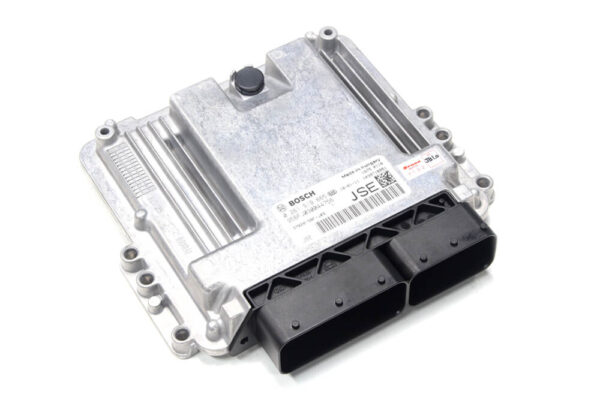
Your van's engine control unit, usually called the ECU, runs the engine using a factory calibration. It manages key parameters including fuel delivery, boost pressure, torque limits, throttle response and, on many modern diesels, several emissions-control strategies.
A remap carefully adjusts the relevant maps within that software. It is not a bolt-on box guessing at sensor signals. A properly developed ECU file works with the vehicle's own control systems, allowing the engine to deliver more usable torque and power within sensible operating limits.
Factory software has to suit a huge range of conditions. Manufacturers must account for different fuel quality, climates, markets, driving styles and service schedules. They also commonly use the same engine in several models or power outputs. This leaves scope to improve how a van responds and performs, especially where the engine is mechanically healthy.
The biggest change most drivers notice is torque. Rather than constantly changing down for gradients or waiting for the van to gather speed, it pulls more cleanly through the mid-range. That matters far more in daily use than a headline BHP figure.
Why van owners choose an ECU remap
A performance remap is often the right choice for owners who tow, carry tools, run a loaded van or simply want safer overtaking performance. More torque at lower and middle engine speeds means less effort is required to make progress. It can also reduce the need to work the engine hard in lower gears.
Fuel economy remapping is aimed at drivers covering regular mileage where operating costs matter. By improving torque delivery and drivability, the van may hold higher gears more easily and need less throttle for routine acceleration. The result depends heavily on route, payload, traffic, tyre pressures and driving style. A remap cannot cancel out stop-start city work, excessive idling or a permanently overloaded vehicle, but it can make efficient driving easier.
There is also a practical reason to tune. Some vans feel deliberately restricted from the factory, particularly entry-level power versions sharing an engine with higher-output models. A sensible calibration can make the vehicle feel closer to how it should have left the factory.
Van remapping complete guide: suitability comes first
No honest tuner should treat every van as ready for software. A remap enhances a sound vehicle; it does not repair worn components or hide fault codes.
Before tuning, proper diagnostics should check for stored and pending faults, sensor readings, boost control issues and any signs that the engine is not operating as intended. On diesel vans, attention should also go to the turbocharger, injectors, intake system, clutch or gearbox, DPF condition and EGR operation. A smoke issue, boost leak or recurring warning light needs resolving first.
Mileage alone does not rule a vehicle out. A well-maintained high-mileage van can be a better candidate than a neglected low-mileage example. Service history, oil condition, driving symptoms and diagnostic data tell the more useful story.
Manual vans deserve a realistic conversation about the clutch. Extra torque can expose an already worn clutch, particularly on vehicles used for towing or heavy loads. Automatic gearboxes also have torque limits and service requirements. The calibration must respect the whole drivetrain, not just chase the largest possible figure.
What results should you expect?
Every vehicle is different, so gains should be discussed against the exact registration, engine and ECU fitted to your van. As a general rule, turbo-diesel vans usually respond very well because their factory calibration has meaningful scope for improved torque.
Expect the van to feel sharper from low revs, stronger through the middle of the rev range and more comfortable at normal road speeds. It should remain civilised. A good remap does not need jerky throttle response, clouds of smoke or an aggressive power delivery to feel quick.
Fuel savings are possible, but they are not automatic. If you use the extra torque to accelerate harder at every opportunity, consumption may rise. If you use it to short-shift, maintain momentum and avoid unnecessary throttle input, an improvement is more likely. For a high-mileage working van, that difference can be significant over time.
The difference between a proper remap and a generic file
The quality of the calibration and process matters as much as the claimed gain. A proper remap starts with identifying the correct ECU and reading the original software using genuine, up-to-date equipment. The file is then calibrated for that vehicle, written safely and checked afterwards.
Generic tuning files and cheap plug-in devices can be tempting, but they often take a blunt approach. Some only alter a sensor signal rather than recalibrating the ECU correctly. Others are loaded without meaningful checks on the vehicle beforehand. That is not the standard a working van deserves.
A professional service should preserve a copy of the original software, carry out diagnostics and explain the intended outcome in plain English. Whether you want better towing performance, improved economy or a more responsive unloaded van, the file should match the job the vehicle actually does.
Emissions systems, faults and legal boundaries
Modern diesel vans rely on systems such as the DPF, EGR and AdBlue SCR setup to meet emissions requirements. When one develops a fault, the warning lights, reduced-power mode and repeated repair visits can be frustrating. However, deleting or disabling emissions-control equipment on a road-going vehicle is not legal for public-road use in the UK and can cause MOT, insurance and enforcement issues.
Specialist DPF, EGR and AdBlue software solutions may be supplied for genuine off-road, competition or export use only, where lawful. That boundary is clear: a vehicle used on public roads must retain the emissions equipment required for its road use.
The sensible first step for a road van is diagnosis. A blocked DPF may be linked to failed sensors, unsuitable driving patterns, injector issues, thermostat faults or an underlying boost problem. Replacing parts without identifying the cause often leads to the same fault returning.
Insurance, warranty and servicing
Tell your insurer about an ECU remap. It is a vehicle modification, and failing to declare it can put cover at risk. Some insurers are entirely comfortable with professionally modified vehicles, while others have different terms, so check before proceeding rather than assuming.
Manufacturer warranties can also be affected by software changes. If the van is still covered, consider the potential implications carefully. A reputable tuner can retain the original file, but restoring factory software does not erase a vehicle's history or guarantee a warranty decision.
Continue servicing the van properly after remapping. Use the correct oil specification, deal with warning lights promptly and do not stretch service intervals because the vehicle feels stronger. A remap rewards good maintenance; it does not replace it.
Choosing the right remapping workshop
Look for a workshop that talks about diagnostics and suitability before figures. You want clear answers on the equipment used, how the original file is handled, what checks are made and whether the tune is appropriate for your van's use.
It is also worth choosing a specialist that understands commercial vehicles. A camper conversion, a lightly loaded panel van and a heavily worked trades van have different demands. Swansea Remaps uses genuine hardware, current software and in-house diagnostic capability to focus on dependable, usable results rather than exaggerated claims.
Ask questions and be specific about how the van works. Mention regular payload, towing, motorway mileage, city routes and any previous faults. The more accurate the brief, the better the outcome.
A well-chosen remap should make your van feel more capable every day, not merely faster for the first five minutes. Start with the vehicle's condition, be honest about how it is used and choose a calibration built for useful torque, controlled delivery and long-term drivability.
Results, compatibility and suitable options vary by vehicle, software version, mechanical condition and existing modifications. Always confirm the correct route for your own vehicle before work is carried out.