Fuel spend is where most van owners feel the pinch first. If your van is covering long motorway runs, stop-start town work or carrying tools and stock every day, van remapping for mpg can look like a smart way to cut costs without replacing the vehicle.
The key point is simple. A well-written economy remap can improve fuel efficiency, but it is not magic and it is not the same as every other file on the market. Results depend on the engine, the condition of the van, the way it is driven and whether the calibration is built properly around real-world use rather than headline claims.
What van remapping for mpg actually changes
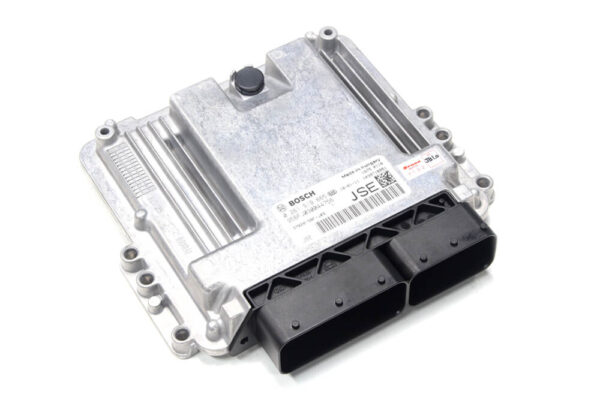
Modern vans run through the ECU, which controls fuelling, boost pressure, throttle response and torque delivery. From factory, manufacturers often leave a margin in the calibration. That is partly to cover different markets, fuel quality, emissions targets, payload expectations and servicing habits.
An economy-focused remap adjusts those parameters to help the engine produce its torque more efficiently. In practice, that usually means stronger pulling power lower down the rev range, less need to work the engine hard and fewer situations where you are pressing on just to keep pace. When a van can make better use of its torque, it often needs fewer gear changes and less throttle input to do the same job.
That is why mpg gains are often tied to drivability. The van feels less strained, more responsive and easier to move along, especially when loaded. Better economy is rarely about making the vehicle slower or duller. Usually, it comes from making the engine work smarter.
Does van remapping for mpg always save fuel?
No, and any tuning company claiming guaranteed savings on every van is overselling it.
In many cases, yes, owners do see worthwhile improvements. This is especially common on diesel vans that spend a lot of time cruising, carrying moderate loads or covering repeated delivery routes. A stronger torque curve lets the engine settle into its work with less effort, which can reduce fuel use over time.
But there are trade-offs. If the extra torque encourages harder driving, the savings can disappear. If the van has underlying issues such as a tired turbo, sticking EGR valve, blocked intake, injector imbalance or DPF trouble, remapping will not fix poor mechanical health. If the vehicle only does very short trips from cold, any mpg improvement may be limited because the operating pattern itself is inefficient.
So yes, van remapping for mpg can work very well. It just works best when the van is healthy and the expectations are realistic.
Where the biggest mpg gains usually come from
The best results tend to come from vans that are doing honest working miles. A diesel Transit, Vivaro, Transporter or Sprinter that spends its week moving between jobs can often benefit more than a lightly used van that only nips around town.
Why? Because steady use gives the remap room to deliver. On A-roads and motorways, a van with improved torque can hold speed with less throttle. Under load, it can pull more cleanly without constant downshifts. Over a month of regular driving, that can make a visible difference to fuel bills.
There is also a practical point here for tradespeople and fleets. Even a modest mpg improvement starts to matter when the van is on the road every day. One or two mpg may not sound dramatic on paper, but over a year of commercial use it can turn into meaningful savings.
Economy remap or performance remap?
This is where people often get the wrong idea. They assume an economy remap means sacrificing performance, or that a performance remap always uses more fuel. In reality, there is overlap.
A properly calibrated remap can improve both torque and economy because the same underlying change - more efficient torque delivery - helps in both areas. If the engine produces stronger mid-range pull, you can drive with less effort. That supports mpg. It also makes the van feel more capable.
The difference is in the priority of the file. An economy remap is usually written to favour usable low-down response, smooth part-throttle behaviour and efficient daily driving. A more aggressive performance file may still return decent economy when driven sensibly, but it is less focused on fuel saving as the main target.
For a working van, the best option is usually the one that matches how it earns its keep. If lower running costs matter most, the file should be built around that from the start.
Why the quality of the remap matters
Not all remaps are equal, and this is where many of the horror stories start.
A cheap generic file may promise mpg gains, but if it is not matched properly to the vehicle, software version and operating condition, it can create more problems than it solves. Poorly written maps can lead to rough running, smoke, flat spots, clutch stress or unreliable results. That is not tuning done properly. That is guesswork.
A proper remap starts with diagnostics and a clear look at the vehicle. If fault codes are present, they need dealing with. If the van has an existing issue affecting fuelling or airflow, that has to be recognised before calibration changes are made. Genuine, up-to-date tools matter because accurate reading, writing and checking of the ECU file is part of doing the job safely.
That is the difference between chasing a quick sale and delivering dependable gains. At Swansea Remaps, the focus is on measurable improvements built on workshop-level capability, not generic claims.
What affects your real-world mpg after a remap
Even with a good calibration, your right foot still has a vote.
Driving style is the biggest factor. If you use the extra torque to accelerate harder at every opportunity, fuel use will climb. If you use that torque to stay in the higher gears for longer and keep the van moving smoothly, that is where the savings tend to appear.
Payload matters too. A van carrying heavy tools, stock or equipment all week will naturally return lower mpg than the same van running light. Tyre pressures, alignment, service history and brake drag also play a part. So do route type and idle time. A remap can improve efficiency, but it cannot cancel out poor maintenance or punishing usage.
This is why honest advice matters. The best tuning result is not the biggest claim. It is the one that suits the van, the driver and the job.
Is it safe for a working van?
If the van is in good condition and the remap is written sensibly, yes. In fact, many owners find the van easier to drive afterwards because the engine is not being worked as hard to get moving or carry load.
That said, it depends on the condition of components already under strain. If a clutch is near the end of its life, extra torque may expose that weakness sooner. The same applies to existing faults that have been ignored. Remapping does not create worn parts, but it can reveal them.
This is another reason proper pre-checks matter. A professional tuning workshop should be looking at the whole picture, not just plugging in and flashing a file.
Is van remapping for mpg worth it?
For many UK van owners, yes. If your vehicle does regular mileage, feels flat under load or seems to be working harder than it should, an economy-focused remap can be a cost-effective way to improve both drivability and fuel use.
It is especially attractive when replacing the van is not on the table. A good remap can make a familiar vehicle feel stronger, smoother and cheaper to run day to day. For sole traders, couriers and small fleets, that combination matters more than brochure figures ever will.
The main thing is to treat it as a vehicle-specific service, not a one-size-fits-all product. Ask how the file is built. Ask whether diagnostics are carried out first. Ask what gains are realistic for your exact van. Straight answers are usually a good sign.
If your van is healthy and your mileage is consistent, van remapping for mpg can be one of the more practical upgrades you make - not because it promises miracles, but because it improves the way the van works where it counts: on the road, under load and on your monthly fuel bill.
A good remap should earn its place every time you fill up, not just on the day it is installed.
Results, compatibility and suitable options vary by vehicle, software version, mechanical condition and existing modifications. Always confirm the correct route for your own vehicle before work is carried out.