Press the accelerator and wait half a beat for the car to react, and you notice it every single day. That slight hesitation when pulling into traffic, overtaking on an A-road or moving a loaded van away from a roundabout is exactly why many drivers ask about a remap for better throttle response. They are not always chasing headline power figures. Often, they just want the vehicle to feel sharper, cleaner and more willing.
Throttle response is one of the biggest factors in how a car feels from the driver’s seat. You can have decent power on paper, but if the engine delivery is lazy at low revs or the pedal mapping is dull, the vehicle can still feel flat. A well-written ECU remap can change that. Done properly, it improves the relationship between your right foot and the engine so the car responds with less delay and better urgency.
What a remap for better throttle response actually changes
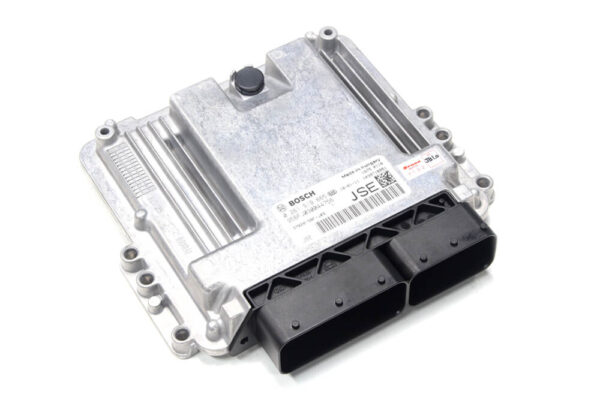
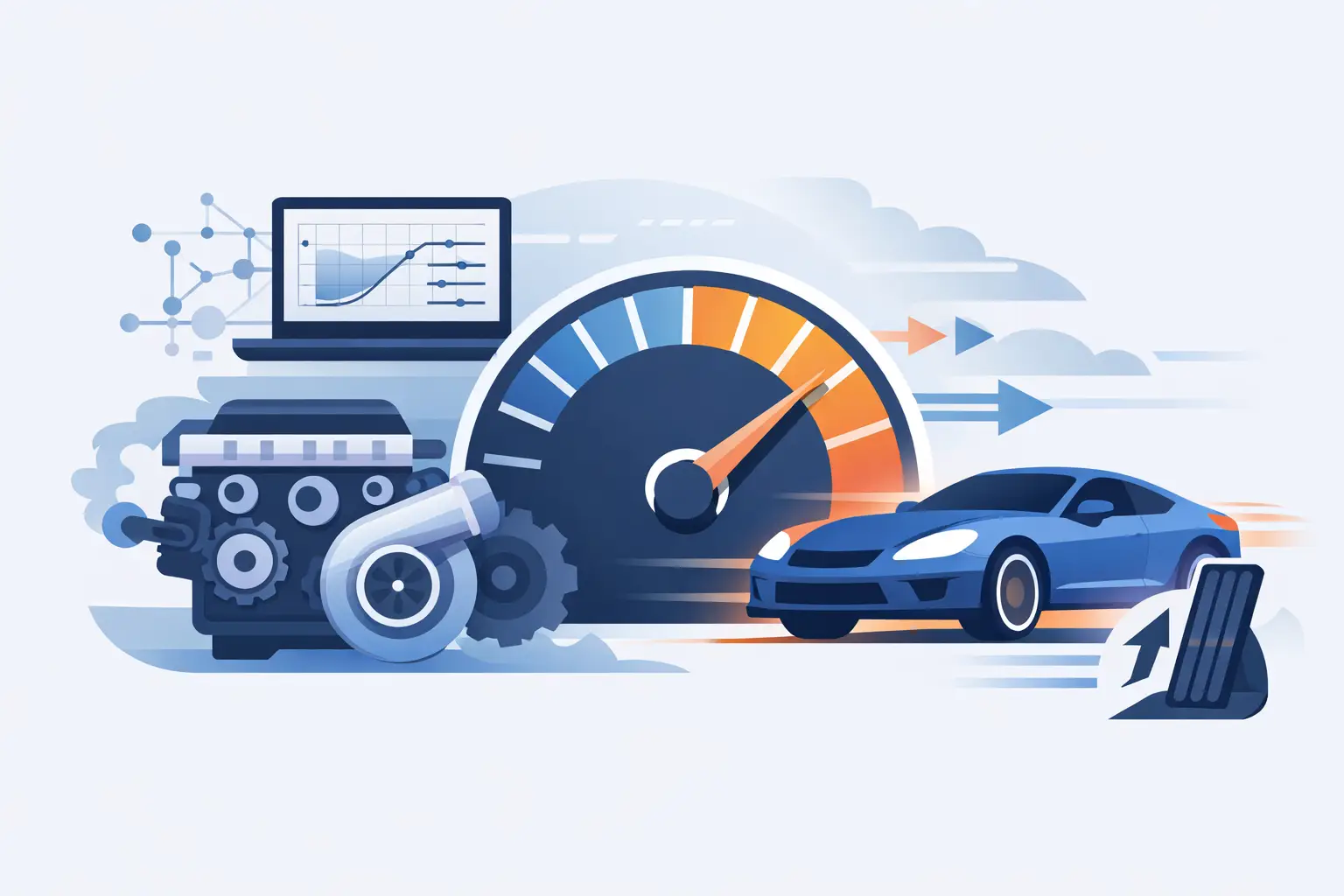
On modern vehicles, the accelerator pedal is not directly opening a throttle cable in the old-fashioned sense. The pedal is sending a signal to the ECU, and the ECU decides how the engine should respond. That means throttle sensitivity, torque request, fuelling, boost control and torque limiters can all influence how quickly the vehicle reacts.
This is where remapping makes a real difference. Rather than adding a crude spike in pedal sensitivity, a proper calibration adjusts the engine management strategy in a controlled way. Depending on the vehicle, that may mean refining pedal maps, improving low-down torque delivery, reducing flat spots and smoothing the transition through the rev range.
The result is usually a car or van that feels more alert without becoming jerky. That matters because sharper is not the same as aggressive. Most drivers want better drivability, not a vehicle that becomes awkward in traffic or difficult to modulate in wet conditions.
Why some vehicles feel slow to react
Manufacturers do not always calibrate throttle response for keen driving. They build maps around emissions targets, fuel economy test cycles, model hierarchy and broad-market usability. In plain terms, many vehicles leave the factory with response that is intentionally softened.
That is especially common on turbo diesel cars and vans, where there can be a noticeable delay before the torque comes in. It also shows up on some petrol turbo models, where the engine is capable of much more urgency than the standard software allows.
In work vehicles, the issue is often more obvious. Add tools, materials or passengers, and that factory dullness becomes more frustrating. The engine may still be healthy, but the software calibration makes it feel less responsive than it should.
The difference between more power and better response
These two are linked, but they are not the same thing. More power is the overall increase in engine output. Better throttle response is about how quickly and cleanly the vehicle reacts when you ask for performance.
A remap can improve both, but response is often what drivers notice first. You feel it when pulling away, changing pace mid-gear or accelerating from low revs without needing to drop a gear as often. That is why many customers report that the car feels lighter or easier to drive after tuning, even before they talk about bhp or torque figures.
For daily driving, that can be more useful than outright top-end gains. Better response makes the vehicle feel more settled and more predictable. You spend less time waiting for it to wake up.
What to expect from a remap for better throttle response
The best improvements are felt in normal use. Pulling out of junctions becomes cleaner. Overtakes need less planning. Hills and loaded conditions feel less laboured. In an automatic, gear changes can feel better matched to the engine’s torque delivery. In a manual, the vehicle often feels easier to place on the road because the engine responds more naturally to small pedal inputs.
That said, results depend on the vehicle, the engine, the condition of the car and the quality of the file. A healthy turbo diesel usually responds very well because there is often safe and usable torque available that the standard calibration is not making the most of. Some naturally aspirated petrol engines may show a smaller change because there is less reserve performance to work with.
This is why proper diagnostics matter before any tuning work starts. If the vehicle already has boost leaks, airflow faults, EGR issues, tired sensors or DPF-related problems, a remap is not the first fix. Good tuning should build on a mechanically sound vehicle, not try to mask faults.
Why a generic file is not the same as a proper calibration
There is a big difference between a quick file flash and a remap built around real diagnostics and current software tools. Anyone can promise a sharper pedal. The real question is whether the calibration improves the car in a balanced, dependable way.
Poorly written files often create artificial sensitivity at the start of the pedal travel. That can make the car feel fast for five minutes, but it does not mean the engine is delivering torque cleanly or safely. In some cases, it just makes the vehicle snatchy around town and unpleasant to drive.
A proper remap considers the full picture - torque control, boost targets, fuelling, smoke limitation where relevant, gearbox behaviour and the operating limits of the engine. The aim is not to make the pedal feel dramatic. It is to make the vehicle respond properly.
That is where workshop capability counts. Up-to-date genuine hardware, software and diagnostics are not just nice extras. They are what help produce a calibration that performs well on the road and remains dependable over time.
Is better throttle response always the right goal?
Usually, yes, but there are trade-offs. If you want a very sharp setup for enthusiastic driving, the map can be calibrated to feel more immediate. For some drivers, that is exactly right. For others, especially those covering a lot of motorway miles or using the vehicle for work, a smoother and more progressive setup is the better option.
There is also the question of traction. More immediate torque delivery can expose weak tyres, poor road surfaces or front-wheel-drive limitations in bad weather. A well-set-up remap should improve urgency without making the vehicle harder to control.
Insurance is another practical point. Any performance-related modification should be declared. That is just part of doing the job properly. The best outcome is not only a better-driving vehicle, but one that is tuned responsibly.
Which vehicles benefit most?
Turbo diesel cars, vans and commercial vehicles are often the strongest candidates. They tend to have conservative factory calibrations and clear gains in low-down torque, which directly improves response. That is useful for everyday motorists, but it is especially valuable for tradespeople and fleet users who carry weight and need cleaner pull-away performance.
Turbo petrol models also benefit, particularly where the standard map has obvious dead spots or lazy mid-range delivery. The improvement can make the car feel much more eager without changing its character for the worse.
Higher-mileage vehicles can still respond well too, provided they are in good health. Mileage alone is not the deciding factor. Maintenance history, diagnostics and overall mechanical condition matter more.
What a good tuning process should look like
A serious tuning workshop should start by checking the vehicle properly. That means reading for fault codes, assessing engine health and making sure there are no underlying issues that will compromise the result. From there, the original file can be read, modified with the right software strategy and written back with care.
The process should be measured, not rushed. If a customer wants a remap for better throttle response, the target is not simply more aggression. It is better drivability. The file should reflect how the vehicle is actually used, whether that means commuting, towing, business mileage or fast-road driving.
That is the difference between chasing numbers and delivering a better vehicle. At Swansea Remaps, that practical approach is what matters. The end result needs to work in the real world, not just sound good in a sales pitch.
If your vehicle feels hesitant, flat or slow to react, software calibration may be reason. The right remap can make it feel sharper, cleaner and far more usable every day - and that is often the improvement drivers notice most the moment they leave the workshop.
Results, compatibility and suitable options vary by vehicle, software version, mechanical condition and existing modifications. Always confirm the correct route for your own vehicle before work is carried out.