If your car feels flat in the mid-range, your van struggles when loaded, or your fuel bills seem higher than they should be, the question usually comes next - what does an ECU remap do, and is it actually worth it? In simple terms, an ECU remap changes the software settings that control how your engine runs. Done properly, it can deliver more power, more torque, better throttle response, smoother drivability and, in some cases, improved fuel economy.
That sounds straightforward, but the real answer is more useful than that. A remap is not a magic button. It is a calibration change to the engine management system, and the results depend on the vehicle, the engine, its condition and what you want from it.
What does an ECU remap do in practice?
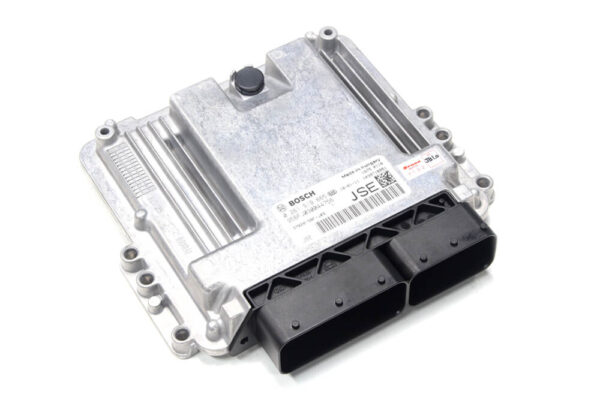
Your ECU, or engine control unit, manages key settings such as fuel delivery, ignition timing, turbo boost pressure, torque limits and throttle behaviour. Manufacturers leave a margin in many factory maps for emissions targets, global fuel quality, climate variation, servicing tolerance and model-range standardisation. A remap adjusts selected parameters within safe working limits to get more from the engine.
In practice, that usually means the vehicle responds better when you press the accelerator. Turbocharged engines often gain the most because boost and fuelling can be recalibrated more noticeably. You may feel stronger pulling power from lower revs, less hesitation and a more usable power band. On a diesel car or van, that often translates into easier overtaking and less need to change gear. On a petrol turbo car, it can mean sharper acceleration and a more eager feel through the rev range.
For many owners, the biggest change is not top-speed performance. It is everyday drivability. A vehicle that used to feel strained can become smoother, more flexible and easier to drive in normal road conditions.
How an ECU remap changes power and torque
When people ask what does an ECU remap do, they are usually asking about performance. That is fair enough. A well-written performance remap can increase BHP and torque by revising the factory calibration so the engine uses its available hardware more effectively.
Torque is often the figure drivers notice first. More torque lower down the rev range helps a heavy van move off more cleanly, makes towing less hard work and gives better in-gear acceleration. That is why remapping appeals not just to enthusiasts, but also to tradespeople, fleet users and anyone who spends a lot of time on UK roads carrying tools or passengers.
Power gains vary. A naturally aspirated engine will usually see modest improvement, because there is less adjustment headroom without forced induction. A turbo diesel or turbo petrol engine often offers far more scope. That does not mean every vehicle should be pushed to the limit. Sensible tuning is about usable gains and reliability, not headline figures alone.
Why factory settings are often conservative
Manufacturers are building cars for thousands of different operating conditions. The same engine might be sold across several countries, in different states of tune, with varying fuel quality, climates and maintenance standards. They also need to meet emissions regulations, protect components and create separation between model variants.
That is why one engine can feel capable of more than the badge suggests. A remap works by refining the calibration for a more specific use case, rather than that broad factory compromise.
Can an ECU remap improve fuel economy?
Yes, but only in the right circumstances.
A fuel economy remap usually aims to improve efficiency by increasing low-down torque and making the engine work less hard in everyday driving. If the vehicle pulls better in a higher gear and needs less throttle input to maintain speed, fuel use can improve. This is especially relevant for diesel cars, vans and motorway-driven vehicles.
The catch is obvious. If you use the extra performance all the time, fuel economy may stay the same or even drop. A remap gives the engine a different operating strategy, but the driver still has the final say. Gentle driving with improved torque can reduce consumption. Aggressive driving with more available power usually will not.
For business users and high-mileage drivers, this matters. Better economy is rarely about chasing the biggest number on paper. It is about making the vehicle more efficient and less laboured in real conditions.
What does an ECU remap do for drivability?
This is the part many drivers do not expect until they try it.
A good remap can smooth out flat spots, reduce lag, improve throttle calibration and make power delivery feel more progressive. That means the vehicle may feel less jerky in traffic, more settled when pulling away and more confident when accelerating from low revs.
On manual vehicles, stronger low-end torque can make the car easier to drive without constant gear changes. On automatics, the gearbox often works better when the engine delivers torque more cleanly through the range. For vans used in stop-start work or carrying weight, that can make a genuine day-to-day difference.
This is why quality matters. Poor tuning can make a vehicle feel abrupt, smoky, over-fuelled or inconsistent. Proper calibration should feel sharper, but also more refined.
Is every remap the same?
No, and this is where buyers need to be careful.
There is a major difference between a generic file and a properly assessed calibration backed by diagnostics and suitable equipment. Before any tuning, the vehicle should be checked for underlying faults. If there are existing issues with boost control, injectors, sensors, DPF operation or other engine-management systems, a remap will not fix neglect. In some cases, it can expose weak points faster.
That is why workshop capability matters. Up-to-date genuine hardware, current software and proper diagnostic checks are not extras. They are part of doing the job properly. The right approach is to understand the vehicle first, then calibrate it according to its engine, use case and condition.
What affects the result?
The outcome depends on several things: engine type, turbo setup, transmission, mileage, service history and what the owner wants from the vehicle. A family diesel used for commuting needs a different strategy from a hot hatch chasing stronger acceleration. A work van used for payload and economy needs a different setup again.
Remapping is not one-size-fits-all, even when two vehicles share the same engine.
Trade-offs and things to consider
The best tuning advice is honest. More performance can increase stress on components if the vehicle is already worn or poorly maintained. Clutches, gearboxes and turbos all have limits. A healthy vehicle with a sensible remap is one thing. A tired high-mileage vehicle with existing faults is another.
Insurance is another practical point. Any modification, including ECU remapping, should be declared to your insurer. Skipping that step is a false economy.
There is also the legal side. Performance and economy remaps are common road-going services, but some engine-management and emissions-related modifications are restricted to off-road or motorsport use only. That line needs to be clear, and any reputable specialist should be upfront about it.
Who benefits most from a remap?
Drivers who cover serious mileage often see the value quickly. A van that pulls better and uses less fuel under load is not about bragging rights. It is about making the vehicle earn its keep more efficiently. The same applies to fleet users and tradespeople who want stronger real-world performance without main dealer costs.
Enthusiasts benefit too, especially where the factory map leaves obvious performance on the table. But even then, the smartest remaps are not just about peak output. They make the car feel more complete.
For everyday motorists, the appeal is usually simpler. They want the vehicle to drive better, respond faster and stop feeling like it is working against them.
So, what does an ECU remap do if it is done properly?
It recalibrates the engine management software to improve the way the vehicle performs on the road. That can mean more BHP, more torque, sharper response, smoother delivery and better economy, depending on the vehicle and the goal. It can also make a tired-feeling car or van feel far more capable without changing any major hardware.
The key is doing it with the right diagnostics, the right tools and the right expectations. At Swansea Remaps, that is the difference between chasing numbers and delivering a result you can actually feel every time you drive.
If you are considering a remap, think less about hype and more about what you want the vehicle to do better. Usually, that is where the real value starts.
Results, compatibility and suitable options vary by vehicle, software version, mechanical condition and existing modifications. Always confirm the correct route for your own vehicle before work is carried out.