A good performance remap review should not begin with a headline BHP figure. It should begin with how the vehicle actually feels when it matters: pulling onto a fast A-road, overtaking with a loaded van, climbing a hill in the right gear, or towing without constantly working the gearbox. More power is valuable, but usable torque, smoother delivery and confidence behind the wheel are what most drivers notice every day.
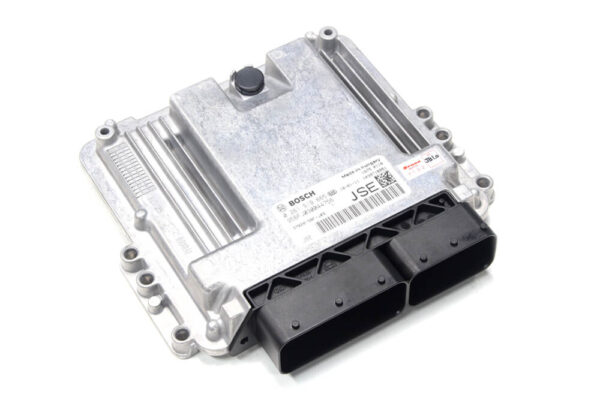
An ECU remap can make a major difference to the way a petrol or diesel vehicle drives. It can also expose problems that were already developing. That is why the best result comes from a sensible calibration, proper diagnostics and an honest assessment of the vehicle before any file is written.
What a performance remap should improve
Modern engines are often supplied with conservative factory calibration. Manufacturers have to account for different fuel qualities, climates, markets, service schedules and model ranges. In many cases, the same engine hardware is used across several power outputs. A professionally developed remap adjusts the engine management calibration within sensible limits to make better use of the available potential.
For most owners, the biggest improvement is torque. Rather than needing to rev the engine hard or change down early, the vehicle pulls more strongly through the middle of the rev range. This makes everyday driving easier. A family car can feel more responsive joining dual carriageways, while a work van can carry tools or equipment with less effort.
A well-set-up remap should also improve throttle response and remove the flat spots that make some factory-calibrated cars feel hesitant. The aim is not simply to make the vehicle feel aggressive. It is to give the driver a cleaner, more predictable response when they ask for acceleration.
Peak power still matters, particularly to enthusiasts, but it is only one part of the picture. A sharp power figure with an awkward torque spike can make a vehicle less pleasant to drive and put unnecessary strain on components. Smooth, controlled delivery is usually the better outcome.
Performance remap review: gains need context
When reading any performance remap review, look beyond claims of maximum BHP and torque. The relevant question is whether the result suits the exact engine, gearbox, mileage and intended use of the vehicle. A remap for a lightly used petrol hatchback will have different priorities from one for a high-mileage diesel van used across South Wales every week.
The condition of the vehicle is just as important as its specification. A healthy engine with no active faults, good servicing history and sound supporting components is the right starting point. If there are warning lights, boost leaks, injector issues, clutch slip, DPF faults or poor live data readings, adding performance before resolving them is the wrong order of work.
This is where workshop-level diagnostics earn their place. Reading fault codes is only the start. Live data can help identify problems with boost pressure, air flow, fuelling, exhaust temperatures and sensor operation. The difference between a proper service and a generic file loaded without checks can be the difference between a strong result and an avoidable repair.
At Swansea Remaps, the focus is on using up-to-date genuine hardware, software and diagnostics to establish that foundation before tuning. It is a practical approach: assess the vehicle, calibrate it appropriately and make sure the result matches what the owner needs from it.
Why advertised figures are not a guarantee
Every vehicle responds differently. Mileage, maintenance, fuel quality, previous work and manufacturing tolerances all affect the final outcome. Two seemingly identical cars can produce different results, particularly if one has ageing sensors, a restricted intake system or a worn clutch.
A reliable tuner should be clear about this. Realistic gains are more useful than exaggerated promises, and a sensible remap should retain the vehicle's normal drivability. If the car becomes jerky in traffic, smokes excessively or constantly triggers faults, the calibration or the underlying condition needs attention.
The trade-offs drivers should understand
A performance remap is not a free upgrade with no responsibilities. More torque can place extra demand on the clutch, dual-mass flywheel, gearbox, tyres and brakes, especially on vehicles that already have considerable mileage. A remap does not automatically damage these parts, but it can reveal wear that standard power was masking.
Manual diesel vehicles deserve particular attention. If a clutch is already close to its limit, the increased mid-range torque may cause it to slip under load. Automatic vehicles also need the correct approach, with engine torque managed appropriately for the transmission. The goal should be dependable performance, not a calibration that chases a figure at the expense of the drivetrain.
Fuel economy is another area where expectations need to be realistic. A performance remap can support better economy when the extra torque allows earlier gear changes and less throttle input. This is especially relevant for motorists covering regular motorway miles or vans carrying moderate loads. But if the driver uses the additional performance at every opportunity, fuel use will rise. The map changes the potential; driving style still decides much of the result.
Insurance must also be considered. A remap is a modification and should be declared to the insurer. Failing to do so can create problems if a claim is made. It is also sensible to keep servicing on schedule, use the correct oil specification and address warning lights rather than ignoring them.
Questions worth asking before booking
The right workshop will welcome direct questions. Ask whether diagnostics are carried out before tuning, whether the calibration is appropriate for your exact ECU and whether the vehicle has any known weak points. If you use the vehicle for towing, trade work, school runs or long-distance commuting, say so. That information helps shape the right result.
It is also worth discussing the vehicle's current behaviour. Mention smoke, reduced power messages, difficult starting, clutch slip, poor economy or recurring engine-management lights. These are not details to hide in the hope that a remap will cure them. Some issues can be resolved through diagnosis and repair, while others need to be addressed before performance tuning is considered.
For drivers considering emissions-related work, the legal boundary must be clear. DPF, EGR and AdBlue modifications are for off-road use only where applicable. A road-going vehicle must remain compliant with the relevant UK laws and MOT requirements. A no-nonsense specialist will explain that position clearly rather than suggesting otherwise.
What a strong result feels like on the road
The best remaps often feel less dramatic than people expect in the first few minutes, because they feel natural. The car simply responds sooner, pulls harder and needs less effort. You may find yourself changing gear less often, making cleaner overtakes and driving with a lighter throttle.
For a van owner, that may mean better progress when loaded and less frustration on hills. For an enthusiast, it may mean a more eager engine that delivers power cleanly through the rev range. For a commuter, it may mean the vehicle feels less laboured without losing the manners needed in stop-start traffic.
That is the real test of a worthwhile calibration. It should improve the way your vehicle works for you, not turn every journey into a compromise.
Before committing, have an honest conversation about your vehicle's health, your driving and the result you expect. The right remap is the one that gives you stronger, smoother performance you can rely on long after the first test drive.
Results, compatibility and suitable options vary by vehicle, software version, mechanical condition and existing modifications. Always confirm the correct route for your own vehicle before work is carried out.