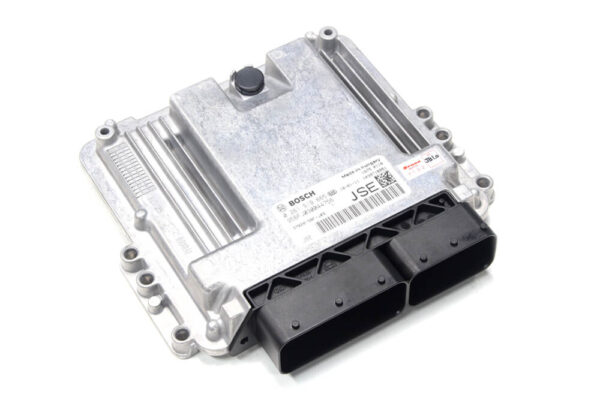
A remap can give a car or van stronger torque, cleaner power delivery and, where the vehicle and driving pattern suit it, better fuel economy. But the calibration is only part of the job. How diagnostic checks support remapping comes down to one simple principle: the ECU can only perform as well as the engine, sensors and supporting systems allow.
A vehicle with a warning light, intermittent fault or a component operating outside its expected range may still drive reasonably well. That does not make it a suitable candidate for tuning. A proper diagnostic assessment identifies issues before the ECU file is altered, helping to protect reliability and ensuring the gains you feel on the road are genuine.
Why diagnostics come before an ECU remap
Modern vehicles rely on dozens of control systems working together. The engine ECU uses live information from sensors monitoring boost pressure, air flow, fuel pressure, exhaust temperature, coolant temperature, crank position and more. It adjusts fuelling, boost and torque delivery around that data.
When one of those readings is wrong, the ECU may limit power, overfuel, underfuel or use a fallback strategy to keep the vehicle running. Adding performance or economy calibration changes without understanding the underlying condition can mask the real problem rather than solve it.
For example, a diesel van that feels flat may have a split boost hose, a sticking turbo actuator or a restricted DPF. A remap is not a repair for any of these faults. In fact, asking a faulty system to deliver more torque can make the symptoms worse. Diagnostics separate a vehicle that needs tuning from one that needs attention first.
This is especially relevant for high-mileage work vans, vehicles used for short urban runs and cars with a history of engine-management warnings. These vehicles often have recoverable issues that are not obvious during a quick test drive.
How diagnostic checks support remapping safely
Diagnostics are not just about plugging in a fault-code reader and seeing whether a dashboard light is on. A workshop-level check combines stored fault codes with live data, system status and practical inspection. The fault code points towards a circuit or operating condition. The live data helps show whether the fault is current, intermittent or caused by another issue.
Fault codes reveal what the ECU has seen
The ECU stores diagnostic trouble codes when a reading or operating condition falls outside its expected limits. Some faults trigger an engine warning light immediately. Others are stored as pending or historic events and may not be visible to the driver.
These stored codes matter before remapping. A boost-control error, rail-pressure deviation or air-mass fault can directly affect how safely and consistently the engine produces power. Codes relating to gearbox communication, clutch position, battery voltage or cooling can also be relevant, depending on the vehicle.
Clearing a code without investigating why it appeared is not a diagnostic process. If it returns, there is a reason. The correct approach is to assess the code alongside freeze-frame information and current readings, then establish whether a repair is needed before the remap goes ahead.
Live data shows the condition under load
An engine can look healthy at idle and still struggle when it is asked to work. Live data allows the technician to compare requested values with actual values while the engine is running. On a turbo diesel, that can include requested and actual boost, fuel-rail pressure, air-mass readings and turbo actuator operation.
If actual boost cannot meet the ECU's request, the cause could be a leak, vacuum issue, sticking actuator, tired turbo or sensor error. If rail pressure is unstable, fuel delivery needs attention. If temperatures are excessive, the engine should not be pushed harder until the reason is understood.
This is where a proper check adds value. It prevents assumptions based on a single symptom and gives a clearer picture of the vehicle’s starting point. For customers, it means the work is based on evidence rather than guesswork.
Sensor accuracy affects every calibration decision
ECU remapping changes the way the ECU requests and manages performance within appropriate operating limits. It does not replace the signals the ECU receives. A contaminated air-flow sensor, failing MAP sensor or inaccurate temperature sensor can distort the ECU’s calculations.
A sensor may not have failed completely. It may simply be responding slowly or reporting values that are plausible but wrong. That is why live data and comparison against expected behaviour matter. Correcting the sensor issue first gives the remap a sound foundation and helps the vehicle deliver smoother, more predictable results.
Emissions-system faults need a clear diagnosis
DPF, EGR and AdBlue systems are common sources of warning lights, limp mode and reduced performance on modern diesel vehicles. The symptoms can be frustrating, particularly for tradespeople or fleet operators who rely on a vehicle every day. However, the fault must be correctly identified before any decision is made about repairs or suitable off-road-only solutions.
A DPF-related warning is not always a blocked filter. The cause can be a failed pressure sensor, incorrect exhaust-temperature reading, incomplete regeneration, boost fault or an underlying engine issue creating excessive soot. Replacing parts or changing software without checking the cause can lead to the same problem returning.
Similarly, EGR and AdBlue faults can be linked to wiring, sensors, pumps, injectors, heaters, crystallisation or communication errors. Accurate diagnostics narrow down the cause, preventing unnecessary work and helping to establish the appropriate route forward.
Any modification affecting emissions-control systems is for off-road use only where applicable. Vehicles used on public roads must meet the relevant legal and MOT requirements. Clear boundaries matter because a quick fix is only useful when it is also appropriate for how the vehicle is used.
Diagnostics protect the gains you are paying for
The point of a performance remap is not simply a higher peak BHP figure. Most drivers notice the improvement in usable torque, stronger mid-range pull and reduced need to change down on hills or when overtaking. For economy-focused tuning, the aim is improved efficiency and more relaxed drivability when the vehicle is driven sensibly.
Neither result is dependable if the engine is already compensating for a fault. A weak clutch, slipping transmission or existing turbo issue will not be repaired by ECU calibration. Diagnostics can identify warning signs early, allowing the customer to make an informed decision before more load is introduced.
There is a practical trade-off here. Not every historic fault code means a remap must be cancelled, and not every older vehicle will produce perfect data in every area. The question is whether the fault is active, relevant and likely to affect safe operation or the intended result. A specialist should explain that distinction plainly.
For automatic vehicles, it can also be important to assess gearbox behaviour and torque limits. Extra engine torque must be delivered in a way that respects the condition and capability of the drivetrain. The best remap feels controlled, not artificially aggressive.
The pre-remap process should be transparent
A worthwhile remapping appointment starts with a conversation about the vehicle and how it is used. A daily-driven family car, a towing vehicle, a hard-working Transit-style van and an enthusiast weekend car do not need exactly the same outcome. Mileage, service history, fuel quality, modifications and known symptoms all provide useful context.
The diagnostic stage should then check for engine-management faults and review relevant live data. A visual inspection may be needed where symptoms point to hoses, wiring, fluid condition or intake components. If an issue is found, it should be explained clearly before tuning is considered.
Once the vehicle is confirmed as suitable, the original ECU data can be read and assessed before a tailored file is applied. After programming, further checks help confirm that the vehicle is operating correctly. The road result should match the objective: stronger usable performance, improved response or a more efficient, easier-driving vehicle.
At Swansea Remaps, this approach supports precision tuning rather than generic promises. Genuine, up-to-date diagnostic equipment and in-house workshop capability make it possible to assess the vehicle properly before altering its calibration.
What drivers should mention before booking
Be upfront about warning lights, recent repairs, poor starting, smoke, limp mode, clutch slip, flat spots, excessive fuel use or a recent DPF regeneration issue. Even if the problem seems to have disappeared, it may have left useful information in the ECU.
It also helps to describe when the fault occurs. Does the van lose power under load? Does the warning light appear after motorway driving? Does the car hesitate only when cold? These details can make diagnostics quicker and more accurate.
A remap should build on a healthy vehicle, not ask the calibration to carry a mechanical problem. Get the condition checked first, and the result is far more likely to deliver the dependable power, drivability or economy you actually want.
Results, compatibility and suitable options vary by vehicle, software version, mechanical condition and existing modifications. Always confirm the correct route for your own vehicle before work is carried out.