A car can have a respectable peak BHP figure and still feel flat when pulling out of a junction, joining a dual carriageway or climbing a loaded hill. That is where torque matters. Understanding how performance remaps increase torque explains why a properly tuned vehicle often feels dramatically stronger in everyday driving, not just faster at the top of the rev range.
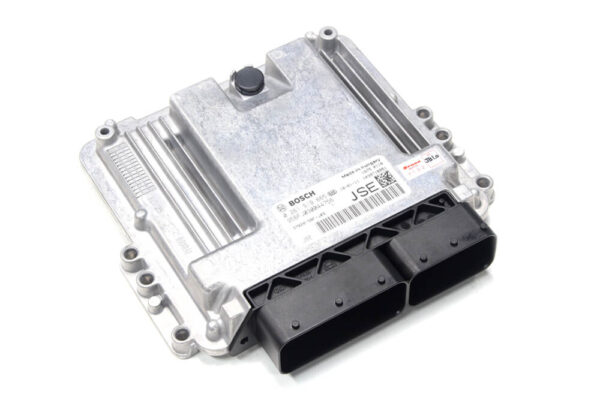
A performance remap changes the calibration inside the engine control unit (ECU). Rather than adding a physical part, it refines how the engine requests and delivers air, fuel, boost and ignition or injection timing. The aim is not simply to chase a headline power number. It is to produce stronger, controlled pulling power where the vehicle uses it most.
What torque actually does on the road
Torque is the twisting force produced by the engine. It is measured in Newton metres (Nm) and, through the gearbox and final drive, becomes the force turning the wheels. More torque at usable engine speeds means less need to work through the gears and less effort required to accelerate under load.
For a daily-driven diesel, van or 4x4, the most noticeable improvement is normally in the mid-range. Press the accelerator in a higher gear and the vehicle responds with more authority. Overtakes take less planning, hills require fewer downshifts and a loaded vehicle feels less strained.
BHP and torque are linked, but they are not the same thing. BHP describes how quickly the engine can deliver work, while torque is the force available at a given engine speed. This is why a remapped diesel with a broad torque curve can feel exceptionally quick in normal driving, even if it is not being revved hard.
How performance remaps increase torque in modern engines
Most modern engines are electronically managed around a torque target. When you press the accelerator, the pedal is not directly opening the throttle or mechanically increasing fuel. It is asking the ECU for a certain level of torque. The ECU then checks numerous maps and safety strategies before deciding what the engine can deliver.
A quality remap carefully recalibrates those requests and limits. Depending on the engine, that can involve boost pressure, fuel quantity, fuel pressure, injection duration, injection timing, throttle control, ignition timing and torque limiters. The exact combination depends on whether the vehicle is turbo diesel, turbo petrol or naturally aspirated.
More air allows more effective fuelling
Turbocharged engines have the greatest remapping potential because the ECU can control boost. Increasing boost within sensible limits puts more oxygen into the cylinders. With enough air available, the engine can burn more fuel efficiently and create more cylinder pressure. More controlled cylinder pressure produces more torque.
That does not mean turning boost up without restraint. Excessive boost can raise intake temperatures, exhaust gas temperatures and stress on the turbocharger. A proper calibration accounts for air temperature, boost control behaviour and the engine's existing hardware limits. It should deliver repeatable performance, not a brief impressive pull followed by heat-related problems.
Fuel delivery is adjusted to match the air
On a diesel engine, increased air must be matched with the right fuelling strategy. The ECU can alter fuel quantity, rail pressure, injection duration and injection timing. Done correctly, this creates a cleaner and more complete combustion event that delivers stronger torque without excessive smoke or unnecessary exhaust temperature.
On a turbo petrol engine, fuelling is equally critical but must be balanced with ignition timing and knock control. More boost can create more torque, yet the calibration must protect against detonation. The ECU's knock sensors, fuel quality requirements and temperature compensations all matter. A safe tune leaves room for real-world conditions, including a hot day, a full load and stop-start traffic.
Torque limiters are often the hidden restriction
Factory ECUs contain multiple torque limiters. They may restrict output by gear, engine speed, intake temperature, coolant temperature or selected driving mode. Manufacturers use these limits to create separation between models, protect drivetrain components and meet emissions, economy and durability targets across a huge range of operating conditions.
A performance remap can revise appropriate limiters so the engine is permitted to deliver the torque it is already capable of producing with calibrated boost and fuelling. This is a major reason a remap can transform the way a vehicle drives. The throttle response becomes more direct, and the engine no longer feels artificially restrained through the middle of the rev range.
Why the torque curve matters more than one peak figure
The best remap is not always the one claiming the biggest peak Nm number. A sharp torque spike at low revs may feel exciting initially, but it can overload the clutch, dual-mass flywheel, gearbox or transfer system. It can also make traction harder to manage, particularly in front-wheel-drive cars on wet UK roads.
A well-developed file builds torque progressively and carries it through the useful rev range. The vehicle should pull cleanly from low revs, respond predictably in the mid-range and continue to accelerate without falling away abruptly. That shape of delivery is often more enjoyable and more usable than a single aggressive surge.
This matters especially for working vehicles. A van carrying tools, a car towing a trailer or a 4x4 used under load benefits from accessible torque, not a calibration that asks the drivetrain to absorb maximum force every time the accelerator is pressed.
The mechanical limits a responsible remap must respect
The ECU can be recalibrated, but the mechanical parts remain the same. Every vehicle has limits, and the condition of the vehicle is as important as the software installed on it.
The clutch is often the first component to reveal a large torque increase. If it is already worn, extra torque may cause slip under heavy acceleration in higher gears. Automatic and DSG gearboxes also have defined torque capacities, with some requiring transmission software calibration or a more conservative engine tune to operate correctly.
Turbocharger health, injector condition, intercooler efficiency, cooling system performance and the state of the intake system all influence what is sensible. A boost leak, tired actuator, blocked air filter or existing fault code should be addressed before tuning. Remapping does not repair a mechanical issue. In some cases, it makes an underlying issue more obvious because the engine is being asked to work harder.
Before any calibration work, proper diagnostics should check for stored faults, live data concerns and signs of poor engine health. This is why workshop capability, genuine diagnostic equipment and current software matter. The file is only one part of a dependable result.
Diesel torque gains and the emissions-system question
Diesel engines are popular remapping candidates because their standard calibration often leaves useful mid-range torque available. However, a healthy emissions system remains part of a correctly operating road vehicle. Problems with DPF loading, EGR performance, sensors or AdBlue systems need accurate diagnosis rather than assumptions.
Excessive fuelling is not a performance upgrade. Black smoke, repeated regeneration issues and warning lights are signs that the vehicle needs attention. A sensible diesel calibration manages air and fuel properly, helping the engine deliver clean, strong torque without creating avoidable stress in the exhaust system.
Any modification must comply with the legal requirements that apply to the vehicle's use. Motorists should also tell their insurer about a remap. It is a straightforward part of modifying a vehicle and avoids problems if a claim is ever needed.
What a driver should feel after a proper remap
The change is usually most obvious from around 1,500 to 3,500 rpm on a turbo diesel, although the usable range varies by engine. The vehicle should require fewer gear changes, pick up more cleanly when already moving and feel more relaxed when carrying passengers or equipment.
On turbo petrol cars, the improvement can include stronger boost response, a fuller middle range and more urgent acceleration as revs rise. Naturally aspirated engines generally see smaller gains because there is no turbo boost to increase, but throttle response and drivability can still improve where the factory calibration is conservative.
Fuel economy can improve for some drivers because the additional torque means less throttle and fewer downshifts are needed to maintain speed. That depends entirely on how the vehicle is driven. Use the extra performance regularly and fuel consumption will rise. Drive in the stronger low-to-mid range with restraint, and the efficiency benefit may be noticeable.
Choose calibration over exaggerated claims
Not every engine, gearbox or vehicle condition suits the same level of tuning. Mileage alone does not decide whether a remap is appropriate, but service history, fault-free operation and realistic expectations do. The right approach starts with identifying the vehicle, checking its health and selecting a file that suits how it is actually used.
For drivers in Swansea and across South Wales, Swansea Remaps approaches performance tuning as a measured engineering job: accurate diagnostics first, current genuine equipment and a torque delivery that works on the road as well as on paper. Stronger acceleration is satisfying, but the real value is a vehicle that pulls harder, drives cleaner and remains dependable every day.
Results, compatibility and suitable options vary by vehicle, software version, mechanical condition and existing modifications. Always confirm the correct route for your own vehicle before work is carried out.