A van that needs fewer downchanges on a loaded run, or a diesel car that holds speed on the motorway with less throttle, can use noticeably less fuel in the real world. That is the point of a proper fuel economy tuning guide: not chasing an optimistic dashboard figure, but making the engine work more efficiently in the conditions you actually drive.
An economy remap can improve torque delivery, throttle response and mid-range pull. Used properly, those gains allow the vehicle to get moving and maintain momentum with less effort. But software is not a magic answer for neglected servicing, dragging brakes or a DPF already under pressure. The best results come from starting with a healthy vehicle, then applying a calibration built around its engine, gearbox and workload.
Fuel economy tuning guide: where savings really come from
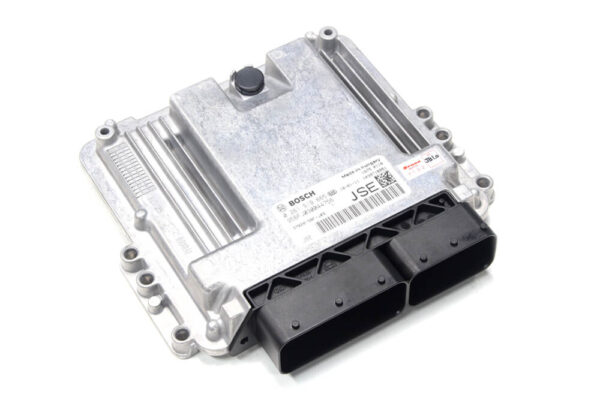
Modern engines are controlled by a complex ECU strategy. It manages fuelling, boost pressure, torque limits, throttle request, injection timing and, on many vehicles, emissions-related systems. Factory software has to cover a huge range of climates, fuel quality, driving styles and markets. It also has to leave room for broad ownership conditions rather than your specific daily route.
A carefully developed economy calibration refines the areas that matter most at normal road speeds and engine loads. The aim is usually stronger usable torque lower in the rev range, a more direct response to throttle input and more efficient fuelling under part load. In practical terms, that can mean fewer unnecessary gear changes, less need to bury the accelerator on hills and a more relaxed drive when the vehicle is loaded.
The saving does not come from simply adding fuel or chasing peak power. In fact, a poor-quality file that overfuels an engine can create smoke, raise exhaust temperatures and cause problems rather than reduce costs. Good tuning works within sensible operating limits and is matched to the engine's condition.
For a tradesperson covering mixed local and motorway miles, the biggest benefit may be the extra low-down torque that keeps a loaded van in a taller gear. For a commuter, it may be smoother cruising and less throttle needed to recover speed after traffic. A car driven hard to enjoy the extra performance will not suddenly become economical. The right foot still has the final say.
Check the vehicle before changing the software
If a warning light is on, a service is overdue or the car feels flat before tuning, deal with that first. ECU calibration cannot repair a split boost hose, worn injector, sticking thermostat or failing sensor. It may mask a symptom temporarily, but it will not remove the underlying fault.
Workshop-grade diagnostics should be part of the process. Fault codes are only the starting point. Live data can reveal whether the engine is reaching the correct temperature, making requested boost, controlling fuelling accurately and completing DPF regenerations as expected. On a diesel, these checks are particularly valuable because a vehicle with an overloaded filter or an air leak can produce poor mpg long before it flags a major dashboard warning.
Tyres, brakes and basic servicing deserve equal attention. Underinflated tyres increase rolling resistance, while a sticking caliper can quietly destroy fuel economy. A blocked air filter, degraded oil or incorrect tyre choice can also reduce the improvement available from tuning. Before judging any mpg result, make sure the vehicle is mechanically sound and compare like-for-like journeys.
The gearbox matters as much as the engine
Manual, automatic and DSG-equipped vehicles can all benefit from improved torque delivery, but the driving outcome is different. A manual van may pull more cleanly from lower revs, making sensible early upshifts easier. An automatic may hold gears less aggressively once the engine can deliver the required torque with less throttle.
That does not mean every vehicle should be driven at the lowest possible rpm. Labouring an engine in too high a gear can increase load and reduce efficiency, especially on inclines or with a trailer. The objective is a usable torque band, not forcing the engine to work below its comfortable operating range.
What a sensible economy remap changes
The most effective fuel economy remaps are tailored around drivability. They tend to focus on torque modelling, boost control, throttle calibration and fuelling strategy through the lower and middle rev ranges where road vehicles spend much of their time.
A stronger mid-range can reduce the burst of fuel often needed to overtake, join a dual carriageway or climb a hill. Smoother throttle mapping can also help drivers avoid the on-off, over-corrected inputs that waste fuel in traffic. These changes should feel natural. If the car becomes jerky, smoky, hesitant or unusually noisy after tuning, that is not a normal economy result.
There is always a balance. More torque can be useful, but it must respect the limits of the clutch, gearbox, turbocharger and cooling system. Vehicles used for towing, regular heavy loads or stop-start delivery work need an especially measured approach. The correct file for a lightly used family hatchback is not automatically the correct file for a working van carrying tools every day.
At Swansea Remaps, the process should be based on genuine, up-to-date tuning equipment and diagnostics rather than generic claims. A proper calibration begins with identifying the vehicle correctly, assessing its condition and selecting an appropriate solution for how it is used.
Measuring mpg without fooling yourself
Fuel economy is easy to misread. A short trip computer average after a gentle motorway run tells you very little, particularly if the vehicle normally does school runs, town traffic or loaded site visits. The most reliable method is to record fuel used and miles covered over several full tanks, ideally across a similar mix of driving.
Reset the trip meter when filling up, refill at the same station if practical, and calculate miles divided by litres before converting to mpg if required. Keep a note of weather, towing, payload and unusually long traffic delays. This is not about turning every fill-up into admin; it is about seeing whether the change is genuine rather than relying on one favourable journey.
Expectations need to be realistic. Motorway-heavy use generally gives the clearest gains because the vehicle spends longer at stable load and speed. Dense urban driving may show a smaller improvement, as cold starts, idling, braking and acceleration dominate fuel use. A clean, healthy diesel doing regular distance runs may respond very differently to a short-trip vehicle that rarely reaches full operating temperature.
Driving habits that protect the gain
Tuning can make efficient driving easier, but it cannot replace it. Build speed positively without holding wide-open throttle for longer than needed, then settle into the highest sensible gear. Look further ahead so you can lift off early rather than brake late. Maintaining momentum uses less fuel than repeatedly accelerating a heavy vehicle back to speed.
Avoid prolonged idling where it is safe and practical to do so. Remove unnecessary weight from the boot or load area, and check tyres regularly when carrying tools, equipment or passengers. Roof bars and roof boxes add drag, particularly at motorway speeds, so remove them when they are not needed.
For diesel owners, regular longer runs can help support normal DPF regeneration where the vehicle's use allows it. Ignoring warning lights or repeatedly stopping an active regeneration is a false economy. Emissions systems fitted for road use must remain compliant with relevant law, and any specialist off-road-only work must be treated exactly as that - off-road-only.
When economy tuning is not the first answer
If fuel use has suddenly worsened, diagnose the change before requesting a remap. A thermostat that leaves the engine running cold, a faulty mass air flow sensor, poor injector performance or a boost leak may be responsible. In those cases, repairing the fault can deliver a larger improvement than software alone.
Likewise, if your driving is almost entirely short, cold journeys, an economy remap may improve response but cannot remove the fuel penalty of never reaching full temperature. It depends on the vehicle, route, load and how it is driven. Honest tuning advice should recognise that rather than promise the same result for every registration.
The useful target is simple: a vehicle that pulls cleanly, cruises with less effort and delivers lower fuel use over the miles that matter. Start with its mechanical health, choose a calibration designed for its actual workload, and measure the outcome over time. That approach gives you an improvement you can feel at the wheel and see at the pump.
Results, compatibility and suitable options vary by vehicle, software version, mechanical condition and existing modifications. Always confirm the correct route for your own vehicle before work is carried out.