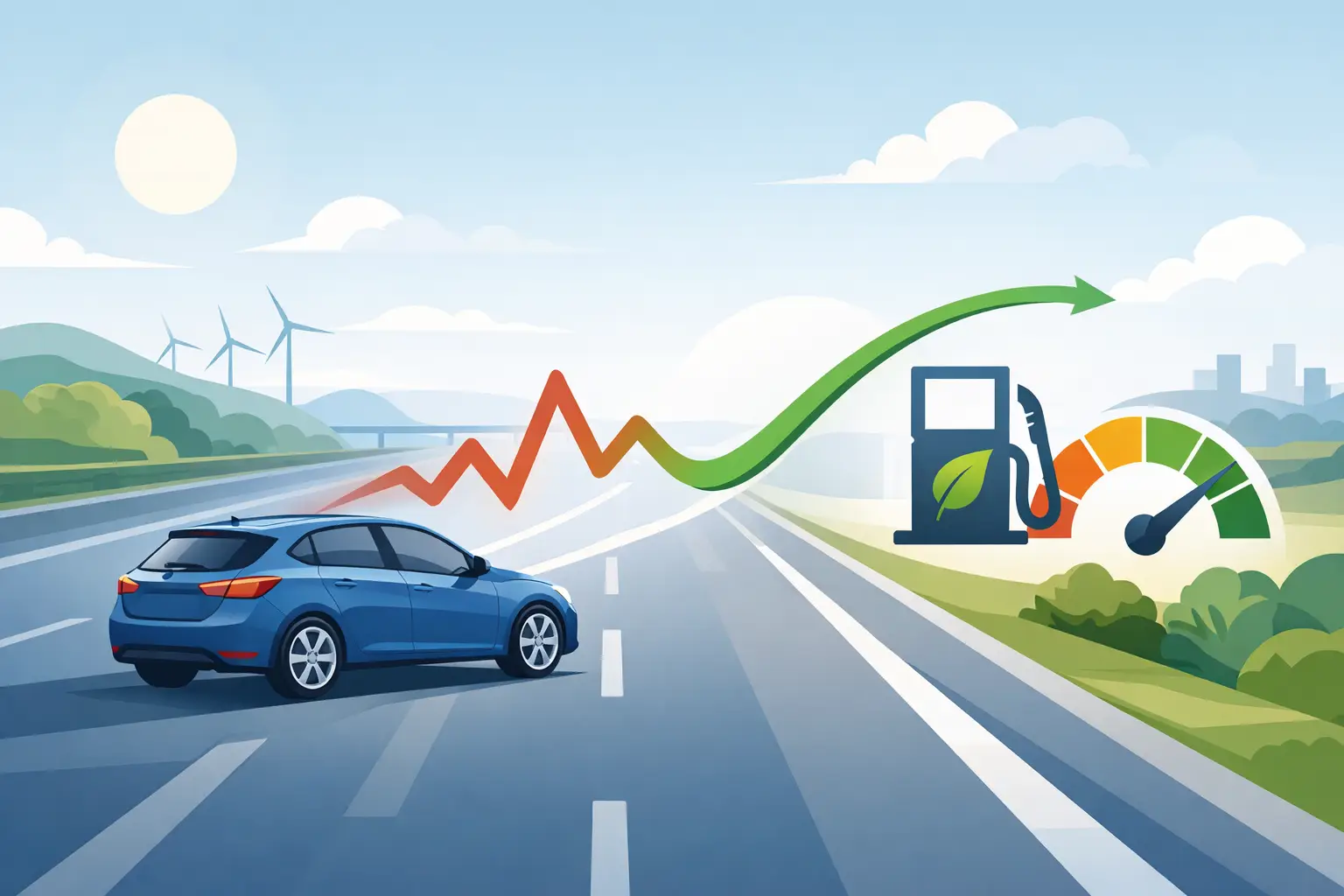
A long motorway run is where many drivers start questioning whether their car is working harder than it needs to. So, can remapping improve motorway MPG? In the right vehicle, with the right calibration and driving style, it can. But a remap is not a magic fuel-saving switch, and genuine results depend on how you use the extra torque it creates.
For drivers covering regular miles on the M4, hauling equipment in a van or commuting between Swansea and further afield, small improvements in fuel consumption can add up. The key is understanding where an ECU remap helps, where it does not, and how to measure the result properly.
Can remapping improve motorway MPG in real driving?
Yes, particularly on modern turbo-diesel vehicles and turbo-petrol engines driven at steady motorway speeds. An economy-focused ECU calibration can improve low and mid-range torque, allowing the engine to maintain speed with less throttle input and fewer downshifts.
On a motorway incline, for example, an unmodified vehicle may need a firmer throttle input or a lower gear to hold 70mph. A well-calibrated remap can provide more usable torque earlier in the rev range. The driver can often stay in a taller gear, use less throttle and avoid pushing the engine into the less efficient part of its power band.
That is why many drivers notice the greatest potential economy benefit during steady-speed journeys rather than short urban trips. Motorway driving gives the engine time to operate at a consistent load and temperature. It also reduces the stop-start losses that dominate fuel use around town.
The word here is potential. If you use the stronger response to accelerate harder, cruise faster or overtake more often, fuel consumption can stay the same or worsen. A remap gives you a better torque reserve. How much of that reserve becomes an MPG gain is down to the vehicle, the file and your right foot.
Why extra torque can reduce fuel use
A standard ECU map is designed to work across a wide range of markets, fuel qualities, climates, driving styles and ownership conditions. It also has to meet manufacturer priorities that may include model positioning, conservative torque limits and component protection margins.
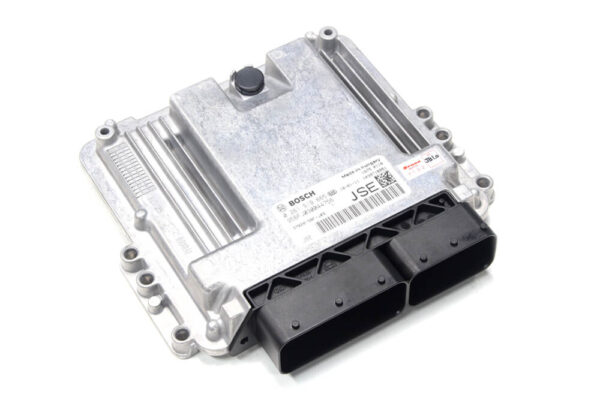
A custom remap adjusts relevant engine-management parameters within sensible limits for the individual vehicle. Depending on the engine, this may include boost control, fuelling, torque request and throttle response. The aim of an economy calibration is not simply to add maximum power. It is to make torque more accessible where normal driving happens.
More low-down torque can make a diesel car, van or pick-up feel less laboured at 50-70mph. Instead of pressing deeply into the accelerator to build momentum, a lighter throttle opening may be enough. Automatic gearboxes can also be less likely to kick down when the engine has stronger mid-range pull.
This matters most for vehicles that carry weight. A loaded work van, a car with passengers and luggage, or a vehicle towing within its legal limits places greater demand on the engine. Better torque delivery can make those jobs easier, although it cannot remove the aerodynamic and weight penalties involved.
The vehicles most likely to benefit
Turbo-diesel engines are often the strongest candidates for improved motorway economy because they naturally produce useful torque at lower revs. Many common diesel cars and commercial vehicles have conservative factory calibration, particularly in the mid-range used for overtaking and cruising.
Turbo-petrol engines can benefit too, though results are usually more variable. Petrol engines tend to show a noticeable improvement in drivability, but the real MPG change depends heavily on boost use, journey type and how eagerly the vehicle is driven.
Naturally aspirated petrol engines generally have less scope. There may be worthwhile improvements in throttle response and power delivery, but expecting a major motorway MPG jump is unrealistic. The same applies to vehicles with mechanical faults, worn tyres, dragging brakes or a blocked air filter. Software cannot compensate for poor mechanical condition.
A proper assessment starts with vehicle diagnostics. Fault codes, boost leaks, fuelling problems, intake restrictions and sensor issues should be identified before any calibration work is carried out. A healthy engine gives a remap the best chance of delivering consistent results.
Manual and automatic vehicles
Manual vehicles often make the economy benefit easy to feel because the driver can select a higher gear earlier and use the added torque to maintain momentum. The temptation is to labour the engine at very low revs, which should be avoided. Better economy comes from choosing an appropriate gear, not forcing the engine to pull hard from too low in the rev range.
Automatic vehicles can be equally effective, especially where the gearbox strategy works well with the revised torque delivery. However, some transmissions have torque limits and protection strategies that must be respected. This is one reason generic, one-size-fits-all files are not the answer. The ECU calibration needs to suit the vehicle and its drivetrain.
What can stop an MPG improvement?
Aerodynamics are the biggest reality check at motorway speeds. Once speed rises, air resistance rises sharply. Driving at 80mph instead of 70mph can use substantially more fuel, regardless of how well the engine is mapped. A remap may make the vehicle reach that speed more easily, but it cannot change the physics.
Tyre pressures, wheel alignment and unnecessary weight matter too. Roof bars, roof boxes, ladder racks and heavy tools all increase fuel demand. For tradespeople, some load is unavoidable, but keeping the vehicle organised and removing equipment that is not needed for the job can make a measurable difference over time.
Regeneration events on diesel vehicles can also affect readings. When a DPF regenerates, the engine may use more fuel. Short journeys that interrupt regeneration can create wider running issues as well as making consumption figures look inconsistent. The correct response is diagnosis and suitable use of the vehicle, not ignoring warning lights or fitting unsuitable software.
Traffic, gradients, wind direction and towing will all move the figure. A single journey is not enough to judge whether a remap has worked.
How to measure motorway MPG properly
The dashboard trip computer is useful, but it is not always perfectly accurate after tuning. The most reliable check is a brim-to-brim calculation over several full tanks and comparable journeys. Record the miles covered, the litres required to refill and the type of driving completed.
Try to compare like with like. If one tank includes a quiet 70mph motorway run and the next includes traffic, towing and several cold starts, the result will tell you very little. Over three or four tanks, a genuine trend becomes easier to spot.
It also helps to watch average speed. Drivers sometimes believe their remap has improved fuel economy when they have simply taken a slower route or driven more smoothly. That is still a positive outcome, but it is useful to know what created it.
Driving habits that make an economy remap work
The best motorway results come from using the additional torque intelligently. Build speed progressively, anticipate traffic flow and keep throttle movements smooth. On clear roads, cruise control can help maintain a steady pace, although on steep rolling routes a careful driver may sometimes use less fuel by allowing a small speed variation rather than demanding full power uphill.
Avoid sitting close to the limiter or accelerating hard simply because the vehicle now feels stronger. The performance is there when you need it for safer joining, overtaking and carrying load. Economy comes when you do not need to ask for all of it.
Regular servicing remains part of the equation. Correct oil, clean filters, healthy injectors and properly inflated tyres support efficient combustion. If an engine-management light appears or the vehicle enters reduced-power mode, get it checked rather than expecting the remap to mask the issue.
Is an economy remap worth considering?
For high-mileage drivers, a carefully developed economy remap can make motorway miles more relaxed as well as more efficient. The clearest gains are usually felt as stronger mid-range response, easier overtaking and less need to work the engine hard. Any MPG improvement should be treated as a real-world result to verify, not a figure to assume.
At Swansea Remaps, the focus is on using up-to-date genuine tools, proper diagnostics and vehicle-appropriate calibration rather than chasing claims that do not match the way you drive. Tell your insurer about any ECU modification, and make sure the vehicle is maintained before tuning begins.
If your vehicle spends most of its time at a steady motorway pace, the right remap can give each journey a more useful balance of pulling power and fuel efficiency. Start with a healthy vehicle, measure honestly and let the results build over the miles.
Results, compatibility and suitable options vary by vehicle, software version, mechanical condition and existing modifications. Always confirm the correct route for your own vehicle before work is carried out.