A vehicle does not need to feel slow to benefit from engine tuning. Many drivers come in because the car hesitates when pulling out of a junction, the van struggles when loaded, or motorway overtakes require more planning than they should. The right ECU calibration can make the vehicle feel stronger, smoother and easier to drive in the rev range you actually use.
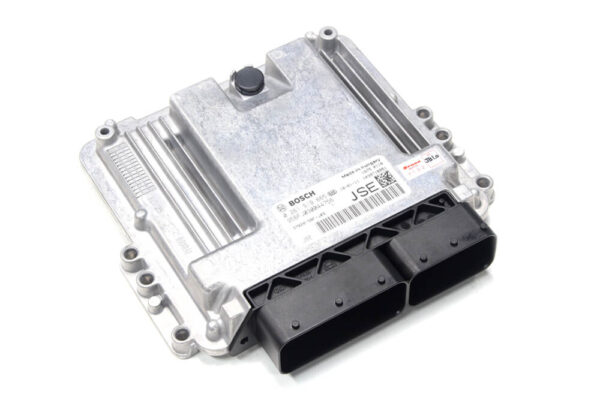
For most modern petrol and diesel vehicles, the ECU already has more control over performance than any mechanical adjustment ever could. It manages fuelling, boost pressure, ignition timing, torque delivery and numerous safety strategies. Engine tuning works by recalibrating these parameters within sensible limits for the vehicle, its engine and its intended use.
What engine tuning actually changes
Engine tuning is often reduced to a headline BHP figure. Power matters, but torque is what many drivers notice first. More usable torque can improve how a vehicle pulls from low revs, how confidently it carries passengers or tools, and how often you need to change gear on a hill.
A properly written ECU remap adjusts the engine-management software rather than fitting a generic add-on box that simply alters sensor signals. The calibration should account for the vehicle’s original file, engine type, gearbox, mileage, current condition and known limitations. A healthy 2.0-litre diesel van, for example, may benefit most from stronger mid-range torque and smoother throttle response, while a turbo petrol performance car may be tuned around progressive power delivery higher through the rev range.
The aim is not to make every vehicle feel aggressive. Good tuning makes the vehicle drive better. That can mean cleaner response when accelerating, fewer flat spots, less effort when towing within the vehicle’s rated limits, or a more relaxed drive at normal road speeds.
Performance remapping: where the gains come from
Turbocharged engines usually offer the greatest scope because the ECU can control boost, fuelling and torque targets with precision. Naturally aspirated engines can also be tuned, although the gains are normally more modest. Anyone promising dramatic increases from an engine with limited tuning headroom should be questioned.
A performance remap can improve:
- BHP and torque output
- Throttle response and acceleration
- Mid-range pulling power
- Drivability when carrying loads or towing
- Power delivery through the gears
The final result depends on the vehicle. Engine condition, fuel quality, servicing history, clutch capacity, gearbox type and existing modifications all matter. A calibration that feels excellent on one model is not automatically suitable for another simply because they share an engine size.
This is why a workshop-led process matters. Before tuning, proper diagnostics can identify stored fault codes, boost leaks, injector concerns, DPF problems, worn sensors or other issues that software alone will not fix. Remapping a vehicle with an underlying fault can mask the real problem temporarily while adding further stress where it is least wanted.
Torque needs to be managed, not just increased
More torque is useful, but it must be delivered responsibly. On manual vehicles, an ageing clutch may already be close to its limit. On automatic and DSG-equipped vehicles, the transmission’s torque management needs to be considered alongside the engine calibration. A well-developed tune does not simply chase the biggest possible number - it provides a usable output that suits the hardware.
For trade users, this balance is especially valuable. A van that pulls cleanly from lower revs can feel far more capable in daily work without needing to be driven hard. The benefit is practical: less gear hunting, easier joining of fast-moving traffic and better response when the vehicle is loaded.
Can engine tuning improve fuel economy?
It can, provided the vehicle is driven in a way that uses the extra torque sensibly. An economy-focused remap can improve efficiency by optimising torque delivery and making the engine work less hard during normal acceleration and cruising. The result is often a more responsive vehicle that requires less throttle input in everyday driving.
For high-mileage drivers, fleet operators and diesel van owners, the difference can be meaningful over time. Better low-down torque can reduce the need to hold gears for longer or press the accelerator deeply just to maintain progress. That said, economy gains are never automatic. Use the added performance constantly and fuel consumption will rise accordingly.
Driving style, tyre pressures, load weight, route type and mechanical condition still have a major effect on fuel use. Engine tuning should be viewed as one part of a sensible running-cost strategy, alongside regular servicing and dealing with warning lights before they develop into larger faults.
Why diagnostics come before the remap
A warning light is not a minor detail to ignore before tuning. Modern vehicles monitor air flow, exhaust temperatures, boost control, fuel pressure, emissions systems and more. If one part is outside expected operating values, the ECU may reduce performance to protect the engine or emissions equipment.
A diagnostic check helps establish whether the vehicle is suitable for tuning and whether any faults need attention first. Common examples include split boost hoses, sticking EGR valves, DPF loading issues, failed sensors and actuator faults. These can all make a vehicle feel underpowered, yet none are solved by simply increasing requested power.
At Swansea Remaps, the focus is on reading the vehicle properly, using current genuine tools and creating a suitable file rather than applying a one-size-fits-all approach. That matters because the best result is not just a stronger road test on the day. It is a calibration that continues to feel right during normal use.
The legal side of DPF, EGR and AdBlue changes
Engine-management faults related to DPF, EGR and AdBlue systems are frustrating, particularly when they affect a working vehicle. However, these systems are part of the vehicle’s emissions-control equipment. Removing, disabling or modifying them for a vehicle used on public roads can be illegal and may affect MOT compliance, insurance and manufacturer warranty.
Specialist DPF, EGR and AdBlue solutions may be available for genuine off-road-only, motorsport or export applications where appropriate. The vehicle owner remains responsible for ensuring that any modification is lawful for its use. A clear distinction between road use and off-road use is essential - it is not a technicality.
For road vehicles, diagnosing the source of the problem should be the first move. In some cases, a sensor fault, blocked component, wiring issue or incomplete regeneration process can be repaired without making an unlawful change to the emissions system.
Choosing the right approach for your vehicle
The best engine tuning starts with a straightforward question: what do you want the vehicle to do better? A commuter may want smoother overtaking and stronger response. A caravan owner may prioritise relaxed towing. A tradesperson may need a van that pulls confidently with tools and stock on board. An enthusiast may want sharper delivery without sacrificing everyday manners.
Be clear about how the vehicle is used, including its mileage, modifications, maintenance history and any current issues. A reputable tuner should explain realistic outcomes rather than promise identical gains for every car, van or lorry. They should also be willing to say when a repair, service or further inspection is needed before calibration work begins.
It is sensible to tell your insurer about an ECU remap or other performance modification. You should also understand the potential effect on any remaining manufacturer warranty. These are routine ownership considerations, not reasons to avoid a well-executed upgrade.
A better drive starts with the right calibration
The most satisfying remaps are not always the ones with the biggest headline figures. They are the ones that make a vehicle feel as though it should have left the factory that way: stronger in the mid-range, smoother under load and less tiring to drive every day.
If your vehicle is healthy and its current performance no longer matches how you use it, a properly diagnosed and carefully calibrated tune can deliver a noticeable difference every time you turn the key. Start with the vehicle’s condition and your real driving needs, then choose an engine tuning solution built around both.
Results, compatibility and suitable options vary by vehicle, software version, mechanical condition and existing modifications. Always confirm the correct route for your own vehicle before work is carried out.