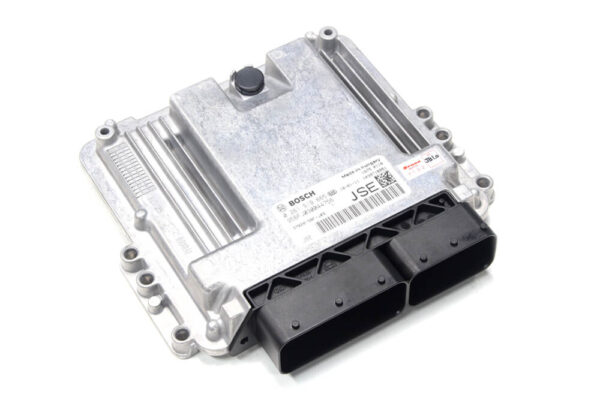
A remap is only as good as the engine, drivetrain and condition of the vehicle underneath it. The best cars for remapping are not necessarily the fastest models on the forecourt. They are the cars with a strong factory turbocharged engine, sensible headroom in the standard calibration and a transmission that can put the extra torque to work.
For a commuter, that usually means cleaner overtaking and less effort on hills. For a tradesperson, it can mean a van that feels more willing with a full load. For an enthusiast, it means stronger mid-range pull without making the car unpleasant to use every day. The right vehicle responds well because the remap improves how the engine delivers its capability, rather than simply chasing a headline figure.
What makes a car good for ECU remapping?
Turbocharged petrol and diesel engines are generally the strongest candidates. From the factory, manufacturers often use one engine across several power outputs, then differentiate models through software, hardware or both. Where the hardware is shared and the engine is in good order, a carefully developed ECU calibration can produce worthwhile BHP and torque gains.
A naturally aspirated petrol engine can still be tuned, but expectations need to be realistic. Without a turbocharger, there is less scope to increase airflow and torque through software alone. The difference may improve throttle response and drivability, but it will rarely transform the car in the way a well-mapped turbo engine can.
The best starting point is always a healthy vehicle. Fault codes, boost leaks, tired injectors, clutch slip, DPF faults or an automatic gearbox already under strain should be diagnosed before any performance work begins. A proper pre-tuning diagnostic check is not an optional extra. It is how a workshop identifies whether the vehicle is ready for more demand.
Best cars for remapping: proven UK choices
Volkswagen Group 2.0 TDI models
The 2.0 TDI found across Volkswagen, Audi, SEAT and Skoda models remains a popular remapping choice for good reason. It appears in everything from the Golf and A3 to the Passat, Superb, Tiguan and Transporter, giving owners plenty of practical options.
These engines respond particularly well when the aim is stronger usable torque. A mapped 2.0 TDI can feel far less flat through the middle of the rev range, making joining fast roads, overtaking and towing more straightforward. It is a sensible route for drivers who cover regular motorway miles and want better flexibility rather than a car that only feels quick at full throttle.
Manual cars need a clutch assessment if they have high mileage or are already showing signs of slip. DSG models can be excellent, but the gearbox calibration, servicing history and torque limits must be considered as part of the job.
Volkswagen Group 2.0 TSI and 1.8 TSI models
The turbo petrol versions of the Golf GTI, Golf R, Audi S3, A4, Leon Cupra and Skoda Octavia vRS have long been favourites with enthusiasts. They combine responsive turbocharging with a broad aftermarket knowledge base, and the standard cars already have the chassis and brakes to make their performance potential worthwhile.
A quality remap can sharpen the way these engines build power and add serious mid-range urgency. However, the best setup depends on the exact generation, fuel quality, supporting hardware and intended use. A daily-driven GTI needs a different calibration priority to a modified weekend car.
Servicing matters here. Correct oil changes, healthy ignition components and attention to cooling are all part of protecting a tuned petrol engine. More power should not mean ignoring the maintenance that keeps it dependable.
BMW diesel models with B47 and B57 engines
BMW's modern turbo diesel range is well suited to drivers who want effortless performance without sacrificing long-distance ability. The 320d, 330d, 520d, 530d, X3 and X5 are common examples, with the larger six-cylinder models especially capable when correctly calibrated.
The attraction is not just peak power. These cars can gain the sort of torque that makes the vehicle feel more relaxed at normal road speeds. That is useful for motorway driving, towing and carrying passengers, while still retaining the refined character expected from a BMW.
As with any premium diesel, maintenance and diagnostics come first. EGR, DPF, boost-control and sensor faults need resolving properly. If a vehicle has a recurring emissions-system issue, the solution should be based on its use, its condition and the applicable legal requirements - not guesswork.
Ford EcoBoost and EcoBlue models
Ford offers strong choices for both car and van owners. The 1.0 and 1.5 EcoBoost petrol engines can benefit from a sensible calibration when they are well maintained, while 2.0 EcoBlue diesel models provide a strong platform for drivers who need more pulling power.
The Focus, Fiesta ST, Mondeo, Ranger and Transit range are all popular for different reasons. Performance-oriented models can become more responsive and eager, while diesel cars and commercial vehicles often benefit most from a wider torque band. That can make a noticeable difference when the vehicle is loaded, used for site work or covering long journeys across Wales and beyond.
With vans, the objective should be practical. A good commercial remap should improve drivability and reduce the need to work the engine hard through every gear. It is not about creating a temperamental work vehicle.
Mercedes-Benz diesel cars and vans
Mercedes diesel engines in the C-Class, E-Class, GLC, Sprinter and Vito are regular candidates for ECU tuning. Owners often choose a remap to improve response from low revs, where a standard diesel can feel restrained by factory calibration.
For van operators, stronger torque delivery can make day-to-day driving less tiring, especially with tools, stock or equipment on board. For car owners, the gain is often a more confident in-gear response rather than a need to constantly downshift.
The vehicle's service history is particularly relevant. AdBlue, NOx sensor and DPF-related warnings should be diagnosed accurately before tuning. Specialist off-road-only emissions-system solutions have clear legal boundaries and are not a substitute for correct road-vehicle maintenance.
Land Rover and Range Rover diesel models
Discovery, Defender, Range Rover Sport and Evoque models are often chosen for remapping because they are heavy vehicles that benefit from additional low-down torque. A well-developed calibration can make towing, hill climbing and loaded driving feel more controlled.
These vehicles also illustrate why a blanket map is the wrong approach. Engine variant, gearbox type, mileage and existing fault history all matter. The right file is one that suits the vehicle's mechanical condition and the way it is actually used.
Vans are among the strongest remapping candidates
The Ford Transit, Volkswagen Transporter, Vauxhall Vivaro, Renault Trafic and Mercedes Sprinter are some of the most practical vehicles to tune. They spend much of their working life carrying weight, operating on dual carriageways or making repeated stop-start journeys. Extra usable torque can improve progress without demanding aggressive driving.
Fuel economy remapping can also make sense for high-mileage operators, but it is not a magic fix for poor driving habits, overloaded vehicles or neglected servicing. The real benefit comes when the calibration supports efficient torque delivery and the driver uses that flexibility sensibly.
For fleets, consistency matters. A professional file solution should be matched to the exact ECU software and supported by proper diagnostics, not copied from a similar-looking van.
What to check before choosing a remap
First, establish the exact engine and ECU fitted to the vehicle. Badge names can be misleading, particularly where manufacturers use the same model name across several engine revisions. A registration check and diagnostic read identify what is actually present.
Next, be honest about the vehicle's condition. If the clutch bites high, the gearbox changes poorly, the engine has warning lights or the DPF is frequently regenerating, address those issues first. More torque can expose an existing weakness quickly.
Finally, choose the outcome that fits your driving. A daily diesel may need smoother response and economy-focused torque. A hot hatch owner may prioritise sharper acceleration. A work van may need reliable pulling power with a loaded rear bay. The best remap is not the most aggressive one. It is the one that delivers measurable gains while respecting the vehicle's hardware and purpose.
At Swansea Remaps, every suitable vehicle starts with the same principle: use current genuine equipment, read the car properly and calibrate for a result you can feel every time you drive it.
Results, compatibility and suitable options vary by vehicle, software version, mechanical condition and existing modifications. Always confirm the correct route for your own vehicle before work is carried out.