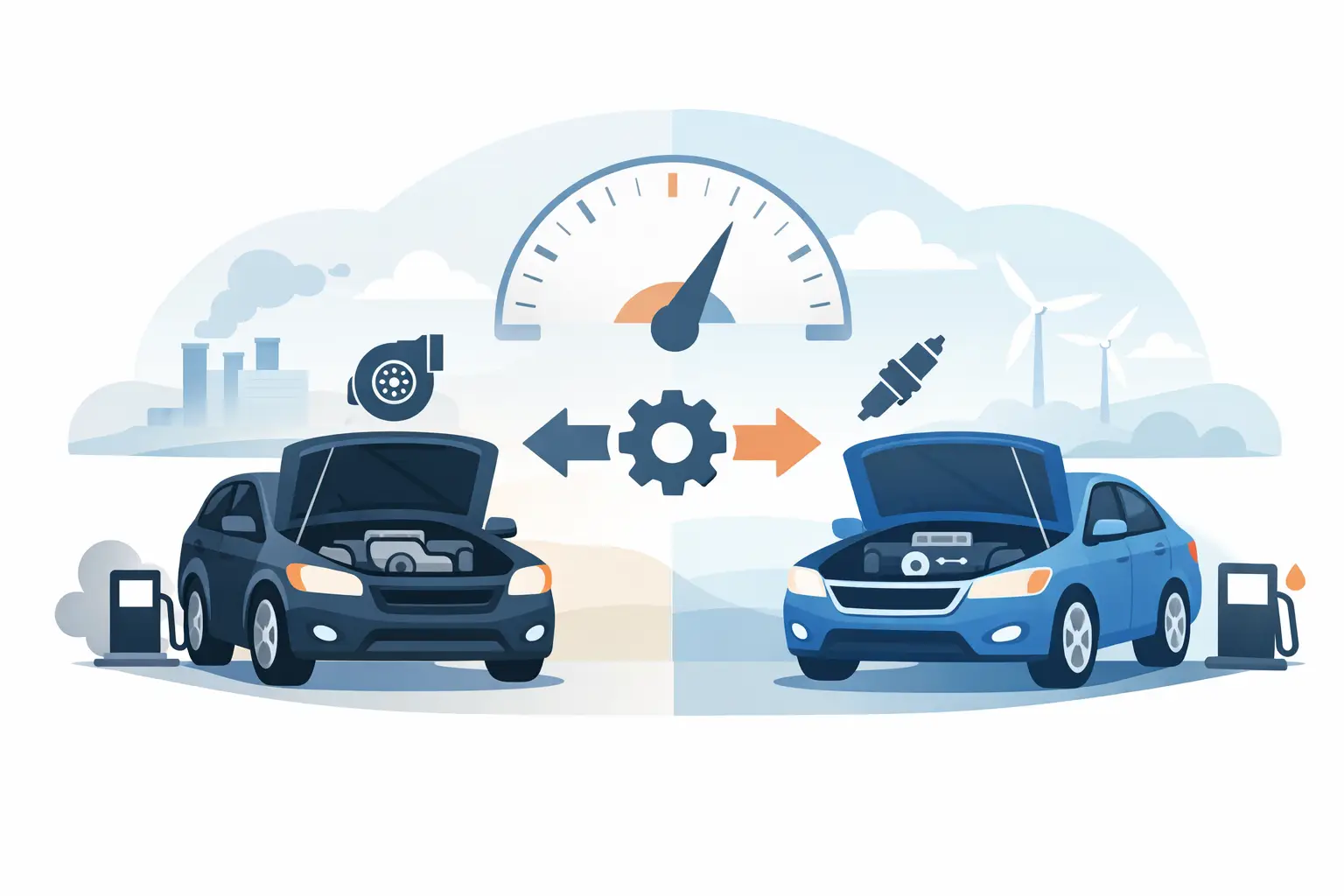
One driver wants stronger mid-range pull for motorway miles and towing. Another wants a sharper throttle and a car that feels more eager through the gears. That is where diesel remap vs petrol remap becomes a practical question, not just a technical one. Both can improve the way a vehicle drives, but they deliver gains in different ways and suit different types of use.
Diesel remap vs petrol remap - what changes in practice?
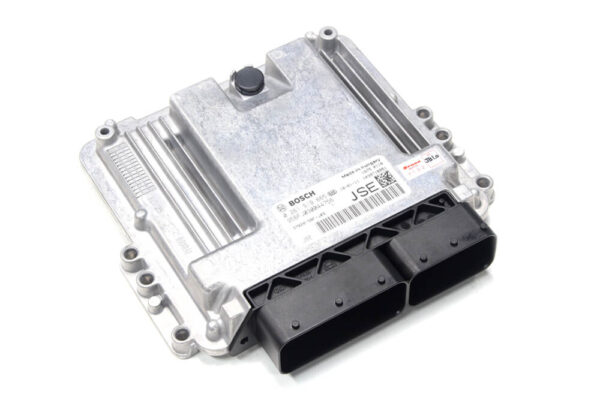
At ECU level, both diesel and petrol remapping involve recalibrating engine parameters to improve performance, drivability or efficiency. The difference is in how each engine type makes power in the first place.
A diesel engine typically responds with a strong increase in torque, especially low down in the rev range. That matters on the road because torque is what you feel when the vehicle pulls cleanly from lower revs, copes better with weight in the back, or needs less effort to overtake. For vans, 4x4s and daily-driven diesel cars, that extra shove is usually the biggest reason to remap.
A petrol engine tends to deliver its gains differently. You will often notice a more responsive throttle, a freer-revving feel and stronger power delivery through the mid to upper rev range. On a turbo petrol, the difference can be very noticeable. On a naturally aspirated petrol, the gains are usually smaller, but the car can still feel smoother and more eager.
So when customers ask which is better, the honest answer is simple - it depends what you drive, how you use it and what result you actually want.
How a diesel remap usually feels on the road
A well-calibrated diesel remap is usually about usable performance. You are not chasing headline numbers for the sake of it. You are improving the areas that matter most in daily driving.
The first thing most drivers notice is stronger torque from lower down the rev range. The car or van needs less throttle to get moving and feels less flat between gear changes. If you spend time on A-roads, motorways or in a loaded work vehicle, that improvement is often more valuable than peak bhp alone.
This is why diesel remaps are so popular with tradespeople, fleet users and owners of larger vehicles. Better pulling power can make the vehicle feel less strained, especially when carrying tools, passengers or towing weight. In the right conditions, an efficient diesel remap can also support fuel economy because the engine does not have to work as hard to make progress.
That said, diesel tuning is not just about adding more fuel and boost. It needs to be done properly, with diagnostics and suitable software, because diesel engines are closely tied to emissions systems and load control strategies. If a vehicle already has underlying issues, remapping without addressing them first is asking for trouble.
How a petrol remap usually feels on the road
Petrol remaps appeal to a slightly different kind of driver, although plenty of daily users benefit as well. The gains are often more about response, smoothness and how willingly the engine builds speed.
On a turbo petrol, a remap can transform the car. Factory calibrations are often conservative, so there is frequently room for stronger power delivery and a sharper driving feel. The result can be quicker acceleration, less hesitation and a much more lively engine.
On a naturally aspirated petrol, expectations need to stay realistic. You are unlikely to see massive headline gains from software alone, but you can still improve throttle behaviour and overall drivability. The car may feel cleaner through the rev range and more pleasant to drive every day, even if the increase in outright power is modest.
For many petrol owners, the appeal is not only speed. It is the way the car responds when you press on. A good petrol remap can make the vehicle feel more connected and less restricted, without sacrificing smoothness.
Which gives bigger gains?
If you are comparing diesel remap vs petrol remap purely on the basis of felt torque, diesel often wins. Turbo diesels generally produce substantial torque gains, and because that torque arrives early, the improvement is obvious in normal driving.
If you are comparing on overall performance character, petrol can be more exciting, especially with a turbocharged engine. A petrol remap often changes the way the engine delivers power across the rev range, which can make the car feel quicker, sharper and more engaging.
So the bigger gain depends on what you mean by gain. If you want stronger low-down pulling power and easier overtaking without changing your driving style much, diesel is usually the more dramatic day-to-day improvement. If you want a more responsive, energetic car that feels keener when extended, petrol often has the edge.
What about fuel economy?
This is where expectations need to be sensible. A remap is not magic. If you use the extra performance all the time, fuel consumption will usually reflect that.
With diesel vehicles, there is often more potential for economy improvement when the calibration is built around efficient torque delivery. Because the engine can make better use of its power lower down, some drivers find they need less throttle and fewer downshifts. That can help on longer runs and in working vehicles that spend their lives covering miles.
With petrol, economy gains are possible, but they are usually less of a selling point than drivability and performance. A petrol remap is more often chosen for response and power delivery than for saving at the pump.
Driving style is the deciding factor. The same remap can return better economy in one driver’s hands and worse economy in another’s.
Reliability matters more than the headline figure
A proper remap should improve the vehicle without pushing it beyond sensible limits. That means the best map is not always the most aggressive one.
Diesel engines, particularly those used for work, benefit from a tune that keeps delivery smooth and controlled. Too much torque too early can stress clutches, gearboxes and drivetrain components. Petrol engines also need a balanced approach, especially where boost, ignition timing and thermal load are concerned.
This is why workshop-grade diagnostics and genuine hardware matter. Before any tuning file goes on, the vehicle should be checked properly. Fault codes, boost leaks, tired sensors and existing emissions-system issues all affect the result. A remap should be matched to the condition of the vehicle, not guessed from a generic file.
At Swansea Remaps, that practical approach is what separates a proper calibration from a quick sales pitch. Good tuning should feel strong, clean and dependable, not impressive for a week and problematic after that.
Diesel remap vs petrol remap for different drivers
If you drive a diesel van, pickup, SUV or motorway car, remapping usually makes most sense when you want stronger low-end performance, easier overtaking and better usability under load. It is often the best fit for people who use their vehicle as a tool and want real gains they can feel every day.
If you drive a turbo petrol hatchback, saloon or performance car, the value is often in sharper response and a more enjoyable power curve. The car feels less restrained and more willing, which suits drivers who want more from the vehicle without changing parts.
If you own a naturally aspirated petrol, the case for remapping is more dependent on expectations. The improvements can still be worthwhile, but they are usually subtler than on modern turbocharged engines.
And if your vehicle already has faults, the first step is not tuning. It is diagnosis. There is no benefit in remapping around a problem that should be fixed properly.
Choosing the right remap, not just a remap
The better question is not whether diesel or petrol remapping is better in general. It is which calibration best suits your engine, your vehicle and your use.
A diesel remap makes most sense when you want torque, flexibility and potential efficiency gains in real-world driving. A petrol remap makes most sense when you want a more responsive engine, stronger acceleration and a livelier feel. Both can offer excellent results when the vehicle is healthy and the tuning is done with the right equipment, software and checks.
If you are deciding between them, ignore the vague claims and focus on what you want the vehicle to do better. Pull harder with weight on board. Feel sharper on the throttle. Use less fuel on long runs. Overtake with less effort. That is where the right remap earns its keep.
The best tune is the one that suits the engine you actually own and the roads you actually drive.
Results, compatibility and suitable options vary by vehicle, software version, mechanical condition and existing modifications. Always confirm the correct route for your own vehicle before work is carried out.