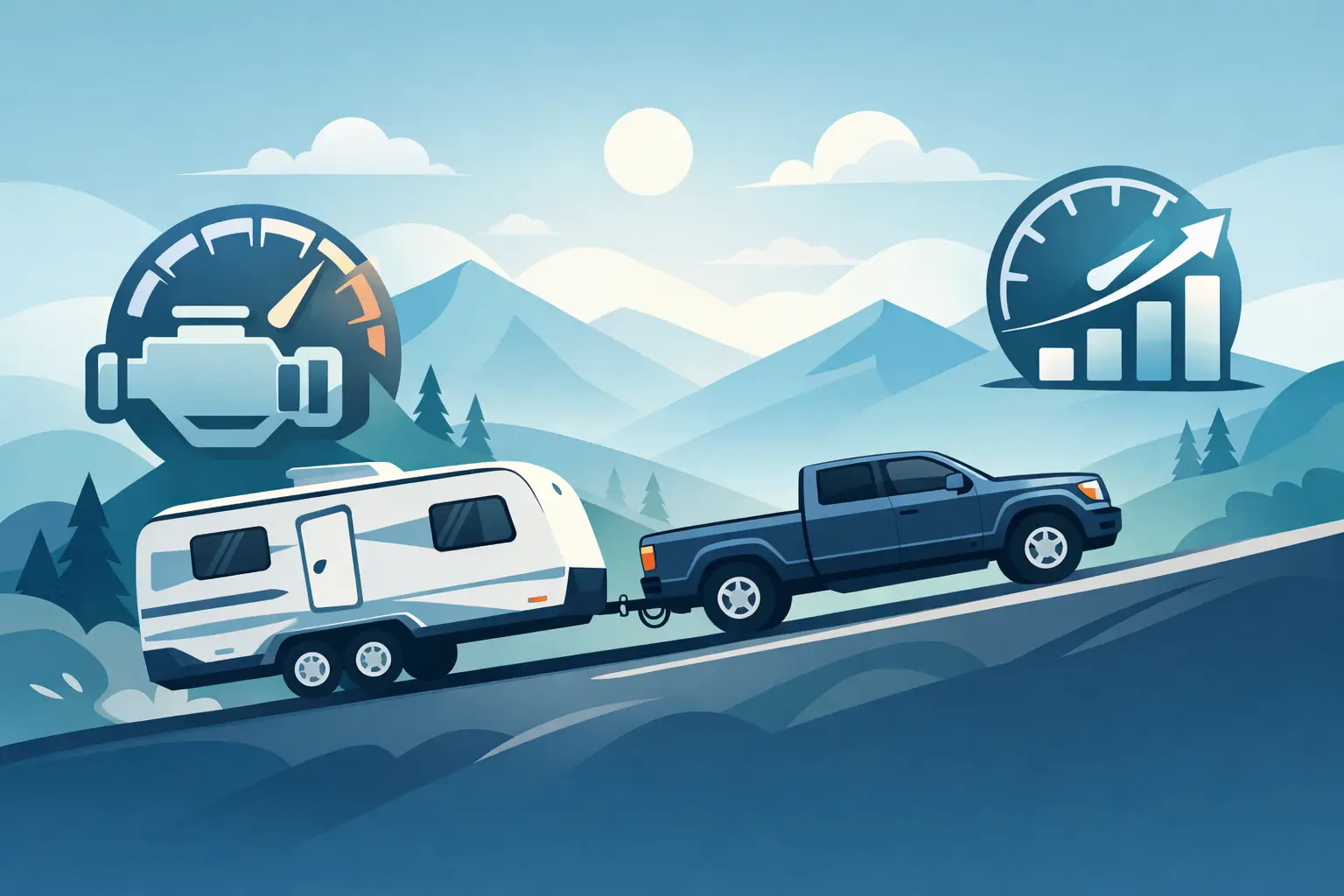
Hook a caravan, horsebox or loaded trailer onto a standard vehicle and the weak points show up quickly. You feel it on hills, at roundabouts and every time you need to pull cleanly from low revs. That is exactly why a remap for towing performance appeals to so many drivers - not for top speed, but for stronger torque, easier pulling power and less strain in everyday use.
Towing puts very different demands on an engine compared with solo driving. You are asking the vehicle to move more weight, often from low speed, and to hold momentum without constant gearchanges. On paper, a vehicle may already have enough towing capacity, but the way it delivers power can still feel flat, hesitant or overworked. A well-calibrated ECU remap addresses that by improving how the engine responds where towing drivers actually need it.
What a remap for towing performance actually changes
For most towing applications, the goal is not a peaky power gain high up the rev range. It is usable torque through the mid-range and a more settled power delivery lower down. That matters when pulling away on an incline, joining faster traffic with a trailer behind you, or maintaining speed without constantly dropping gears.
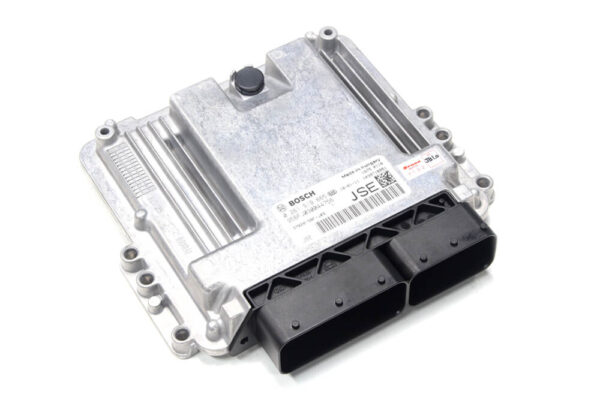
An ECU remap adjusts the engine management software to optimise parameters such as boost pressure, fuel delivery and torque request. On a turbo diesel, which is a common towing choice in the UK, the biggest difference is usually improved pulling power from lower revs. The vehicle feels less laboured, throttle response is cleaner and the engine works more efficiently within the range you use most.
Done properly, it should not turn the vehicle into something harsh or awkward. It should feel more capable. For towing drivers, that usually means smoother take-off, stronger in-gear acceleration and reduced need to chase revs just to make progress.
Why torque matters more than headline bhp
If you tow regularly, you will already know that brochure power figures do not tell the full story. Peak bhp is only one part of the picture. What makes a tow vehicle feel right is accessible torque and the way it arrives.
That is why towing remaps tend to focus on the working range of the engine rather than outright top-end output. More torque at sensible revs can make the vehicle easier to control and more relaxed over distance. You are not fighting to keep it in the ideal gear every few seconds, and the engine does not feel like it is constantly being stretched.
For vans, 4x4s and diesel estates used for work or leisure towing, this can make a noticeable difference. A loaded trailer exposes lazy throttle mapping and weak mid-range delivery straight away. A good remap sharpens that up without making the vehicle unpleasant for day-to-day driving.
The real-world benefits when towing
The most obvious gain is drivability. That sounds simple, but it matters more than headline numbers. A vehicle that pulls cleanly and predictably is easier to tow with than one that only feels stronger on a dyno sheet.
You may notice the difference first when moving off with weight behind you. Instead of slipping the clutch more than you would like or leaning heavily on the automatic gearbox to sort things out, the vehicle gets moving with less hesitation. Hill starts feel less stressful, and overtaking or merging can feel more controlled because the engine builds speed with less delay.
There can also be an efficiency benefit, although this depends on how and where you drive. If the engine is producing torque more effectively, it often needs less effort to do the same job. That can help fuel economy when towing, especially on longer runs where steady pulling power matters. That said, if you use the extra performance all the time, fuel savings may be limited. The calibration can improve efficiency potential, but driving style still decides the outcome.
It depends on the vehicle
Not every vehicle responds in the same way, and no serious tuning workshop should pretend otherwise. Engine type, gearbox, age, condition and intended towing load all matter.
Turbo diesel vehicles usually show the most obvious improvement because they are naturally well suited to torque-focused remapping. A modern diesel van or SUV can often gain the sort of mid-range strength that makes towing feel easier straight away. Petrol vehicles can benefit too, but the character of the gain is often different, and the towing experience may not transform in the same way as a turbo diesel.
Automatic gearboxes can also react differently from manual ones. A stronger torque curve can help an auto hold gears more confidently and reduce hunting under load, but the transmission itself still needs to be in good health. If a gearbox already feels weak, delayed or rough, a remap is not the place to hide it.
The same applies to older vehicles with existing faults. If you have boost leaks, injector issues, clutch slip, DPF problems or poor servicing history, those need dealing with first. Tuning a vehicle that is not mechanically sound is false economy.
What a proper towing remap should not do
A lot of drivers worry that remapping for towing means pushing the engine too hard. That concern is fair, especially when the market includes generic files and badly judged calibrations. The answer is not to avoid tuning altogether. It is to use a specialist that calibrates with the vehicle's limits, use case and condition in mind.
A proper towing setup should not feel aggressive for the sake of it. It should not produce a smoky, jerky or overly sharp power delivery. It should not chase unrealistic numbers that look good in marketing but make the vehicle less dependable when loaded.
The best result is usually a balanced one. More torque, better throttle control and stronger drivability - without compromising reliability through poor file quality or lack of diagnostics. That is where genuine hardware, current software and workshop-level checks matter. You want calibration based on data, not guesswork.
Is it safe to remap a tow vehicle?
When carried out correctly on a healthy vehicle, remapping can be a sensible upgrade for towing. The key phrase is carried out correctly. Towing already places added demand on the engine, clutch, gearbox, cooling system and brakes, so any software change needs to respect that.
A reputable tuner will look at the whole picture. That includes engine health, fault codes, service condition and whether the requested result is realistic. There is no value in chasing big gains if the vehicle spends its life hauling tools, materials or family holiday kit up and down the M4.
Drivers also need to stay realistic about legal towing limits. A remap does not increase the vehicle's plated towing capacity, payload or braking limits. It can improve how the vehicle performs within those limits, but it does not change what the vehicle is legally allowed to tow.
Who benefits most from a remap for towing performance?
This type of remap makes the most sense for drivers who tow regularly enough to notice the vehicle struggling. That includes caravan owners, tradespeople towing plant trailers, 4x4 owners pulling horseboxes, and van users carrying weight day in, day out.
If your vehicle already feels strong, well matched to the load and easy to drive under tow, the gains may be more subtle. But if it feels flat in the mid-range, slow to respond or too busy on hills, the improvement can be worth having. For many owners, it is less about making the vehicle faster and more about making it better suited to the job it already does.
That is often the difference between a remap that sounds good in theory and one that adds real value. The best towing remaps solve a practical problem.
Choosing the right workshop
This is not the job for bargain software flashed in a car park with no diagnostics and no understanding of towing demands. A tow vehicle needs a calibration built around usable performance, not just numbers. It also needs proper assessment before any file is written or installed.
A specialist workshop should be able to explain expected gains clearly, identify mechanical issues beforehand and set realistic expectations. If a vehicle is not suitable, that should be said early. Direct, honest advice is part of good tuning.
For drivers who use their vehicle to earn a living or move valuable loads, reliability matters just as much as power. That is why many customers choose established tuning specialists such as Swansea Remaps, where in-house capability, diagnostics and up-to-date tools support a more dependable result.
A remap for towing performance is worth it when the vehicle is right, the calibration is right and the expectations are sensible. Get those three things lined up, and towing becomes less of a chore and more like the vehicle should have felt from the start.
Results, compatibility and suitable options vary by vehicle, software version, mechanical condition and existing modifications. Always confirm the correct route for your own vehicle before work is carried out.