A vehicle performance remapping guide should start with one question: what do you actually want your vehicle to do better? More overtaking pull, sharper throttle response, easier towing, stronger mid-range torque or fewer visits to the fuel pump all call for a different approach. A proper ECU remap is not a generic add-on. It is a calibrated change to the engine management software, matched to the vehicle, its condition and the way it is used.
For a daily car, work van or enthusiast vehicle, the best result is usually not the biggest headline power figure. It is a vehicle that feels more responsive, pulls cleanly through the rev range and remains dependable in real UK driving conditions.
What vehicle performance remapping changes
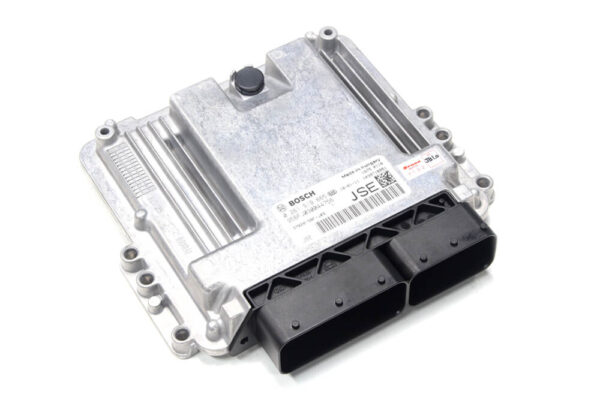
Modern engines are controlled by the ECU, which manages parameters including fuelling, boost pressure, ignition timing, torque limits and throttle request. Manufacturers often use one engine across several models or markets, then apply different software calibrations to suit emissions targets, fuel quality, drivetrain limits, climate and product positioning.
A performance remap adjusts appropriate ECU maps within safe operating tolerances to make better use of the engine's available potential. On a turbocharged diesel, the most noticeable improvement is often torque. That matters when joining a motorway, carrying tools, towing a trailer or overtaking without constantly changing gear. Turbo petrol engines can also respond strongly, with quicker acceleration and more usable power through the middle of the rev range.
The outcome depends on the exact engine, gearbox, mileage, maintenance history and supporting hardware. Two vehicles that look identical on paper can require different decisions in the workshop. That is why a registration-based gains check is useful as a starting point, not a promise made before the vehicle has been assessed.
Choose the remap around the job the vehicle does
Performance remapping for stronger everyday driving
A performance-focused calibration is built for drivers who want more BHP and torque, but the real benefit is often how the vehicle behaves between low and medium revs. Instead of waiting for the engine to gather pace, it responds more decisively when you ask for acceleration.
For a family car, that can mean safer-feeling overtakes and less effort on inclines. For a van, it can mean more relaxed progress with a load on board. A good calibration should feel controlled and progressive, not jerky, smoky or difficult to modulate in traffic.
Chasing maximum figures without considering the clutch, gearbox and vehicle use is rarely sensible. A car used for short journeys and school runs needs a different balance from a well-maintained vehicle used mainly on longer motorway journeys. The target is usable performance, not a number that looks impressive but creates unnecessary strain elsewhere.
Economy remapping for cars and vans
An economy remap is aimed at improving efficiency through better torque delivery and reduced need for heavy throttle inputs. If a diesel van can hold speed on an incline in a higher gear with less effort, the driver may use less fuel in normal operation. The gains are most likely when the vehicle covers regular mileage and is driven consistently.
Economy is never automatic. Stop-start traffic, heavy loads, tyre pressures, roof racks, driving style and neglected servicing can outweigh the benefit of any software change. More power also gives a driver more opportunity to use fuel, so an economy result relies on using the additional torque sensibly.
For trade users and fleets, drivability is often as valuable as the fuel saving. A van that pulls cleanly from lower revs can be less tiring to drive over a long working day.
Vehicle health comes before software
Remapping a vehicle with an existing fault is a poor shortcut. A warning light, hesitation, excessive smoke, boost leak, misfire or limp-mode history needs diagnosing first. More torque can expose a weak clutch, a tired turbo actuator, a blocked intake issue or a sensor fault that was already present.
Before any ECU work, proper diagnostics should check for stored and pending fault codes, live data and signs that the engine is not operating as it should. Service items matter too. Oil quality, filters, spark plugs on petrol engines, cooling performance and the condition of hoses all affect the result.
This is where workshop capability makes a practical difference. At Swansea Remaps, up-to-date genuine hardware, current software and in-house diagnostics support a measured process rather than simply loading a file and hoping for the best. If the vehicle needs attention first, dealing with that issue protects both the engine and the value of the remap.
The vehicle performance remapping process
A professional process begins by identifying the precise vehicle and ECU, reading diagnostic information and confirming that the requested outcome is realistic. The original software is read and retained, allowing the calibration to be tailored to the correct control unit rather than relying on assumptions.
The revised file is then written using suitable equipment and the vehicle is checked afterwards. The important part is not just whether it starts. It should be assessed for fault codes, correct operation and the driving characteristics the customer asked for. On certain vehicles, transmission behaviour and torque management also need consideration, particularly where an automatic gearbox has its own limits and control strategy.
Be cautious of anyone offering a one-size-fits-all remap without questions about vehicle condition, use or modifications. A sensible tuner will discuss whether the vehicle is standard, whether it tows, whether it has clutch slip, and whether there are existing emissions-system faults. Clear answers before the work are a sign of a better outcome afterwards.
Emissions systems, MOT rules and road use
DPF, EGR and AdBlue faults can be frustrating, particularly when a vehicle is used mainly for short runs that prevent normal regeneration. However, removing, disabling or altering emissions-control equipment on a road-going vehicle can make it illegal for road use and may affect MOT compliance, insurance and vehicle legality.
Specialist DPF, EGR, AdBlue, speed limiter and rev limiter solutions are strictly for off-road use where applicable. A responsible workshop should be direct about that boundary. For vehicles used on public roads, diagnose the underlying fault and pursue a legal repair route rather than treating a warning message as a software-only problem.
A performance remap itself should also be declared to your insurer. Modifications can affect cover, and failing to disclose them can cause serious problems if you need to make a claim. Check your policy before booking, and keep any documentation relating to the work.
Supporting upgrades and realistic limits
Many standard vehicles respond well to a carefully developed Stage 1 calibration with no physical modifications. Beyond that point, the supporting parts become more important. An upgraded intercooler may help manage intake temperatures on some turbocharged applications, while intake, exhaust, fuel system or turbo changes may require a bespoke calibration.
There is no universal upgrade path. A large exhaust or aggressive map does not automatically make a vehicle faster, cleaner or nicer to drive. The right decision depends on the engine platform, the condition of the car or van and whether it is intended for daily road use, towing or off-road competition.
Tyres, brakes and suspension deserve attention too. Additional performance is more rewarding when the vehicle can put it down safely and stop confidently. This is especially relevant to heavier vans and vehicles that frequently carry loads.
Questions worth asking before you book
Ask what gains are typical for your exact engine, how the vehicle will be checked beforehand and whether the original file is retained. It is also sensible to ask how the calibration is matched to your use, what happens if diagnostic faults are found, and what legal or insurance considerations apply.
The answers should be straightforward. You are trusting someone with the software that controls your engine, so technical confidence should come with clear communication. The right remap makes the vehicle feel like a better version of itself, while respecting its mechanical condition and the rules that apply to how you use it.
If your car or van is healthy and your goal is clear, start with a proper assessment rather than the biggest claimed gain. That single decision is what turns extra performance into smoother, more useful driving every day.
Results, compatibility and suitable options vary by vehicle, software version, mechanical condition and existing modifications. Always confirm the correct route for your own vehicle before work is carried out.