You feel it most when pulling out to overtake or climbing a long hill with a loaded van - the car is capable, but it never quite gives you everything the engine has in it. That is why stage 1 mobile remaps have become such a popular option for UK drivers. They offer a practical route to more power, more torque and sharper drivability without changing hard parts, and without the hassle of leaving your vehicle in a workshop all day.
That said, not every mobile remap is the same. The difference between a proper calibration and a rushed job on a driveway is the difference between a vehicle that feels stronger everywhere and one that ends up with poor running, warning lights or gains that never match the promise. If you are weighing up a stage 1 tune, the key question is not just what it can do, but how it is being done.
What stage 1 mobile remaps actually mean
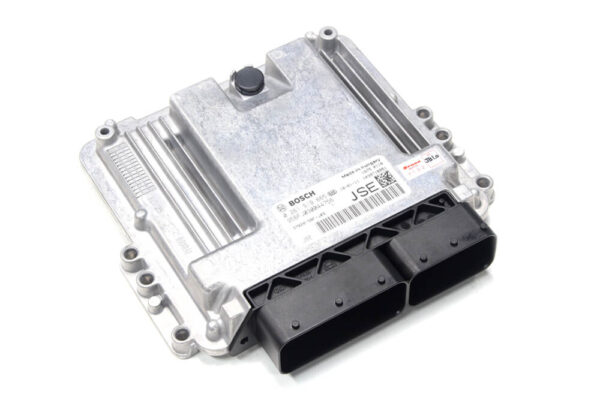
A stage 1 remap is a software calibration carried out on the engine control unit, designed for a standard vehicle with no major hardware changes. In plain terms, the ECU settings are adjusted to improve how the engine delivers power and torque, while staying within sensible limits for the stock turbo, injectors, clutch and other core components.
When that service is mobile, the tuning is carried out at your home, workplace or another suitable location rather than in a fixed workshop. For many owners, that is the appeal. If you rely on your car or van for work, or simply do not want the downtime, mobile tuning can be a convenient option.
The best stage 1 mobile remaps are not just about peak bhp figures. Yes, the extra numbers matter, but most drivers notice the mid-range first. The vehicle pulls harder, responds earlier and feels less flat when accelerating from lower revs. On many diesel cars and vans, that stronger torque delivery can make everyday driving far easier.
Why drivers choose stage 1 mobile remaps
For some, it is about performance. They want the car to feel more alive and less restricted than it did from factory. For others, especially van drivers, tradespeople and higher-mileage motorists, the real attraction is usability. Better torque lower down the rev range means fewer gear changes, easier progress under load and a vehicle that feels less strained in normal driving.
There can also be economy benefits, but this is where honesty matters. A remap does not magically reduce fuel use in every scenario. If you use the added performance all the time, fuel consumption may stay the same or even worsen. If you drive in the same way as before and take advantage of the improved torque rather than pushing harder, many vehicles can return better efficiency.
That is why stage 1 tuning suits so many different drivers. The same remap can mean quicker overtakes for one owner and lower running costs for another. It depends on the vehicle, the engine and how it is used day to day.
How a proper mobile remap should be done
Convenience should never replace process. A proper mobile tuning appointment still needs checks before any file is written to the vehicle. That includes reading the ECU correctly, identifying the software version, checking for faults and making sure the car is mechanically healthy enough for tuning.
If a vehicle already has boost leaks, injector issues, DPF faults or sensor problems, a remap will not fix that. In many cases it will simply expose the weakness faster. That is why pre-remap diagnostics matter. A good tuner should want to know the condition of the engine, not just plug in and promise a headline gain.
The file itself matters just as much. Generic tuning files can work on some applications, but the quality varies massively. The better approach is a properly developed calibration based on the exact ECU, engine and software in front of you, with realistic targets for power delivery, smoke control, thermal limits and drivability.
Mobile tuning also depends on equipment. Genuine, up-to-date hardware and software reduce the risk of communication issues and support correct reading and writing procedures. That is not flashy marketing language - it is basic quality control.
The benefits - and the limits
Done properly, stage 1 mobile remaps can transform how a vehicle drives. Throttle response is usually sharper. Torque comes in earlier and more cleanly. Flat spots can be reduced, and the car often feels smoother through the rev range rather than simply more aggressive at the top end.
On turbo diesel vehicles, the gains are often especially noticeable because manufacturers leave a fair amount in reserve. On turbo petrol engines, there can also be substantial improvements, though the exact result varies by platform. Naturally aspirated engines tend to see more modest gains, so expectations need to stay realistic.
There are limits, and sensible tuners are clear about them. A stage 1 remap is not a substitute for hardware upgrades if you are chasing big figures. It also will not repair worn components, improve a slipping clutch or hide a blocked DPF. If your vehicle has underlying faults, they need dealing with first.
Insurance is another point many drivers forget. Any performance modification, including ECU remapping, should be declared to your insurer. It is straightforward, but it should not be ignored.
Are stage 1 mobile remaps safe?
They can be, if the vehicle is healthy and the tuning is carried out correctly. Factory calibrations are often built around broad market conditions, emissions targets, fuel quality differences and model-range positioning. That leaves room for improvement, especially on engines shared across multiple power outputs.
A safe stage 1 calibration works within the genuine capability of the standard hardware. It does not just chase maximum boost and fuelling because a graph looks impressive. It balances output with reliability, exhaust gas temperatures, clutch limits and the way the vehicle is actually used.
This is where experience counts. A daily-driven van that tows, sits in traffic and covers motorway miles needs a different mindset from a weekend hot hatch. Both may benefit from a remap, but the calibration priorities are not identical.
Workshop tuning versus mobile tuning
Mobile tuning is ideal when convenience is the priority, but workshop support still has advantages in some cases. If a vehicle has existing warning lights, intermittent issues or suspected hardware problems, an in-house setup with deeper diagnostics can be the better route. The same applies if the car needs assessment before tuning or if there is a question over previous software history.
For a healthy vehicle with straightforward access and no underlying faults, mobile tuning can be an excellent option. For more complex cases, workshop time gives more room for detailed checks and problem solving. That is not a contradiction - it is simply the right tool for the right job.
A serious tuning business should understand both sides of that. Convenience sells, but accuracy and reliability keep customers happy.
Choosing the right provider for stage 1 mobile remaps
If you are comparing options, look past the cheapest price and the biggest claim. Ask whether diagnostics are carried out first. Ask what equipment is used. Ask whether the tune is suited to your exact vehicle rather than a one-size-fits-all file. Ask what gains are realistically expected, and whether those figures are based on experience with your engine.
You also want clarity. A good provider will explain what the remap is designed to improve, whether your vehicle is a suitable candidate and where the limits are likely to be. If someone guarantees dramatic gains without asking about condition, mileage or use, that is usually a warning sign.
This is where specialist knowledge makes a real difference. A company such as Swansea Remaps builds value not just through the remap itself, but through the surrounding process - proper equipment, current software, diagnostics and workshop capability when a vehicle needs more than a quick visit.
Who gets the most from a stage 1 remap?
Drivers who spend a lot of time on A-roads and motorways often notice the biggest improvement in flexibility. The car feels stronger in gear, so overtaking needs less planning. Van owners and tradespeople usually appreciate the added pulling power, especially when carrying tools or stock. Enthusiasts enjoy the extra response and urgency, but even they tend to value a smooth, usable map more than a peaky one.
If your goal is better everyday drivability rather than chasing numbers for the sake of it, stage 1 is often the sweet spot. It keeps the vehicle close to standard in hardware terms while making better use of what is already there.
The right remap should feel like the engine has been woken up, not forced beyond its comfort zone. If you choose carefully, that is exactly what stage 1 mobile remaps can deliver - stronger performance where you use it, better drivability in normal conditions, and a vehicle that works harder for you without demanding more from your day.
Results, compatibility and suitable options vary by vehicle, software version, mechanical condition and existing modifications. Always confirm the correct route for your own vehicle before work is carried out.