A van that runs out of breath at an indicated top speed can be more than frustrating. For some drivers, especially those covering long motorway miles or using a vehicle on private land, the question of speed limiter removal van options comes up for a simple reason - the factory setting does not always suit the job.
That said, this is not a one-size-fits-all service. Speed limiter changes need to be handled properly, with the right tools, the right file work, and a clear understanding of where and how the vehicle is being used. Done badly, you risk poor drivability, fault codes, or software issues. Done properly, the van keeps its factory manners while removing an unnecessary restriction where legally appropriate.
What speed limiter removal on a van actually means
Most modern vans use ECU-controlled speed limiting. The vehicle reaches a programmed threshold and the software prevents it from accelerating beyond that point. Manufacturers apply these limits for different reasons, including fleet policy, tyre ratings, emissions strategy, and model positioning.
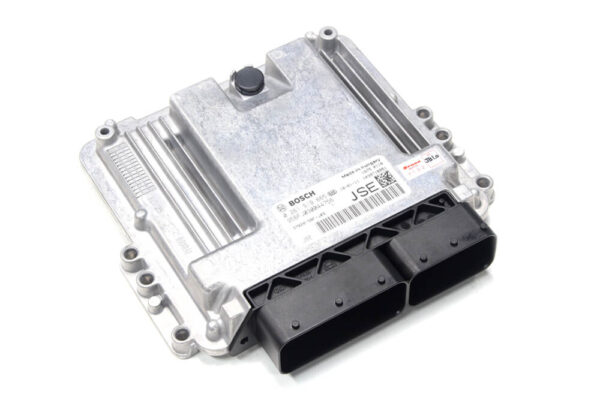
A proper speed limiter removal van service is not a mechanical workaround or a crude bypass. It is a calibrated software adjustment within the ECU file. The goal is to remove or alter the programmed restriction without upsetting the rest of the vehicle's operation.
That distinction matters. Cheap, generic file writing can create more problems than it solves. Vans are working vehicles. They need to start cleanly, pull properly under load, and behave consistently in traffic and on longer runs. The limiter setting is only one part of a much larger calibration.
Why van owners ask for speed limiter removal
The reason depends on the vehicle and the driver. A tradesperson doing mainly local work may never notice the limiter. Someone covering long distances on A-roads or motorways usually notices it straight away, especially during overtaking or when the van feels artificially held back.
In some cases, the issue is not chasing top speed. It is about how the van gets there. A limiter can make a vehicle feel flat and strained at the upper end of the rev range, even if the engine still has usable power left. On certain vans, that can make the vehicle feel less relaxed than it should on faster roads.
Fleet operators and owner-drivers also look at usability. If the van has the power and gearing to travel comfortably but is being cut early by software, removing that restriction can make the vehicle feel more natural to drive. It often pairs well with a properly developed remap that improves torque delivery and overall drivability, not just outright performance.
When speed limiter removal van services make sense
This kind of work suits some vehicles far better than others. If the van is used off-road, on private land, or in specialist applications, adjusting the limiter can be a practical requirement. Certain converted vehicles and export vehicles also fall into categories where factory restrictions no longer match real-world use.
For regular road use, the legal side is the first consideration. Not every limiter should be removed, and not every use case is appropriate. There are also insurance and compliance points to think about. A responsible tuning workshop should be clear about that rather than pretending every van is a candidate.
There is also the question of vehicle condition. If a van has boost leaks, DPF issues, gearbox problems, or sensor faults, removing the limiter is not the starting point. The base vehicle needs to be healthy. Otherwise, you are tuning around existing faults instead of solving them.
Speed limiter removal van work is not just about top speed
This is where a lot of people get the wrong end of the stick. The benefit is rarely about driving flat out. In practice, it is more often about restoring the van's full operating range so it no longer feels interrupted by software before the engine has finished doing its job.
That matters more on heavier vehicles than many people realise. A loaded van, a long incline, or a fast dual carriageway can expose factory restrictions quickly. If the limiter arrives too early, the vehicle can feel blunt exactly when you want smooth, predictable pull.
A well-calibrated file keeps the van progressive. It should not feel spiky, rough, or unnatural. It should simply stop imposing an artificial cap where that cap is no longer needed for the intended use.
Why proper ECU calibration matters
Any workshop can claim software changes. The difference is in how the file is handled and what checks happen before and after. Modern vans are not forgiving of guesswork. Different engine variants, ECU types, gearbox combinations, and software versions all affect what can be done safely.
A proper process starts with identifying the ECU and reading the original data correctly. From there, the limiter section in the file is adjusted in line with the vehicle's software structure. Diagnostics should also be part of the job. If there are underlying issues, they need to be seen early rather than after the customer notices a new problem.
This is also why genuine, current hardware and software matter. Unsupported tools, copied files, and generic maps can produce poor results. On a working van, reliability comes first. The vehicle has to perform day after day, not just feel different on the drive home.
The legal side of speed limiter removal van services
This part should be dealt with plainly. Not every speed limiter removal van request is suitable for road-going use, and legal requirements vary depending on the vehicle, its class, and where it is being used.
That means there is no sensible blanket answer. Some limiter-related services are strictly for off-road use or private land applications. Others may involve vehicles where the factory restriction is not a legal requirement in the same way. The details matter.
Insurance matters too. Any software change should be declared where required. If a driver wants the benefit of tuning without the risk of future disputes, transparency is the right approach. A professional workshop should always set expectations clearly instead of overselling what is possible.
What to expect from the process
For most vans, the work begins with an assessment of the vehicle and its software. The ECU is identified, the original file is read, and the vehicle is checked for obvious issues. If the van already has faults logged, those need attention before any meaningful calibration changes are made.
Once the software is modified correctly, the file is written back to the ECU and the vehicle is tested. The best result is one that feels factory-smooth but no longer restricted in the same way. There should be no warning lights, no erratic throttle behaviour, and no rough edges in the power delivery.
Some owners choose to combine limiter work with a broader ECU remap. That can make sense if the aim is stronger torque, cleaner acceleration, and better drivability overall. On many diesel vans, that combination offers more noticeable day-to-day improvement than limiter changes alone.
Is speed limiter removal right for your van?
It depends on the van, the use case, and the legal position. If your vehicle is used for standard day-to-day road driving and the limiter is there for regulatory reasons, the answer may be no. If the van is being used in a setting where the factory cap is unnecessary and legally inappropriate for the application, then the conversation changes.
The key point is to avoid treating every van the same. A small car-derived van, a larger panel van, and a specialist commercial vehicle can all have very different software strategies and legal considerations. Good advice starts with the registration, the ECU type, and a clear explanation of how the vehicle is actually used.
That is the value of speaking to a specialist rather than chasing the cheapest file. At Swansea Remaps, the focus is on proper diagnostics, correct software handling, and results that make sense in the real world. If a limiter change is appropriate, it should be done cleanly and professionally. If it is not, you should be told that upfront.
A van earns its keep when it drives properly, pulls cleanly, and suits the job it is built to do. If the factory speed cap is getting in the way, the right next step is not guesswork - it is getting clear advice based on the vehicle in front of you.
Results, compatibility and suitable options vary by vehicle, software version, mechanical condition and existing modifications. Always confirm the correct route for your own vehicle before work is carried out.