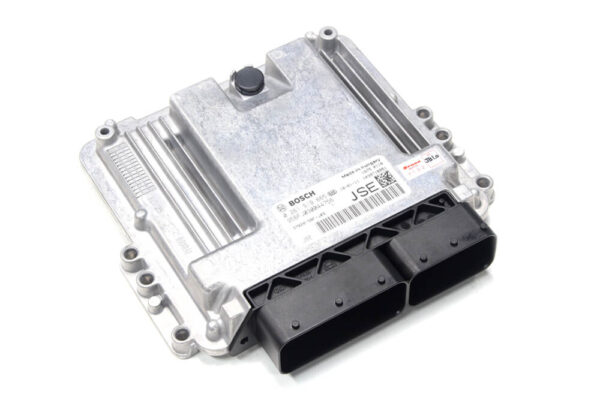
A remap appointment should not be held up by a missing or unsuitable file. Yet remap file turnaround times vary for good reason: the right calibration depends on the exact vehicle, ECU, software version and intended use. Fast matters, especially when a car is on the ramp or a working van needs to get back on the road. Accuracy matters more.
For motorists, the practical question is usually, "How long will my vehicle be off the road?" For dealers and workshops, it is often, "How quickly can I receive a file I can confidently write?" Both questions have the same answer: it depends on how complete and correct the information is before the file request is raised.
What remap file turnaround times actually cover
A file turnaround is not always the same as the full tuning job. It is the time between submitting a valid original ECU read with the required vehicle details and receiving a suitable modified file back. Reading the ECU, carrying out health checks, writing the file, clearing fault codes and road-testing where appropriate are separate parts of the workshop process.
On a straightforward, well-supported vehicle with a clean read, a performance or economy calibration can often be prepared promptly. However, that does not mean every file should be treated as an instant download. Modern ECUs carry different hardware numbers, software revisions, protection methods and checksum requirements. Two vehicles that look identical on the driveway can require different handling.
The best turnaround is therefore not simply the shortest possible number of minutes. It is a file that matches the vehicle correctly, writes cleanly and delivers the expected result without creating avoidable faults or drivability issues.
Why some files are ready faster than others
The ECU identification is the starting point. A complete read from a recognised tool gives the file provider the information needed to identify the calibration and its checksums. If the read is incomplete, corrupt, modified previously or taken using an unsuitable method, more investigation is needed before work can proceed.
Vehicle history can also affect the process. A car or van that has already been tuned may not contain its genuine original software. In that case, writing another modified file on top of an unknown calibration is not good practice. The file may need reviewing, comparing or returning to an appropriate original base before a new request can be handled properly.
Specialist requests take longer by nature. A sensible Stage 1 performance remap for a healthy standard vehicle is different from a request involving a hybrid turbo, upgraded intercooler, larger injectors or other mechanical changes. The calibration must suit the hardware and the vehicle's intended use, rather than chase a headline figure that the supporting parts cannot reliably sustain.
Some emissions-related requests also require a more careful assessment. DPF, EGR and AdBlue solutions supplied for off-road-only use need precise vehicle details and a clear understanding of the fault condition. A software change is not a substitute for diagnosing failed sensors, wiring faults, boost leaks or a mechanical issue. Where a problem has not been identified first, the quickest file is rarely the right answer.
The information that keeps a request moving
A quality file service relies on clean communication between the person with the vehicle and the person preparing the calibration. The more accurate the request at the outset, the less back-and-forth is needed while a vehicle occupies workshop space.
A dealer or technician should provide the original read, ECU identification and vehicle registration, along with the make, model, engine, gearbox type and model year. It also helps to state whether the vehicle is standard, previously tuned or fitted with performance hardware. Any existing diagnostic trouble codes, warning lights or known issues should be declared rather than worked around.
The intended outcome needs to be clear as well. A daily-driven diesel van used for tools and motorway miles may benefit most from stronger mid-range torque and improved drivability. A petrol hatchback used enthusiastically at weekends may have a different priority. An economy-focused calibration needs a different conversation from a performance request, even where the same engine is involved.
This is where vague requests cause delays. "Make it as strong as possible" is not useful technical instruction. It leaves unanswered questions about clutch condition, gearbox limits, mileage, modifications and how the vehicle is driven. A clear brief lets the file be built around a realistic target from the start.
Fast service should not mean rushed diagnostics
A remap cannot repair a vehicle that is already unhealthy. Before reading or writing an ECU, a competent workshop should check for relevant faults and assess the basics: battery voltage, engine warning lights, fluid condition where relevant, boost control and the condition of major intake components. On diesel vehicles, DPF loading and regeneration history may also need attention.
Low voltage is a common and avoidable risk. Interrupting a read or write because the battery is weak can create a much longer job than anyone planned for. Stable power support, current genuine tools and correct recovery procedures are part of protecting the ECU and keeping the job moving.
The same principle applies after the file arrives. The calibration should be written using the correct protocol, then checked. Fault codes should be reviewed rather than simply erased, and the vehicle should be assessed for the smooth throttle response, power delivery and general behaviour expected from the work. A file received quickly is only one part of a dependable remap.
What can delay a file request
Delays are usually traceable, not random. The most common causes are an unreadable or incorrectly named original file, missing ECU details, previous unknown tuning, an unsupported software version, or a request that conflicts with the vehicle's specification.
A customer may also arrive with a fault that changes the scope of the work. For example, a van with a recurring limp-mode issue may need diagnosis before any economy or torque remap is considered. Adding torque to an engine with an unresolved boost-control fault is not sensible. The right course can be to pause the tuning work, identify the cause and protect the customer from a poor result.
Occasionally, ECU security or a newly released software version means the vehicle needs a different reading method or further technical support. This is not a sign that the workshop is unprepared. Vehicle manufacturers regularly update control units, and responsible tuning work must keep pace with that development rather than force a process that is not suitable.
How drivers can help shorten the overall visit
For a vehicle owner, the simplest step is to be honest about its history. Mention any warning lights, recent repairs, mechanical modifications, previous remaps and symptoms such as smoke, poor starting, reduced power or excessive fuel use. These details help a specialist decide whether the car is ready to tune or needs investigation first.
Arrive with a properly charged battery where possible, and do not book a remap immediately after a serious fault has appeared. If the vehicle is a work van, explain the load it carries and the mileage it covers. Real-world use is valuable information when setting expectations around torque delivery and fuel economy.
At Swansea Remaps, the focus is on matching up-to-date genuine hardware, software and diagnostics with the right file for the vehicle in front of us. That approach may involve a few more checks than a quick generic flash, but it gives the customer a better chance of leaving with smoother driving, usable gains and confidence in the work carried out.
For dealers, consistency wins repeat business
Dealer-facing file support works best when the process is repeatable. Use a consistent naming format, retain original files securely, record the tool and protocol used, and keep notes against each vehicle. That makes it easier to revisit a job if a customer returns after a manufacturer update, hardware change or unrelated workshop repair.
It also protects reputation. Promising a customer an instant turnaround before the ECU has been identified can put unnecessary pressure on the workshop. A more professional position is to explain that a clean standard read is often handled promptly, while unusual vehicles, modified cars and specialist work may require extra time. Customers generally accept that when the reason is clear and the outcome is worth waiting for.
The strongest remap file turnaround times come from preparation, not shortcuts. Bring accurate vehicle information, deal with existing faults first and allow the calibration to be checked properly. That is how a tuning job stays efficient while still delivering the power, torque, economy or drivability improvement the vehicle was booked in for.
Results, compatibility and suitable options vary by vehicle, software version, mechanical condition and existing modifications. Always confirm the correct route for your own vehicle before work is carried out.