A van that keeps dropping into limp mode, throwing up a DPF warning and burning more fuel than it should is not just annoying - it costs time, jobs and money. When people search for a dpf fault solution off road, they are usually dealing with a diesel that has gone beyond the odd regeneration issue and moved into a pattern of repeated faults, poor drivability and rising repair bills.
That matters because a DPF problem is rarely just a blocked filter on its own. In many cases, the fault is the end result of how the vehicle is used, what other components are doing, and whether previous repairs have dealt with the cause rather than the symptom. If you get that wrong, you can spend heavily and still end up back where you started.
What a DPF fault usually means in the real world
The diesel particulate filter is there to trap soot and burn it off during regeneration. On paper, that sounds straightforward. In practice, short runs, stop-start driving, poor combustion, failed sensors and EGR-related issues can all stop the system working as intended.
For drivers and fleet users, the warning signs are usually obvious before the dashboard lights up fully. Fuel economy drops off. The fan may keep running after the engine is switched off. The vehicle can feel flat, hesitant or restricted under load. In more severe cases, it enters limp mode and becomes unreliable for day-to-day work.
This is where a lot of owners get frustrated. They may have already paid for forced regens, replacement sensors or workshop time, only to find the fault returns. That does not always mean the garage has done something wrong. It often means the root cause was broader than the single part that was replaced.
DPF fault solution off road - when people start looking beyond standard repair
A proper dpf fault solution off road usually comes into the conversation when a vehicle is stuck in a cycle of repeat DPF issues and conventional repair no longer makes financial sense. That tends to happen with higher-mileage vans, work vehicles or off-road-use applications where downtime is expensive and emissions system failures are recurring.
The key point is that off-road-only solutions are not a blanket answer for every diesel. Sometimes the right fix is still a standard repair. If the DPF has a minor soot loading issue, the pressure sensor pipe is split, or the vehicle simply needs a successful regeneration after being driven incorrectly for a long period, repairing the original system can be the sensible route.
Where it becomes less clear-cut is when the vehicle has already had repeated interventions, the filter is heavily restricted, related components are failing, and the owner is facing a chain of dealer-priced repairs. At that stage, people start looking at cost-effective alternatives, especially where the vehicle is not intended for road use.
Why DPF faults keep coming back
Recurring DPF faults usually point to one of three things. The first is usage pattern. If a diesel spends its life on short urban trips, low-speed site work or local stop-start runs, it may never complete regeneration properly.
The second is supporting faults elsewhere in the system. EGR issues, boost leaks, injector problems, thermostat faults, pressure sensor failures and temperature sensor faults can all interfere with regeneration. Replacing or cleaning the DPF without addressing these can produce only a temporary result.
The third is poor previous work. That can include low-quality parts, incomplete diagnostics or software changes carried out without proper checks. A fault code clear is not a fix. Neither is guessing and replacing parts until the warning light goes away.
This is why workshop-level diagnostics matter. Before any decision is made, the right process is to assess soot and ash loading, sensor behaviour, regeneration history and any underlying engine-management faults. Without that, you are spending money blind.
Repair, clean or remove - it depends on the vehicle and the use
There is no single answer that fits every car, van or 4x4. If the DPF is structurally sound and the rest of the system is healthy, cleaning or replacing the unit may restore proper operation. That is often the best path for road-going vehicles that need to remain fully emissions compliant.
If the vehicle is used off road only and the DPF system is creating persistent operational issues, an off-road-only solution may be considered. The benefit in those cases is not just removing a blocked component. It is also about recalibrating the engine management correctly so the vehicle is not trying to regenerate a system that is no longer in place.
That calibration work is where quality matters. A cheap file written badly can create more problems than it solves. You can end up with poor running, fault codes that never fully clear, excess smoke or other drivability issues. Proper equipment, genuine tools and file knowledge make a major difference.
What an off-road-only DPF solution should involve
A proper off-road-only DPF solution is not just a mechanical job and it is not just a software job. It needs both sides handled correctly. The vehicle should first be checked for wider engine faults, because no software file will fix a genuine boost leak, faulty injector or failed sensor elsewhere.
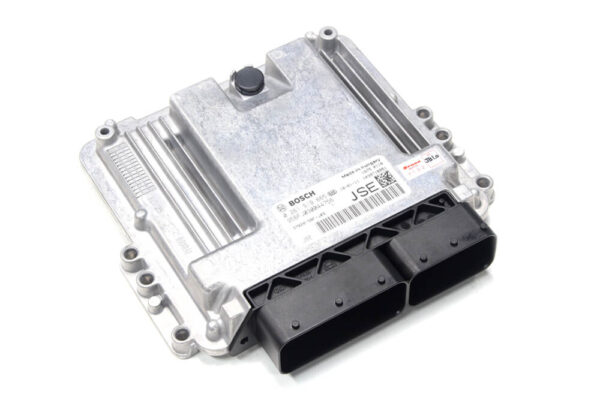
From there, the engine management side needs to be dealt with accurately so the ECU no longer requests regenerations or flags DPF-related strategies that are no longer relevant to the off-road setup. Done properly, this can resolve persistent DPF warning lights, limp mode behaviour and poor drivability linked to the failed system.
The commercial benefit is obvious for many owners. Instead of repeatedly paying for regens, diagnosis sessions and replacement emissions components, they get a clear route out of a recurring fault cycle for a vehicle used within off-road-only boundaries.
The legal point cannot be brushed aside
This is where a no-nonsense answer matters. DPF removal or disable solutions are for off-road use only. For vehicles used on public roads in the UK, emissions equipment rules apply, and ignoring that can create legal, MOT and insurance issues.
That is not scare talk. It is simply the reality. Any reputable tuning specialist should be clear about that from the start. If a vehicle is road-registered and road-used, standard repair remains the compliant route. If it is genuinely off-road only, the conversation is different.
Being upfront about legal boundaries protects both the customer and the workshop. It also filters out the wrong enquiries early, which saves time for everyone.
Who tends to look for this kind of solution
It is often tradespeople running diesel vans, site vehicles, 4x4 owners, agricultural users and higher-mileage diesel owners who have already had enough of repeated emissions faults. They are not usually chasing theory. They want the vehicle to start, pull properly, stop dropping into limp mode and stop eating into operating costs.
That is why the discussion needs to stay practical. The best solution is not the one with the most technical jargon. It is the one that matches the actual use of the vehicle, the condition of the hardware and the customer’s budget.
For some, that means restoring the original system properly. For others, particularly in off-road-only use cases, it means opting for a specialist file solution backed by proper diagnostics and workshop capability. Swansea Remaps works in exactly that space - clear outcomes, proper tools and no guessing.
Choosing the right workshop for a DPF fault solution off road
If you are considering a dpf fault solution off road, ask how the vehicle is diagnosed before any work is recommended. Ask whether genuine hardware and current software are used. Ask whether the workshop can deal with the wider engine-management picture rather than just one fault code.
Those questions matter because DPF faults often overlap with EGR, AdBlue, boost and sensor-related issues. A workshop that understands the full system is far more likely to get a dependable result than one offering a one-size-fits-all answer.
Price matters, but value matters more. A cheaper option that leaves underlying faults in place can become expensive very quickly. A proper solution should improve reliability, drivability and day-to-day usability, not just switch off a dashboard light for a few weeks.
If your diesel keeps suffering the same DPF trouble, the smartest next step is not another guess - it is a proper assessment of why the fault is happening and whether repair or an off-road-only solution is the right fit for how the vehicle is actually used.
Results, compatibility and suitable options vary by vehicle, software version, mechanical condition and existing modifications. Always confirm the correct route for your own vehicle before work is carried out.