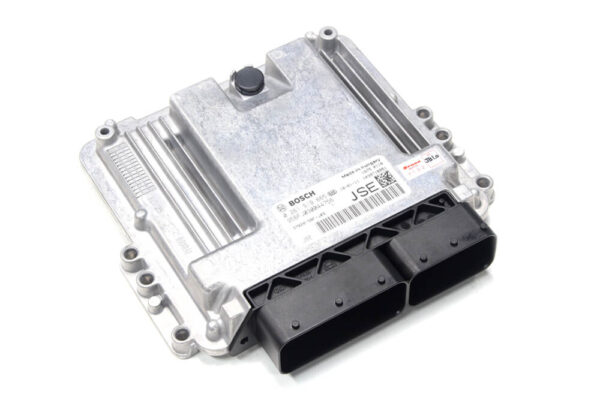
A dealer only needs one bad file to feel the cost of cutting corners. A car comes back with a warning light, a van feels flat where it should pull harder, or a customer asks why the promised gains never arrived. That is exactly why ecu file services for dealers matter. The right file support does more than process reads and writes. It protects your reputation, speeds up turnaround, and gives you the confidence to take on more work without gambling on quality.
For trade customers, file writing is not just a technical task. It is part of the service you sell under your own name. If your backend support is slow, inconsistent or too generic, your front-end business suffers. If your file provider understands diagnostics, hardware limits, emissions-related faults and real-world drivability, you can offer a stronger product with fewer headaches.
What dealers actually need from ECU file services
A dealer does not need vague claims or recycled files pushed through a queue. You need accurate file work that matches the vehicle, the customer brief and the condition of the car or van in front of you. That sounds obvious, but in practice it is where many dealer relationships fall apart.
A proper file service should account for the full picture: original read quality, ECU type, software version, vehicle use, supporting modifications and any existing faults. A Stage 1 file for a daily driven diesel used by a tradesperson is not the same job as a performance build for an enthusiast who wants every safe gain available. Equally, a fuel economy remap has a different target from a power-focused setup, even if both start from the same engine.
Good support also means being honest about limits. Some vehicles respond very well. Others need a more measured approach because of gearbox capacity, clutch condition, turbo health or known platform weaknesses. Dealers benefit most from file writers who are prepared to say, this one needs checking first, rather than pushing a file that creates problems later.
ECU file services for dealers and business growth
When dealers choose solid ECU file services for dealers, the biggest gain is often not just the map itself. It is the ability to scale without losing control. You can cover more vehicle applications, support a wider customer base and reduce the time spent second-guessing file quality.
That matters whether you are a mobile tuner, a garage adding remaps as a profit centre, or an established tuning business looking to increase volume. In each case, your margin depends on two things: getting the job done quickly and avoiding costly rework. A dependable file service supports both.
Turnaround is a big factor. Customers rarely want to leave a vehicle off the road for longer than necessary, especially van owners and fleet operators. If your file supplier responds quickly and correctly first time, you keep jobs moving. If you are left waiting hours for a basic amendment or chasing answers on a fault code issue, the whole day gets dragged down.
There is also the question of range. Many dealers win more work when they can say yes to a broader mix of vehicles. That includes common diesel and petrol applications, newer ECUs, gearbox tuning where relevant, and specialist off-road-only solutions for suitable use cases. If your file support is narrow, your business stays narrow too.
Why generic files cost more in the long run
Cheap file services can look attractive when you are comparing trade pricing. On paper, saving a few pounds per file seems sensible. In reality, the cheapest option often costs far more once customer expectations, technician time and comeback risk are factored in.
Generic files are one of the main problems. A file built with little regard for software version differences or vehicle condition can still flash successfully, but that does not mean it is right. You might get uneven power delivery, poor throttle response, smoke issues on diesel applications or fault-related behaviour that the customer notices within minutes.
That is where workshop-level understanding matters. A strong provider is not just editing torque and boost targets. They are looking at how the vehicle will behave on the road, what the ECU strategy is doing and whether there are obvious warning signs before the file is returned. It is not about chasing unrealistic figures. It is about delivering results the customer can feel and trust.
For dealers, that approach protects repeat business. Customers rarely talk about checksum correction or calibration structure. They talk about whether the car drives better, whether the van pulls harder with a load on board, and whether the fuel spend improves over time. Those are the outcomes that keep your name in good standing.
The value of diagnostics and in-house capability
The strongest dealer partnerships usually come from file providers who understand more than remote editing. If the people writing files also work around diagnostics, workshop processes and real vehicles, the support tends to be sharper.
That difference shows up when something is not straightforward. A vehicle may arrive with DPF issues, EGR faults, boost leaks, poor injector performance or existing software history. In those cases, a file alone is not always the full answer. Sometimes the right move is to pause, diagnose the fault path properly and make sure the vehicle is fit for tuning before changes are made.
That is one reason in-house capability matters. A tuning specialist with genuine hardware, up-to-date software and workshop experience is more likely to understand what dealers face day to day. The advice is usually more practical, and the files are more grounded in what works outside of a screen.
For trade customers, this can be the difference between a provider that merely sends files and one that genuinely supports your business.
Choosing a file partner for performance, economy and specialist work
Not every dealer serves the same market, so the right file service depends partly on the jobs you want to attract. Some dealers focus heavily on performance remaps for cars where stronger acceleration and sharper response are the priority. Others see more vans, fleet work and diesel applications where torque delivery, drivability and fuel economy matter most.
A capable provider should be able to support both without treating every request the same. Performance tuning needs safe, measured gains that suit the vehicle and any hardware changes. Economy-focused work needs calibration choices that improve efficiency without making the vehicle dull or awkward to drive. The best result is often a balanced file that gives better useable torque and smoother progress rather than headline numbers alone.
Specialist emissions-related solutions sit in a separate category and need to be handled with clarity. DPF, EGR, AdBlue, speed limiter and rev limiter solutions may be relevant in certain off-road-only applications, but the legal boundary must always be stated plainly. Serious providers do not blur that line. They make it clear what is road legal, what is not, and when a customer should be guided towards repair rather than deletion.
That clarity matters for dealers. It protects your business, avoids bad advice and keeps customer conversations straightforward.
What good dealer support looks like in practice
The best file services are easy to work with because they remove friction. You send a clean read, clear vehicle details and the job requirement. You get a file back promptly, with sensible guidance if the case needs extra checks. If revisions are needed, they are handled without drama.
Communication is part of the product. Dealers need answers they can use, not vague technical jargon that leaves them guessing. If a vehicle has known limitations, say so. If gains will be modest, say so. If a gearbox tune is advisable to make the most of an engine remap, explain why. Direct advice saves time and builds trust.
It also helps when the provider understands the commercial side. Dealers are not only chasing dyno figures. They are managing bookings, customer expectations and workshop capacity. Fast, reliable support helps you keep those plates spinning.
Swansea Remaps takes that trade-facing side seriously because dealer file work only has value if it performs consistently in the real world. That means accurate files, current tools, practical diagnostics thinking and support that respects your time as well as your margins.
The right file service should make your business easier to run
If a file partner creates uncertainty, delays or unnecessary risk, they are not really helping you grow. The right support should let you take on work with confidence, whether that is a straightforward Stage 1, an economy-focused van remap or a more specialist request that needs careful handling.
For dealers, the standard is simple. You need files that deliver measurable gains, suit the vehicle, and keep customer complaints to a minimum. Anything less eats into profit.
Choose a partner that treats every file as part of your reputation, because that is exactly what it is.
Results, compatibility and suitable options vary by vehicle, software version, mechanical condition and existing modifications. Always confirm the correct route for your own vehicle before work is carried out.