A remap that feels sharper for two weeks but brings warning lights, smoke or clutch slip later is not a good result. Choosing a Swansea tuning specialist is about finding a workshop that understands the vehicle behind the headline figures: its engine condition, use case, gearbox, mileage and existing faults.
The right calibration can make a car, van or pickup feel substantially stronger and easier to drive. More usable torque can improve overtaking, towing and loaded journeys, while an economy-focused remap can reduce the effort needed to keep a working vehicle moving. But software is only as good as the process behind it. The specialist should be focused on safe, measurable improvement rather than loading a generic file and hoping for the best.
Start with what you need from the vehicle
Be clear about the outcome before discussing BHP figures. A daily driver that spends most of its time in town needs a different approach from a performance car used on open roads, or a van that regularly carries tools and equipment across South Wales.
For many drivers, the biggest improvement is not maximum peak power. It is stronger mid-range torque, smoother throttle response and fewer gearchanges on hills or when joining faster traffic. A properly set-up economy remap may also improve drivability while helping to reduce fuel use, particularly on higher-mileage journeys. For enthusiasts, a performance remap should deliver power that is progressive and usable, not an aggressive spike that makes traction harder to manage.
Tell the tuner how the vehicle is used, whether it tows, its approximate mileage, any upgrades already fitted and whether it has developed faults. This lets them recommend the right route rather than sell the same outcome to every customer.
Choosing a Swansea tuning specialist with the right equipment
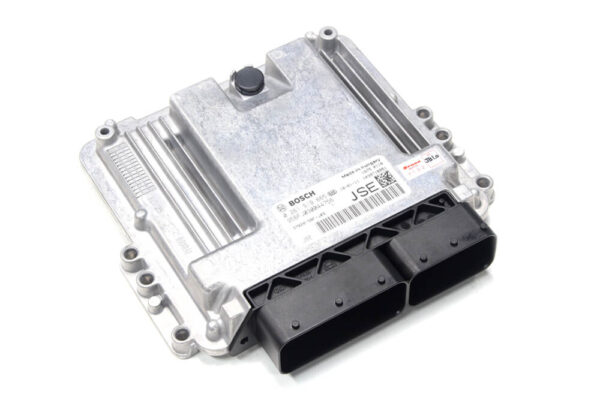
Modern ECU tuning is not a simple plug-in job. Manufacturers use increasingly complex engine management systems, security protections and control modules. A capable workshop invests in genuine, current diagnostic equipment and tuning tools, then keeps software coverage up to date.
That matters because the first job is understanding the vehicle's condition. A proper pre-tuning assessment should identify stored fault codes and look for problems that could affect the result. Common concerns include boost leaks, injector issues, sensor faults, turbo actuator problems, weak batteries and DPF-related faults. Remapping will not repair a mechanical defect. In some cases, adding torque to a vehicle with an unresolved fault will only make the issue more obvious.
Ask how the specialist assesses the car before calibration and whether they retain the original ECU file. A stock file backup gives a clear record of the starting point and provides an option to return the ECU to its original software where appropriate. It is basic professional practice, not an optional extra.
Workshop capability also makes a difference. An in-house environment supports controlled diagnostics, careful programming and proper checks after the work is complete. Mobile tuning can be convenient in the right circumstances, but there are times when a vehicle needs workshop-level investigation before any software change should be considered.
Look beyond the biggest claimed gains
Every engine responds differently. Factory power can vary, mileage and servicing history matter, and supporting components affect what is sensible. A credible specialist will discuss expected gains as a realistic range and explain the factors that may limit them.
Be wary of one-size-fits-all claims, especially if no one has asked about the vehicle. The strongest calibration is not automatically the best calibration. Excess torque can expose a worn clutch, place additional demand on a gearbox or highlight weaknesses elsewhere in the drivetrain. On a diesel, torque delivery needs to be controlled carefully to retain smoothness and protect components.
Good tuning should feel engineered into the vehicle. The throttle should be predictable, power delivery should be clean and the vehicle should drive better in the situations that matter to you. For a tradesperson, that may be pulling from low revs with a load aboard. For an enthusiast, it may be a stronger, more responsive pull through the middle of the rev range.
Calibration quality matters more than a generic file
The ECU controls far more than fuelling. Depending on the vehicle, a calibration can influence boost targets, torque monitoring, injection timing, throttle request, gearbox interaction and protective strategies. Changes need to work together rather than chase a single number.
A specialist should be able to explain the intended result in plain English. You do not need a lecture on every ECU map, but you should understand whether the software is being tailored for performance, economy, towing or a particular issue. Clear answers are a sign that the person doing the work understands the file and the vehicle, rather than simply acting as a download point.
Check how they handle emissions-system faults
DPF, EGR and AdBlue faults can be frustrating, particularly when a vehicle is repeatedly entering reduced-power mode or interrupting work. The correct first step is diagnosis. Fault codes provide a starting point, but they do not always reveal the root cause. A DPF warning, for example, may be linked to pressure readings, incomplete regeneration, sensor faults, short journeys or another engine-management issue.
A trustworthy tuner separates legal road-going repair options from specialist off-road-only solutions. DPF, EGR and AdBlue removal or deletion is not suitable for vehicles used on public roads. These systems are part of a vehicle's emissions equipment, and altering or removing them for road use can create legal and MOT problems.
That boundary should be stated plainly. If a vehicle is strictly for off-road, competition or other permitted non-road use, specialist software options may be discussed for that application. If it is a road vehicle, choose a provider who helps you understand the fault and pursue an appropriate, legal route rather than brushing aside the consequences.
Ask what happens after programming
Programming the ECU is not the final standard of service. The vehicle should be checked after the work, including a scan for faults and confirmation that it starts, runs and responds correctly. Depending on the job, further assessment may be needed to ensure requested torque, boost and operating values are behaving as expected.
You should also know who to contact if a warning light appears or you have a question after collection. No reputable workshop can promise that an unrelated part will never fail later, especially on an older or hard-worked vehicle. What matters is whether the specialist will take the issue seriously, assess whether it is related and provide clear technical advice.
Ask about the warranty position too. Vehicle manufacturer warranties, finance agreements and insurance requirements can all be affected by modification. You should declare performance changes to your insurer, and it is sensible to check any agreement that applies to the vehicle before booking. A professional tuner will not pretend these considerations do not exist.
Reputation should be specific, not vague
Reviews can help, but read them for detail. The useful feedback explains what vehicle was tuned, why the owner chose the service and how it drove afterwards. Pay attention to comments about communication, diagnostics, problem solving and aftercare, not just comments saying a vehicle is “fast”.
It is also worth considering whether the business serves both retail drivers and trade customers. A tuning provider trusted to supply technical file solutions to other automotive professionals generally needs dependable processes, accurate software handling and support when a vehicle presents an unusual challenge. That does not replace your own checks, but it can be a useful sign of technical depth.
For Swansea drivers, Swansea Remaps combines up-to-date genuine hardware and software with in-house diagnostics and workshop support. That approach is particularly valuable when the vehicle needs more than a standard performance request, such as investigating an engine-management fault before deciding whether tuning is appropriate.
The right decision starts with an honest conversation
A good specialist will sometimes tell you to fix something first, choose a milder calibration or leave the vehicle standard. That is not a missed opportunity. It is evidence that the workshop is protecting the vehicle and its reputation.
Before booking, have a direct conversation about your goals, the vehicle's history and any warning lights or driveability issues. Choose the tuner who asks the right questions, explains the practical trade-offs and treats your vehicle as a machine to improve properly, not just another registration number to process.
Results, compatibility and suitable options vary by vehicle, software version, mechanical condition and existing modifications. Always confirm the correct route for your own vehicle before work is carried out.