If your van or diesel car has dropped into limp mode because of an SCR warning, you are not dealing with a small inconvenience. You are dealing with a system fault that can trigger countdown starts, restrict power and leave a working vehicle unreliable when you need it most. That is why adblue fault removal off road is a subject many owners start looking at once repeated repairs, sensor failures or NOx-related faults turn into a money pit.
This is also where clarity matters. There is a big difference between diagnosing a fault properly, repairing the original system, and applying an off-road-only software solution where that use case is lawful and appropriate. For owners, fleets and trade customers, the right route depends on the vehicle, the fault pattern, the intended use, and the legal boundary.
What an AdBlue fault usually means
On modern diesel vehicles, AdBlue is part of the SCR system designed to reduce NOx emissions. When the system is working properly, it is just another part of the vehicle’s emissions setup. When it starts failing, it can create faults that are expensive, persistent and frustratingly inconsistent.
In practical terms, the problem is often not the fluid itself. It can be a failed NOx sensor, a faulty pump, a heater issue, a blocked injector, poor wiring, a tank sender fault or software logic that keeps re-triggering warnings even after parts have been replaced. Some vehicles become known for repeat SCR faults, especially where short journeys, heavy commercial use or age start to expose weak components.
For the driver, the symptoms are usually simple enough. Engine management lights appear, AdBlue warnings stay active, restart countdowns begin, and drivability can suffer. For a tradesperson, courier or fleet operator, that means downtime, missed work and another bill with no guarantee the fault will stay gone.
AdBlue fault removal off road - what it actually is
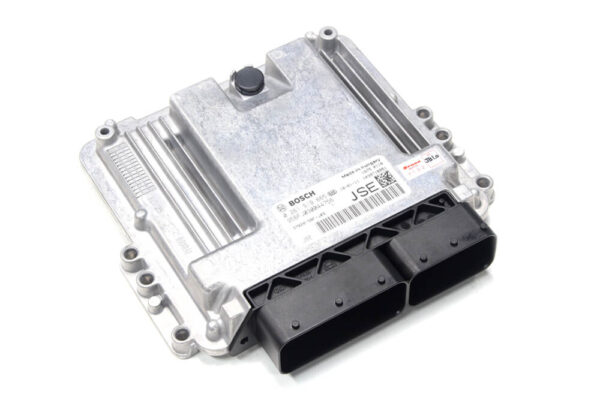
AdBlue fault removal off road refers to a specialist ECU file solution that disables the software side of the AdBlue and SCR system for vehicles used strictly off public roads. It is not a bottle additive, not a dashboard reset and not a guesswork fix. It is a calibration-based software change carried out using proper tuning and diagnostic equipment.
The aim is straightforward. Where an off-road vehicle is suffering repeated SCR-related issues, the file solution removes the fault strategy and prevents the recurring warnings, power restrictions and no-start countdown behaviour linked to that system.
That matters most on vehicles used in environments where uptime is critical and road use is not part of the job. Agricultural machinery, site vehicles and some specialist-use platforms are the obvious examples. In those cases, owners are often less concerned with preserving a troublesome emissions system and more concerned with keeping equipment operational.
Why some owners look beyond standard repair
Dealer-level repairs can be the right answer, especially where a vehicle remains fully road-legal and the owner wants the original system functioning as designed. But the reality is that SCR repairs are not always clean, one-time fixes.
A vehicle may need one sensor, then another. It may have a pump fault, then a communication fault. A tank or dosing module replacement can run into serious money, particularly on larger vans and commercial vehicles. Add labour, diagnostics and repeat visits, and the costs stack up quickly.
That is why some owners start asking harder questions. If the vehicle is for off-road use only, is it worth continuing to spend on a system that has already proved unreliable? If the machine’s priority is dependable operation rather than emissions compliance for road use, a specialist file solution may be the more practical option.
It depends on the use case. That point is non-negotiable.
The legal position matters
This is where there should be no vague wording. AdBlue fault removal off road is for off-road use only. It is not for vehicles used on public roads, and any responsible tuning specialist should be clear about that from the start.
For road-going vehicles in the UK, emissions systems form part of the vehicle’s compliance requirements. Removing or disabling them for road use creates obvious legal and testing implications. If a vehicle is used on the public highway, the correct route is to diagnose and repair the fault properly.
That is why a serious workshop will not blur the line. The software capability may exist, but the application has to match lawful use.
Why proper diagnostics still come first
Even when a vehicle is destined for off-road-only use, proper diagnostics still matter. You do not want to assume every warning is an SCR problem if there is also a genuine fuelling, boost or wiring issue in the background.
A workshop-led approach should identify fault codes, check live data, assess the ECU strategy and confirm the symptoms match the system being addressed. That is especially important on commercial diesels, where multiple faults can overlap and one issue may mask another.
This is also where quality separates file writing from file guessing. Updated software, genuine hardware and workshop-level diagnostic process are what make the outcome dependable. Without that, you risk incomplete fault removal, poor drivability or an ECU file that creates more problems than it solves.
What the process usually involves
In most cases, the vehicle’s ECU data is read, the relevant calibration is modified, and the updated file is written back with the correct tools. The purpose is to switch out the AdBlue and SCR fault handling logic so the recurring warnings and associated restrictions are no longer active in off-road-only applications.
This is not the same as unplugging components and hoping for the best. A proper solution is software-led and vehicle-specific. Some platforms are straightforward. Others need a more careful approach because of the ECU type, the fault structure or how the manufacturer has integrated NOx and SCR monitoring into the wider engine management strategy.
That is why experience counts. A generic approach can leave unresolved faults, warning messages or poor behaviour after programming. A proper file solution should be stable and matched to the vehicle in front of you.
AdBlue fault removal off road for vans and working vehicles
The biggest interest often comes from van owners, trade users and fleet operators. That makes sense. A failed SCR system on a work van is not just a nuisance on the dash. It can stop a vehicle earning money.
For these users, the appeal is rarely about performance. It is about uptime, predictability and avoiding repeat expenditure on a known weak point. If a van is used in a controlled off-road environment, the question becomes commercial rather than cosmetic. What keeps the vehicle usable with the least disruption and the most reliable outcome?
That said, not every van with an AdBlue warning needs an off-road file solution. Some are fixed perfectly well with the right part, fitted properly, and supported by correct coding and diagnostics. Others have had multiple repair attempts and still come back with the same fault pattern. That is where context matters more than theory.
Choosing a specialist instead of taking chances
This type of work should never be treated like a cheap, generic download. The better route is always a specialist with up-to-date equipment, accurate diagnostics and real knowledge of the platform involved.
That matters for two reasons. First, you want the software written correctly. Second, you want honest advice on whether the vehicle should be repaired, recalibrated for off-road use, or investigated further before any programming is considered.
A workshop such as Swansea Remaps is built around that practical approach - diagnose properly, use genuine tools, and focus on a result that actually solves the customer’s problem rather than just clearing the warning light for a week.
When repair is the better answer
It is worth saying plainly that off-road software is not automatically the best answer just because the repair bill looks painful. If the vehicle is road-going, repair is the right answer. If the SCR issue is minor and the fix is straightforward, repair may also be the smarter financial choice even before legal considerations come into play.
Likewise, if the fault is actually caused by another engine issue, masking the symptom will not help. A poor-quality repair and a poor-quality file are equally bad outcomes. The best result comes from understanding the vehicle properly before making the call.
Owners usually appreciate straight talking here. There is no benefit in overselling one route when the real answer depends on how the vehicle is used and what condition it is in.
The right decision is the one that fits the vehicle, the budget and the legal use case. If your diesel is suffering repeat SCR and AdBlue faults, start with proper diagnostics and a realistic conversation about whether repair or an off-road-only solution makes the most sense.
Results, compatibility and suitable options vary by vehicle, software version, mechanical condition and existing modifications. Always confirm the correct route for your own vehicle before work is carried out.