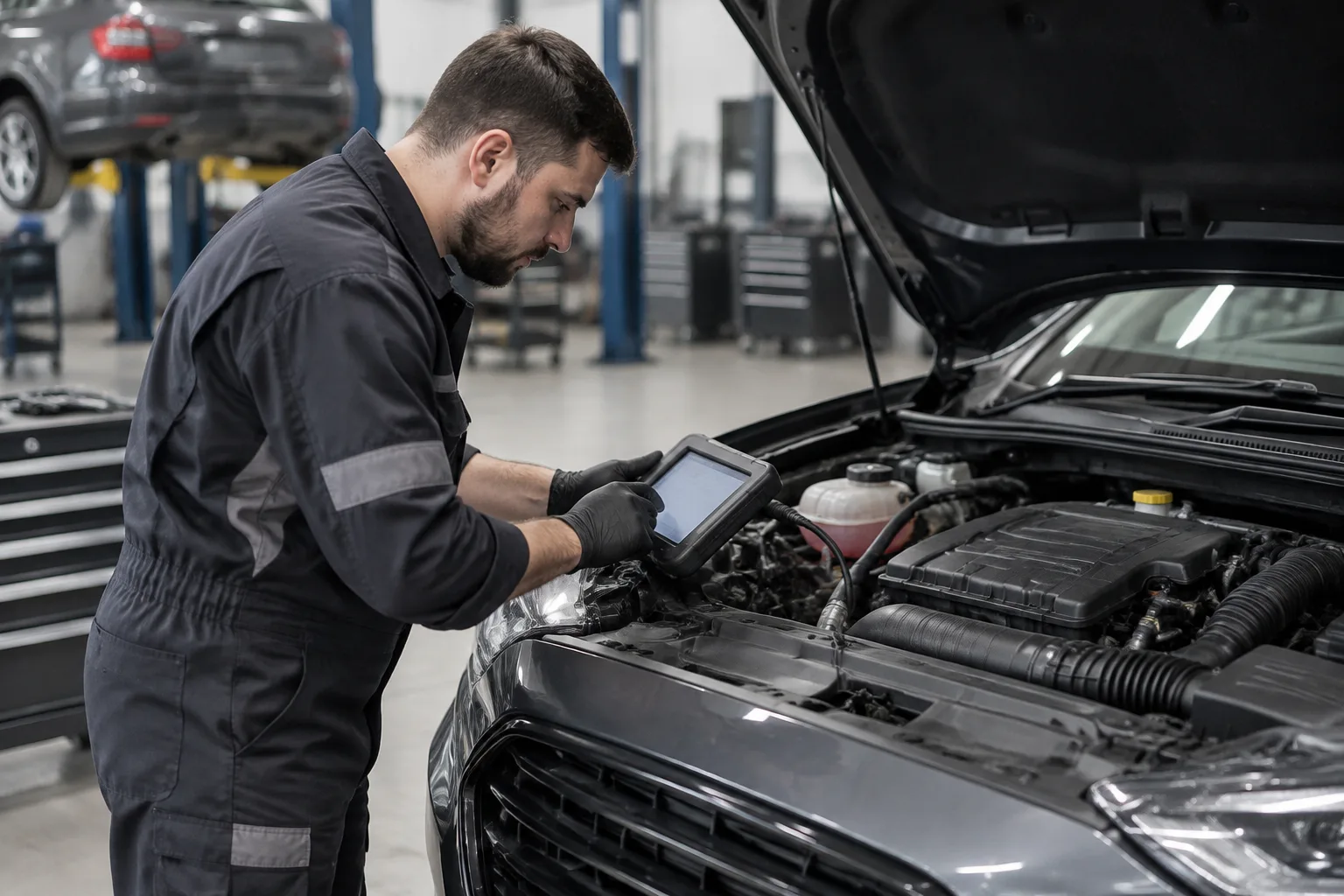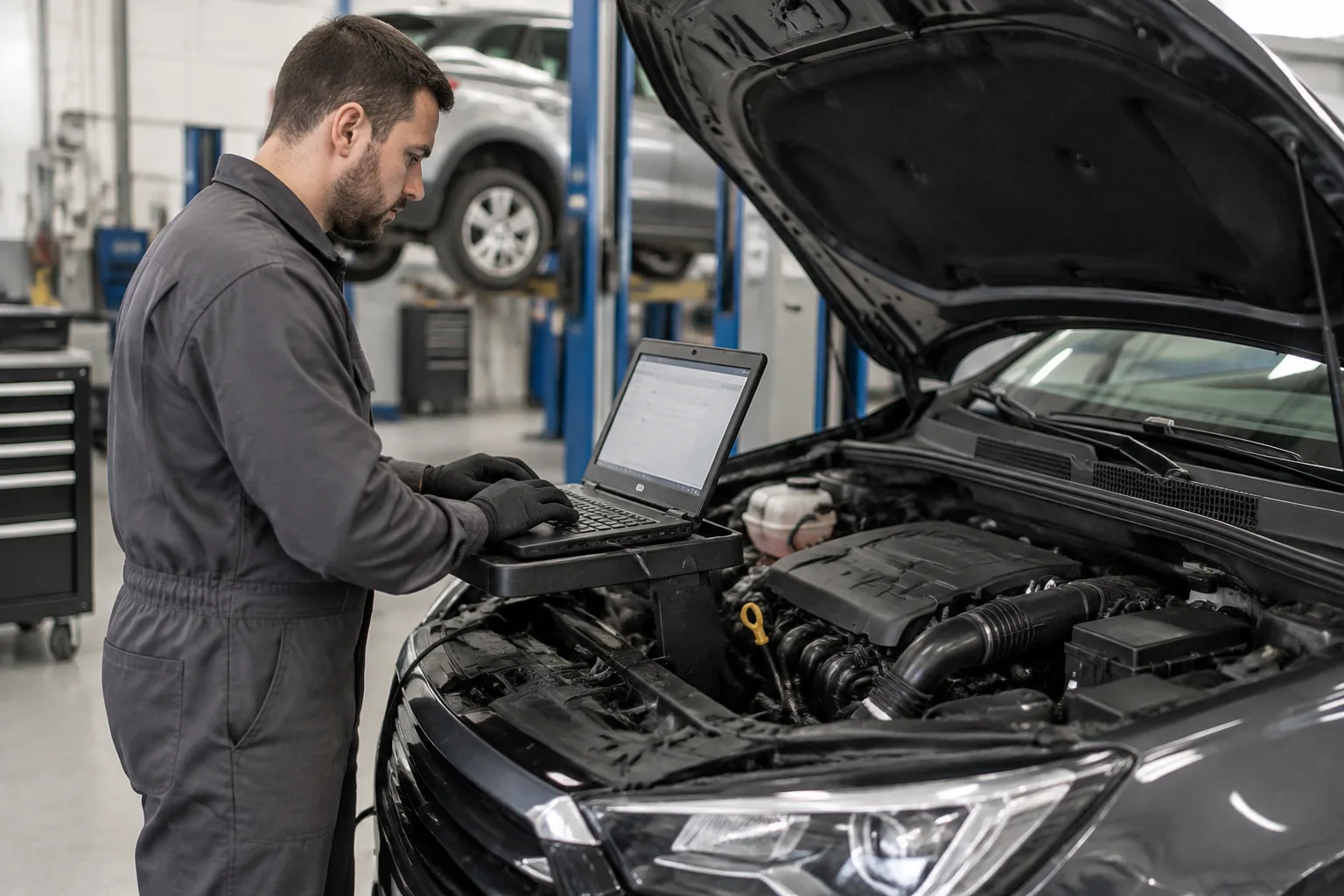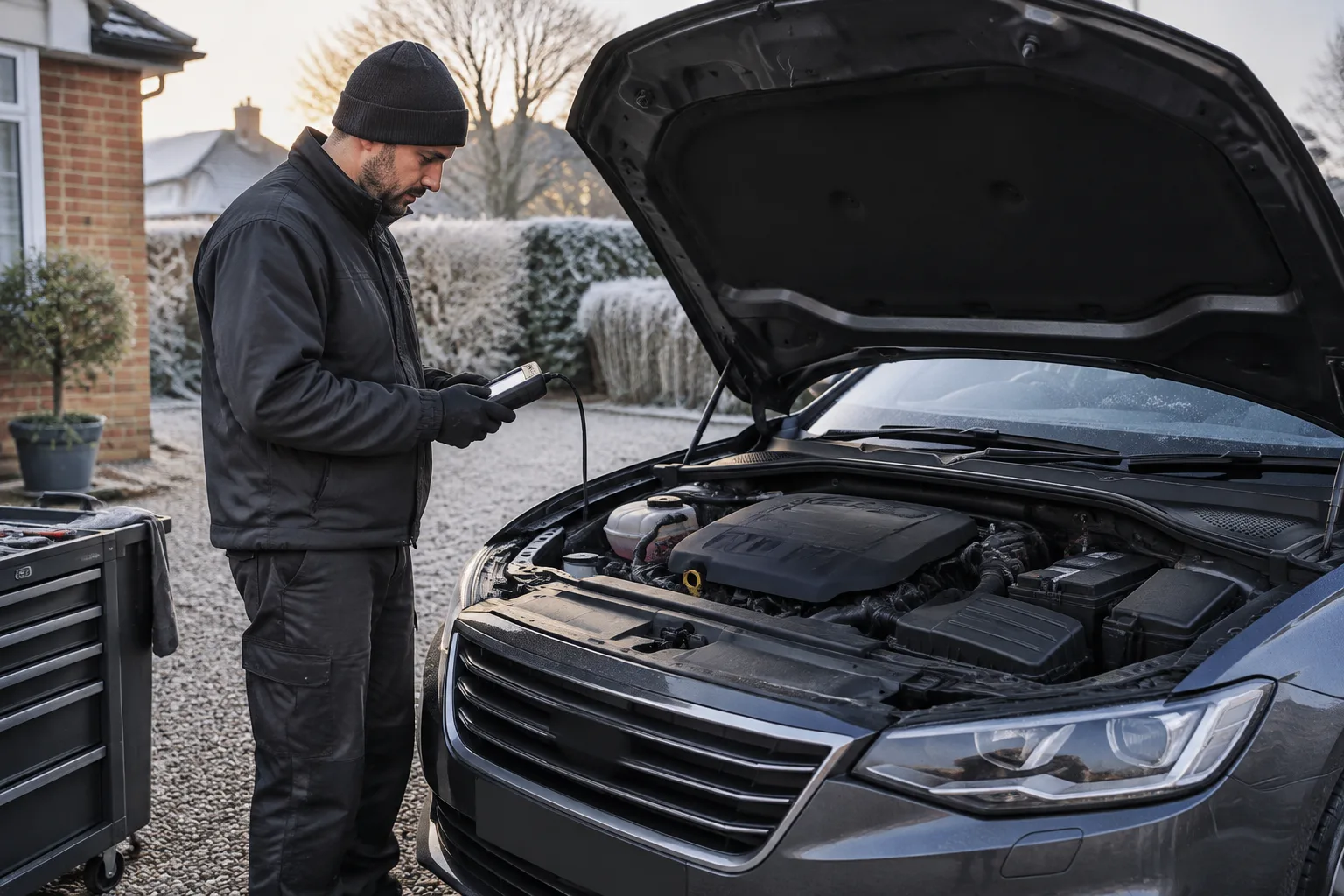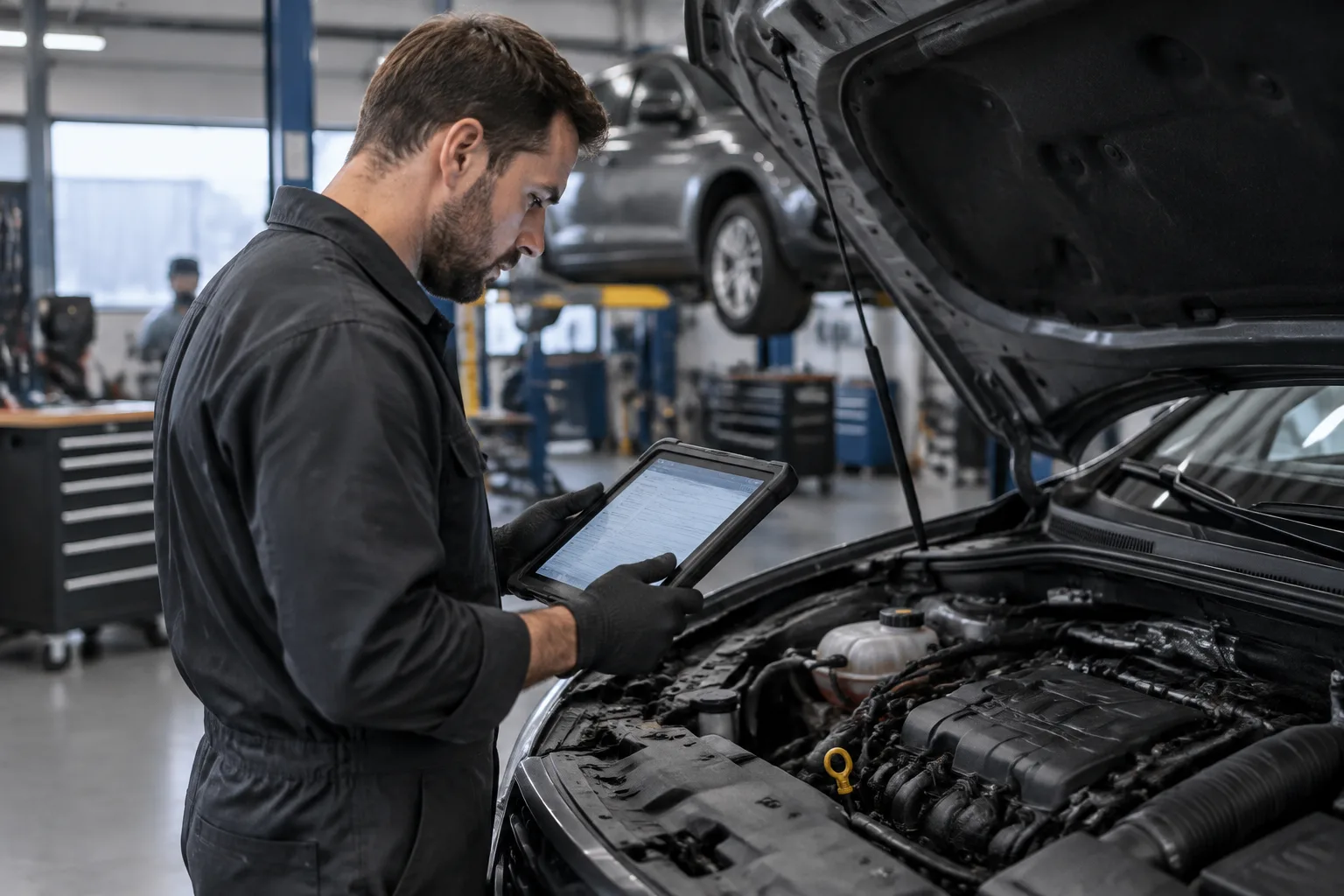
What does DPF differential pressure mean? DPF differential pressure measures the exact difference in exhaust gas pressure between the upstream side (directly before the particulate filter) and the downstream side (after the filter). Monitored via an electronic differential pressure sensor, this metric allows technicians to quantify soot restriction, evaluate filter health, and determine whether a diesel particulate filter is functioning normally, becoming blocked, or suffering from sensor drift.
When a diesel vehicle triggers a dashboard warning light or enters a restricted performance mode, professional technicians rarely rely on guesswork. Instead, they plug diagnostic equipment into the vehicle's OBD-II port to examine live data streams. Understanding these pressure values helps drivers appreciate why a simple code clearance rarely fixes a persistent DPF problem, and why proper lawful diagnosis is essential for long-term engine health.
What Is DPF Differential Pressure?
The DPF differential pressure system measures the exact difference in exhaust gas pressure between two specific points: directly before the particulate filter (upstream) and directly after it (downstream). This measurement is taken by a differential pressure sensor connected via small metal or silicone pipes to the exhaust housing.
As exhaust gases flow through the microscopic honeycombed channels of the DPF, soot and ash particles are trapped. When the filter is clean and unrestrictive, gases flow through easily, resulting in a very small pressure difference between the inlet and outlet. However, as soot accumulates over miles of driving, the filter becomes denser. This restriction causes pressure to build up on the upstream side of the filter while dropping on the downstream side. The wider the gap between these two pressure points, the higher the differential pressure reading.
Interpreting DPF Pressure Readings: Idle vs. Load
A single static number rarely tells the whole story. Professional diagnostic procedures evaluate differential pressure across different operational states, typically comparing idle to a sustained high-rpm load.
| Operational State | Typical Normal Range | Diagnostic Indication of Restriction |
|---|---|---|
| Engine Idle (approx. 800–900 RPM) | Less than 5 to 10 mbar (millibars) | Readings consistently above 25–35 mbar at idle often point to high soot loading or a blocked core. |
| Elevated Cruise / 2,500 RPM (No Load) | Generally under 30 to 50 mbar | Rapid spikes exceeding 150–200 mbar under load indicate significant flow restriction. |
It is important to note that exact threshold figures vary depending on engine displacement, manufacturer specifications (such as VAG, Ford, or BMW technical data), and exhaust system architecture. Comparing live sensor data against factory reference values is a vital step in accurate troubleshooting.
What Causes Abnormal DPF Pressure Readings?
When live diagnostics reveal abnormal pressure data, it does not automatically mean the filter itself is permanently ruined. A thorough investigation looks at several potential root causes:
- Natural Soot Accumulation: Routine urban driving prevents exhaust gas temperatures from reaching the levels required for passive regeneration, leading to normal soot buildup.
- Failed Active Regenerations: Underlying issues—such as a faulty coolant thermostat preventing the engine from reaching operating temperature, glow plug circuit faults, or frequent short journeys—can inhibit the engine management system from initiating a routine burn cycle.
- Faulty Sensor or Blocked Pipes: Sometimes the physical DPF filter is healthy, but the differential pressure sensor itself has drifted out of calibration, or the rubber/metal sampling pipes are choked with carbon or moisture.
- Downstream Engine Inefficiencies: Excessive oil ash accumulation from using incorrect engine oil specs, or unburnt fuel washing down the cylinders due to fuel injector leaks, can accelerate filter saturation. Similar to how a sticking turbo actuator alters boost pressure and combustion efficiency, related air-path faults can quickly alter exhaust dynamics.
Why Diagnostic Evidence Matters Before Repair
For vehicle owners facing engine management lights or reduced performance, understanding these metrics underscores why professional diagnostic work is indispensable. For instance, if an engine loses power progressively during a journey, drivers often wonder why a car loses power when warm, which requires checking fuel delivery, turbo operation, and exhaust backpressure simultaneously.
Similarly, intermittent faults can be frustrating. Even if an engine management light went off spontaneously, stored freeze-frame data and historical pressure logs in the ECU can reveal whether the DPF system is repeatedly struggling to complete regeneration cycles.
Frequently Asked Questions
Can I drive with high DPF differential pressure?
Continuing to drive long distances with excessively high differential pressure risks severe backpressure, which can damage the turbocharger turbine housing, force exhaust gases past piston rings, or cause the filter core to melt or fracture. It should be investigated promptly.
Does a high pressure reading mean my DPF needs replacing?
Not always. High readings often reflect heavy soot or ash accumulation that can be addressed via professional forced regeneration or specialized cleaning services, provided the internal ceramic substrate is structurally sound and underlying engine faults are resolved.
Why does my car smell like diesel after a failed regeneration attempt?
If an active regeneration is interrupted mid-cycle by turning off the ignition, unburnt post-injection fuel can linger in the exhaust system or oil sump. If you notice persistent odors, check our guide on what to check regarding a diesel exhaust smell in the cabin.
Professional DPF Support in South Wales
If your diesel vehicle is displaying DPF warnings, limp mode symptoms, or erratic diagnostic codes across Swansea, Neath, Port Talbot, or surrounding South Wales areas, expert help is close at hand. At Swansea Remaps, our comprehensive ECU and DPF diagnostic support services focus on identifying the root cause of exhaust restrictions to restore vehicle performance safely and lawfully.
References and Further Reading
- Manufacturer Technical Specifications (VAG, Ford, BMW Diesel Exhaust Aftertreatment Systems)
- OBD-II Live Data Diagnostics & Exhaust Backpressure Standards
Results, compatibility and suitable options vary by vehicle, software version, mechanical condition and existing modifications. Always confirm the correct route for your own vehicle before work is carried out.