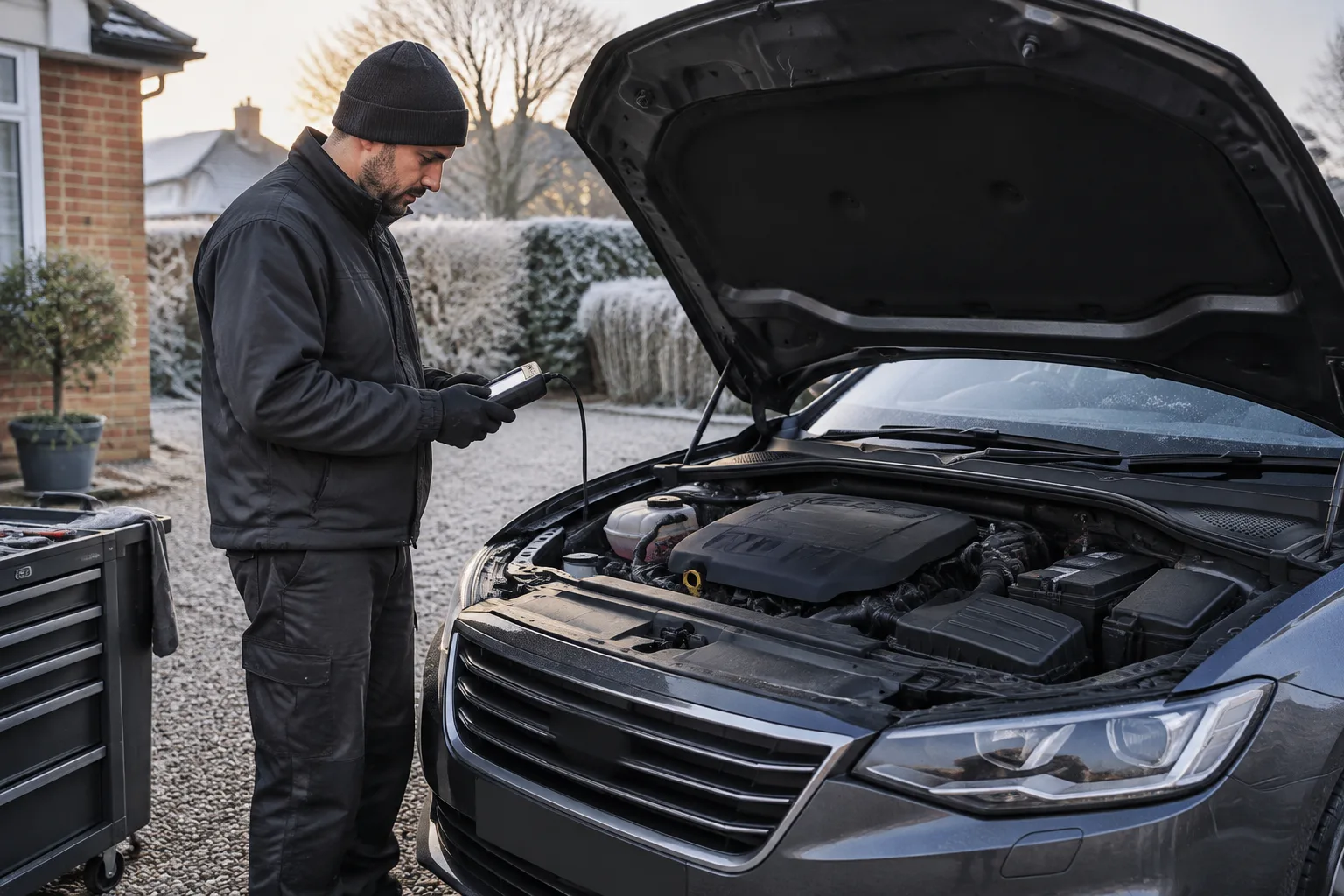
As temperatures drop across South Wales, diesel vehicle owners often notice a sudden spike in warning lights, sluggish performance, or persistent DPF notifications. A common question drivers ask during the winter months is: can cold weather stop DPF regeneration? The short answer is yes—while freezing temperatures do not stop the regeneration process entirely by chemical design, ambient cold makes it significantly harder for your engine to reach and maintain the high exhaust gas temperatures required to burn off accumulated soot.
Understanding how winter weather interacts with your exhaust aftertreatment system can save you from a costly forced regeneration or a blocked filter. Below, we examine why cold weather interferes with diesel particulate filter (DPF) cycles and outline what components you should check when your vehicle starts acting up during winter.
Direct Answer: Does Winter Weather Stop DPF Regeneration?
Freezing ambient temperatures do not chemically stop DPF regeneration, but they prevent your engine from reaching the necessary operating thresholds. Active regeneration requires exhaust gas temperatures of roughly 600°C. In sub-zero weather, cold air cooling the exhaust pipes combined with short urban commutes makes it extremely difficult for the engine control unit (ECU) to initiate or successfully complete a regeneration cycle.
How DPF Regeneration Works (And Why Heat Is Critical)
To understand winter DPF issues, it helps to revisit the basics of how a diesel particulate filter cleans itself. A DPF traps microscopic soot particles from diesel combustion. To prevent the filter from clogging, the engine management system periodically initiates regeneration by raising exhaust temperatures to roughly 600°C or higher. At this temperature, trapped soot is oxidized and converted into a tiny amount of ash.
There are two primary types of regeneration:
- Passive Regeneration: Occurs naturally during extended motorway or dual-carriageway driving when exhaust gas temperatures stay naturally high.
- Active Regeneration: Triggered automatically by the engine control unit (ECU) when soot loading reaches a specific threshold, injecting extra fuel to artificially spike exhaust temperatures.
Both processes rely on thermal energy. When ambient temperatures plummet near or below freezing, fighting that environmental chill requires considerably more engine load and fuel.
Why Cold Weather Interferes with Regeneration Cycles
Low winter temperatures disrupt DPF cycles through several cascading mechanical and thermal factors:
1. Slow Engine Warm-Up Times
In freezing weather, engine blocks, coolant, and engine oil take much longer to reach their optimal operating temperatures. Because modern diesel engines are thermally efficient, they generate less waste heat at idle or low speeds. If your commute is short, your engine may never get warm enough for the ECU to even consider initiating an active regeneration cycle.
2. Thermostat Failures Keeping Coolant Cold
Many drivers mistake weather-related cold for a mechanical fault. If your vehicle’s thermostat is stuck open, coolant continuously circulates through the radiator. In winter, this prevents the engine from ever reaching its proper operating temperature—usually around 85°C to 90°C. If coolant temperature remains low, the ECU will systematically block active DPF regeneration as a protective measure to avoid thermal shock or incomplete combustion issues.
3. Shorter, Urban Winter Journeys
Drivers tend to use shorter, stop-start routes during cold, wet, or icy weather. Stop-start traffic prevents sustained high exhaust temperatures. Without prolonged higher speeds, soot builds up faster than the vehicle can burn it off, leading to rapid filter saturation.
DPF Regeneration vs. Winter Conditions: Quick Reference
| Operating Condition | Normal / Summer Behavior | Cold Weather Impact |
|---|---|---|
| Engine Warm-Up Time | Reaches 90°C quickly; ECU allows active regen readiness. | Extended warm-up times; ECU blocks regen due to low temperatures. |
| Exhaust Gas Temp | Maintains baseline warmth easily during normal driving. | Rapid heat dissipation; requires higher load to hit 600°C. |
| Commute Profile | Mixed driving supports natural passive burn-off. | Short urban runs accelerate soot accumulation. |
What Diesel Drivers Should Check When Cold Weather Triggers DPF Warnings
If your diesel vehicle displays a DPF warning light or goes into limp mode during cold snaps, do not just assume it is the weather and ignore it. Systematic diagnostic checks can identify underlying faults that winter weather exposes:
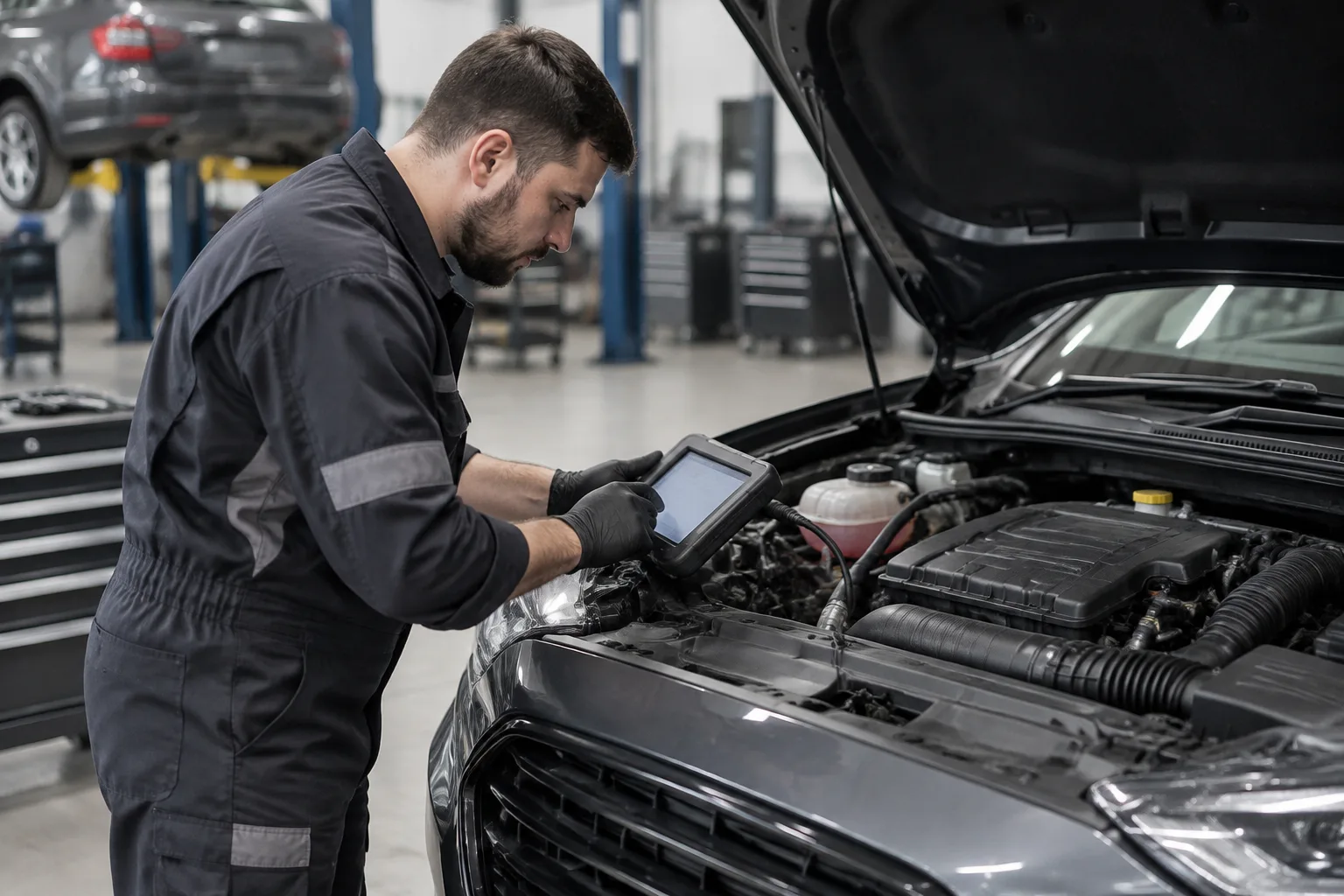
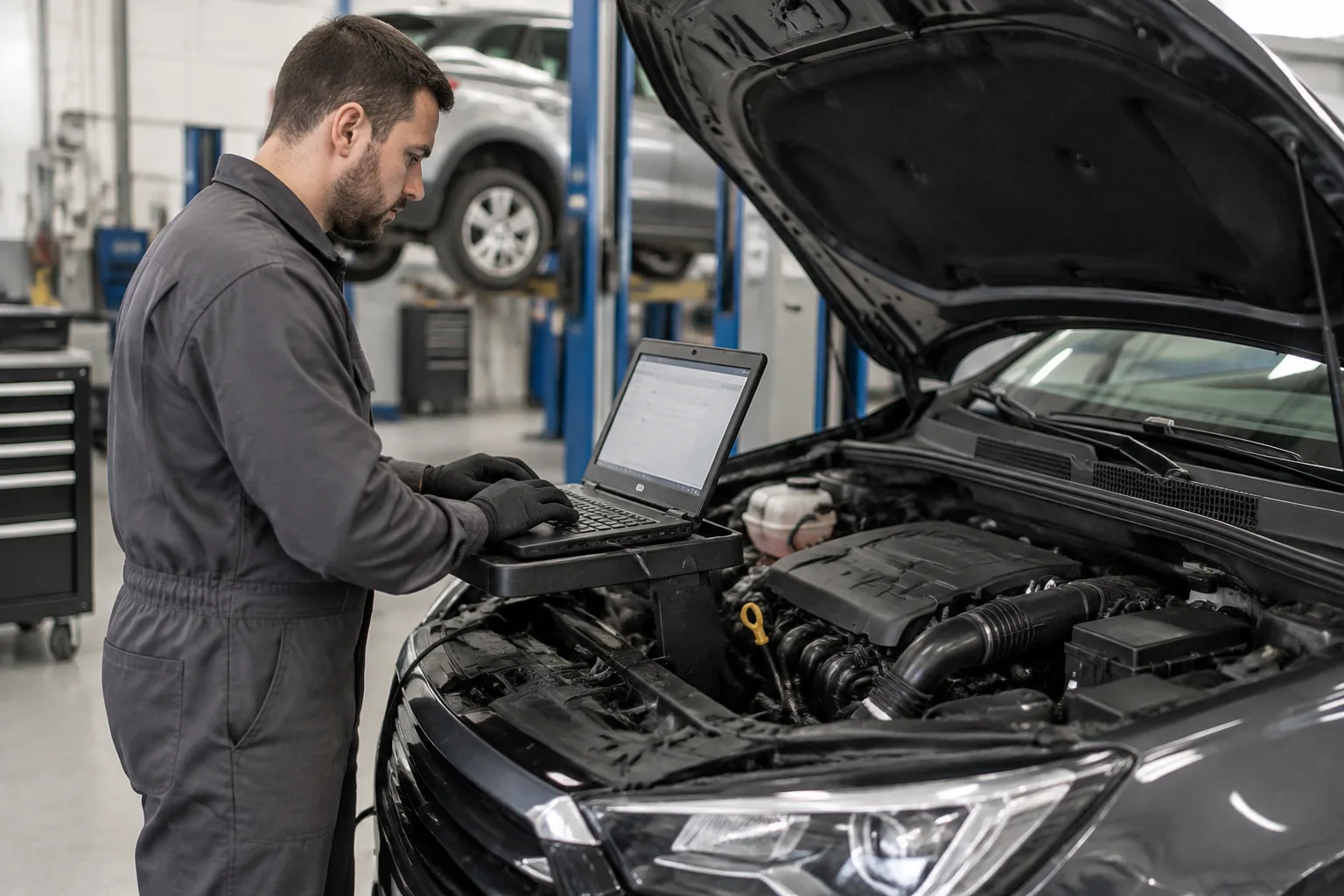
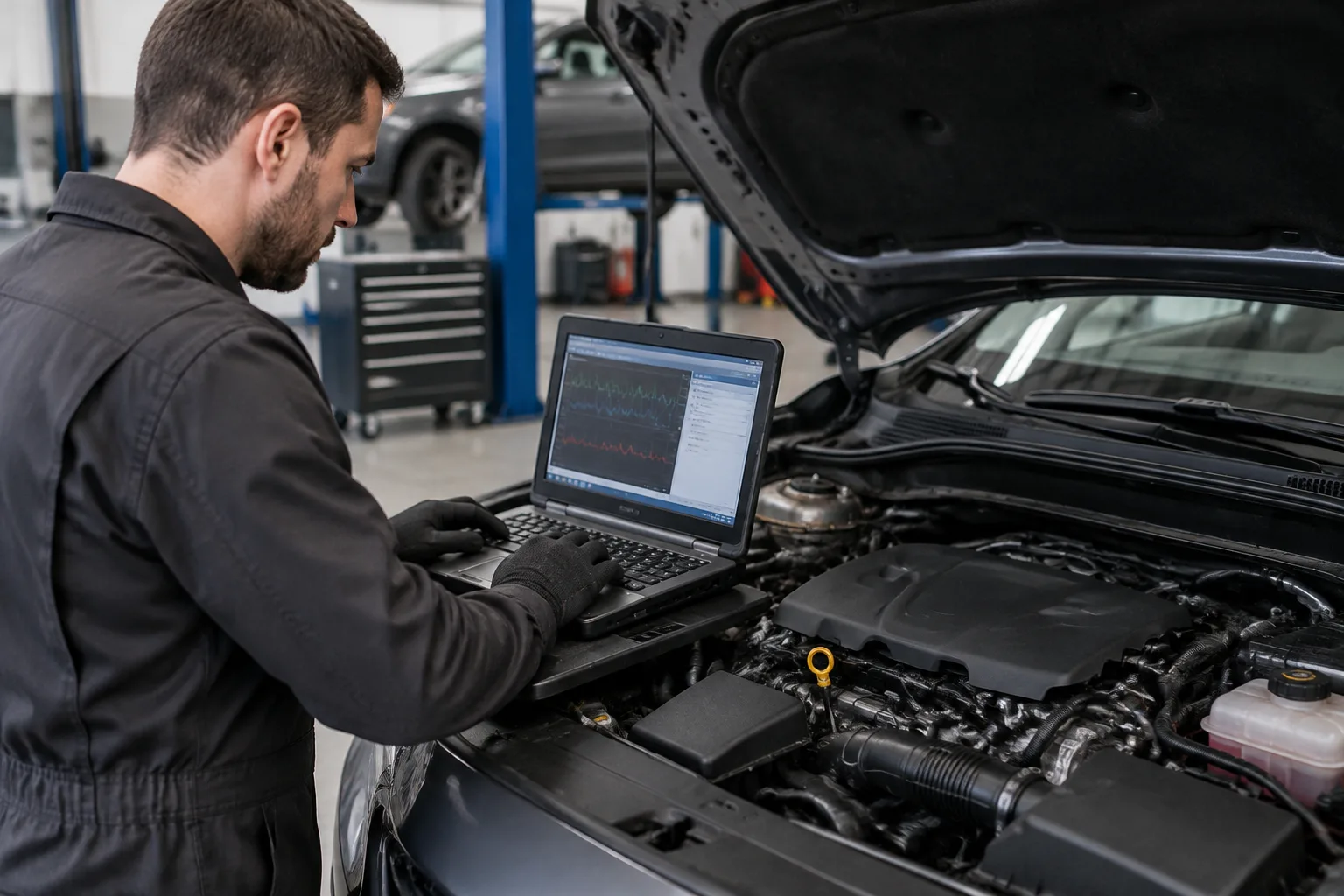
- Coolant Temperature and Thermostat Operation: Use an OBD-II diagnostic scanner to monitor live data of your engine coolant temperature while driving. If it struggles to climb past 70°C, your thermostat likely needs replacement.
- Glow Plugs and Relay Control: While glow plugs primarily assist with cold starts, many modern diesel ECUs continue post-heating cycles to stabilize combustion temperatures immediately after ignition. Faulty glow plugs or a failing control module can lead to rough running and poor exhaust warm-up.
- Differential Pressure Sensor Readings: A diagnostic tool can read the pressure drop across the DPF. If the sensor is reading falsely high due to moisture freezing in the pressure pipes or internal sensor failure, the ECU may block regeneration entirely.
- Battery Health and Charging Systems: Cold weather places a massive strain on vehicle batteries. If battery voltage drops during starting or electrical load, certain auxiliary systems and ECU comfort routines may be restricted. For deeper electrical context during winter, reviewing battery warning light diagnostics highlights how electrical health underpins overall vehicle module stability.
- Fuel Dosing and Injector Performance: Active regeneration relies on precise post-injection of fuel into the cylinders. Worn injectors or failing fuel pressure regulators can disrupt this process.
Preventing Winter DPF Blockages: Practical Steps
If you primarily drive short distances around town, adapting your routine during cold weather can protect your exhaust system:
- Plan Longer Runs: Once a week, take your diesel vehicle for a 20- to 30-minute drive on a faster road (like a dual carriageway or motorway) allowing the engine to run at a steady RPM (around 2,500 RPM) to encourage passive regeneration.
- Address Warning Lights Promptly: Ignoring an amber DPF warning light until it turns red (forcing limp mode) shifts a manageable passive or active regeneration into a costly physical cleaning or replacement job.
- Book Professional Diagnostics: If warning lights persist despite long drives, underlying issues such as EGR valve restrictions or sensor failures may be blocking the regeneration request. Professional ECU diagnostics can read live soot mass values, check regeneration inhibit flags, and pinpoint the exact root cause.
Frequently Asked Questions
Can I force a DPF regeneration manually in cold weather?
Yes, professional diagnostic equipment can command a static (forced) regeneration while the vehicle is stationary in a workshop. The technician will monitor engine parameters closely to ensure exhaust temperatures rise safely without overheating surrounding components.
Will putting fuel additive in my tank help with winter DPF issues?
Fuel additives designed to lower the combustion point of soot can help passive regeneration occur at lower exhaust temperatures. However, additives are a preventative aid; they will not clear an already heavily blocked filter or fix a broken thermostat.
Is it safe to drive with a DPF warning light on in freezing weather?
Driving short distances with an amber warning light briefly is usually safe, but you should aim to get the car up to temperature on an open road as soon as possible. If the red engine management light or limp mode activates, stop driving immediately to prevent severe turbocharger or engine damage.
Experiencing persistent DPF warnings or cold-weather starting issues across Swansea, Neath, Port Talbot, or surrounding South Wales areas? Get in touch with Swansea Remaps for expert mobile diagnostic support and professional ECU troubleshooting.
Results, compatibility and suitable options vary by vehicle, software version, mechanical condition and existing modifications. Always confirm the correct route for your own vehicle before work is carried out.