A vehicle that feels flat through the mid-range, hesitates when pulling a load or drinks more fuel than it should is not always suffering from a mechanical fault. In many cases, the engine is simply operating within a conservative factory calibration. Professional vehicle performance tuning adjusts that calibration to deliver stronger torque, sharper response and more usable power where you actually drive.
For a daily car, a working van or an enthusiast-owned vehicle, the aim should not be peak figures for the sake of a graph. Good tuning improves the way the vehicle behaves on the road: cleaner overtaking, less effort on hills, smoother acceleration and, in the right driving conditions, better fuel economy.
What vehicle performance tuning actually changes
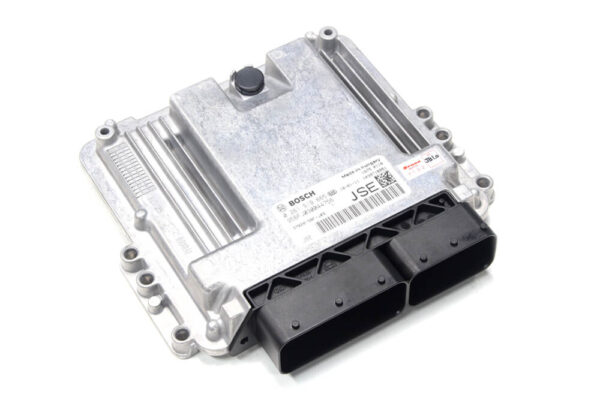
Modern engines are run by an ECU, or engine control unit. This manages key operating parameters including fuelling, boost pressure, ignition timing, throttle response, torque limiters and, on many diesel vehicles, rail pressure. Manufacturers set these parameters to suit a wide range of markets, fuel quality, climate conditions, emissions targets and ownership types.
That broad calibration leaves room for a carefully developed remap. The ECU software is read, assessed and recalibrated around the capability of the specific engine and its standard hardware. On turbocharged petrol and diesel vehicles, the biggest improvement is often torque. That is the pulling force you feel when joining a dual carriageway, climbing an incline with tools in the back or overtaking without constantly changing gear.
A worthwhile remap should feel controlled, not aggressive for the first few seconds and disappointing afterwards. Power delivery needs to remain progressive, with sensible limits in place to protect the engine, turbocharger, clutch, gearbox and drivetrain.
Performance remapping for real-world driving
BHP numbers matter, but torque and drivability are usually what owners notice first. A well-calibrated performance remap can make a vehicle feel lighter and more responsive without changing how easy it is to use every day. The throttle becomes more decisive, the mid-range works harder and the engine does not need to be pushed as far to make useful progress.
This is particularly valuable for diesel cars, vans and pickups. Standard factory maps often limit torque in lower and middle rev ranges to suit broad product positioning. Releasing sensible additional torque can make towing, carrying equipment and motorway driving less demanding.
The right result depends on the vehicle and its condition. A healthy, regularly serviced engine with no underlying fault codes is the correct starting point. Tuning cannot repair a worn clutch, a sticking turbo actuator, an injector issue or a blocked intake system. If a vehicle already has a problem, more torque may expose it sooner.
That is why proper diagnostics are part of responsible vehicle performance tuning. A workshop should check the vehicle before any software work begins, identify stored faults and explain whether the car is suitable for tuning. Skipping this stage may produce a quick result, but it does not produce a dependable one.
Why generic files are a gamble
Two vehicles with the same badge can behave differently. They may have different ECU software versions, mileage, service histories, transmission types or previous modifications. A generic file that is copied blindly across a range may not account for those differences.
A professional process starts by correctly identifying the ECU, reading the original file using genuine, up-to-date equipment and applying a suitable calibration. The original software should be retained, so there is a clear reference point for the vehicle. This is especially relevant when a customer wants a proven upgrade without losing sight of factory data.
Can tuning improve fuel economy?
Fuel economy remapping is often misunderstood. It does not create fuel from nowhere, and it will not cancel out hard acceleration, short journeys or a heavily loaded vehicle. What it can do is improve torque delivery and engine efficiency in the rev range used most often.
When a diesel van produces more torque at lower engine speeds, the driver may need less throttle and fewer downshifts to maintain momentum. On longer runs, that can reduce fuel use while making the vehicle more pleasant to drive. Fleet operators, tradespeople and high-mileage drivers often value this improvement as much as the extra performance.
The result still comes down to use. A driver who uses the additional power at every opportunity will not see the same economy benefit as someone who uses the stronger torque to cruise with less effort. Honest advice should reflect that reality rather than promising the same outcome for every vehicle.
The hardware around the remap matters
ECU tuning works best when the vehicle is mechanically sound and maintained properly. Fresh oil of the correct specification, clean filters, good tyres and a healthy battery all contribute to consistent operation. On higher-mileage vehicles, it is sensible to address known issues before asking the engine to work harder.
Transmission condition also matters. Manual vehicles with an ageing clutch may struggle if torque is increased substantially. Automatic gearboxes have their own torque management strategies and service requirements. A calibration needs to respect those limits rather than chasing a figure that looks impressive but compromises long-term use.
If the vehicle has aftermarket parts, they should be considered as part of the tuning plan. An upgraded intercooler, intake or exhaust does not automatically guarantee a better map, but it can affect how the engine delivers air and manages temperatures. The software should suit the complete vehicle, not a parts list.
Emissions-system issues need a clear approach
DPF, EGR and AdBlue faults can cause reduced power, warning lights and repeated disruption, particularly on vehicles used mainly for short runs. These systems are complex, and the correct first step is diagnosis. A sensor fault, pressure issue, poor regeneration pattern or wiring problem should be identified rather than guessed at.
Some engine-management solutions are available strictly for off-road use only. They are not for use on public roads where doing so would breach legal and emissions requirements. Any owner considering this type of work needs to understand the intended use of the vehicle and the legal boundary before proceeding.
For road-going vehicles, keeping emissions equipment operational and addressing the actual cause of a fault is the sensible route. A professional workshop will be direct about what is suitable, what is not and why.
Choosing a tuning specialist in Swansea
The quality of the workshop matters as much as the claimed gains. Look for a tuner that uses genuine diagnostic and programming equipment, current software and an in-house process that allows the vehicle to be checked properly. You want informed answers about torque limits, engine condition and expected drivability, not vague promises.
At Swansea Remaps, the focus is on measurable, usable improvements backed by proper ECU knowledge and workshop-grade diagnostics. Whether the priority is stronger performance, improved economy or investigating an engine-management concern, the vehicle should be assessed as a complete package.
A good conversation before tuning should cover how the vehicle is used, whether it tows or carries weight, its service history and any warning lights or previous issues. That information helps determine whether a performance-focused calibration, an economy-led remap or fault diagnosis is the right next move.
What to expect after an ECU remap
Once the remap is installed, most drivers notice the difference immediately in the middle of the rev range. The vehicle should pull with more confidence, respond more cleanly and require less effort in normal driving. The improvement should not come with erratic idle, smoke, warning lights or harsh power delivery.
Give yourself a few journeys to understand the new response, particularly in a van or a higher-torque diesel. The extra pulling power may mean you can change gear earlier and use less throttle than before. Continue with the recommended servicing schedule and address warning lights promptly, just as you would on a standard vehicle.
The best vehicle performance tuning makes a vehicle feel like it should have left the factory that way: stronger when needed, calmer in everyday use and better suited to the work you ask of it.
Results, compatibility and suitable options vary by vehicle, software version, mechanical condition and existing modifications. Always confirm the correct route for your own vehicle before work is carried out.