A working van does not need headline-grabbing power figures. It needs to pull cleanly from low revs, stay economical under load and respond when you need to join a fast road or climb a hill. Knowing how to optimise van performance starts with the way the vehicle is used, then builds on a sound mechanical base with the right calibration.
For a trades van, delivery vehicle or small fleet, better performance is usually about making everyday driving easier. More usable torque can mean fewer gearchanges, smoother progress with tools on board and less effort when towing within the vehicle's stated limits. Better efficiency matters too, but it comes from a combination of maintenance, loading, driving habits and correctly developed ECU tuning.
Start with the condition of the van
No remap can compensate for a mechanical fault. If the engine is struggling with airflow, fuel delivery or exhaust after-treatment issues, increasing demand through calibration can expose the problem sooner. A proper health check is the first step before making performance changes.
Diagnostics should look beyond a warning light. Fault codes, live data, boost pressure, fuel pressure, intake readings and DPF soot loading can show whether the engine is operating as it should. A van can feel broadly acceptable while still losing economy and torque through a split boost hose, a sticking EGR valve, a tired sensor or a partially restricted DPF.
Give the basics the attention they deserve. Use the correct oil specification, replace filters at sensible intervals and make sure the coolant system is holding temperature properly. Check for boost leaks, worn vacuum lines and damaged intercooler pipework, particularly on vans that cover high mileage or work on rough sites. A clean, healthy engine provides consistent results and protects the investment made in tuning.
Tyres, brakes and drivetrain matter
Tyre pressures are often overlooked, yet they affect rolling resistance, stability and fuel use every day. Set pressures for the real load the van carries, following the manufacturer's guidance, and inspect tyres for uneven wear. Underinflated tyres make the engine work harder, while incorrect alignment can quietly increase running costs.
Clutch condition also deserves consideration. Extra torque is useful only if the drivetrain can handle it. A clutch already slipping under heavy acceleration or when hauling equipment should be assessed before a torque increase. The same applies to worn engine mounts, driveshafts and dual-mass flywheels. Performance tuning should improve a well-maintained vehicle, not mask the warning signs of wear.
Optimise van performance by managing the load
Every unnecessary kilogram affects acceleration, braking and consumption. Vans naturally collect spare materials, old packaging, unused tools and equipment that only occasionally earns its place. A regular clear-out makes a measurable difference, especially for vans doing stop-start urban work.
Load placement matters as much as load weight. Keep heavier items low and close to the bulkhead where possible, securing everything correctly. This supports safer handling and reduces the unsettled feel that can make a fully loaded van tiring to drive. Roof bars, ladders and roof boxes also create drag, so remove them when they are not required for the job.
If you tow regularly, be realistic about what you need from the van. The goal is not simply maximum power. A torque delivery that is smooth and controlled through the mid-range is generally more useful for pulling a trailer than a sharp, aggressive map that makes traction harder to manage.
Use ECU calibration for usable torque and economy
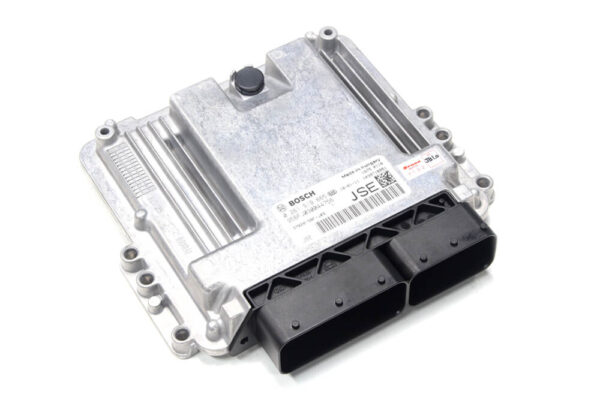
A professional ECU remap adjusts the engine management calibration to make better use of the available engine and turbocharger capability. On many modern diesel vans, the most noticeable change is stronger mid-range torque. That means the van can pull more confidently without needing to be worked as hard through the gears.
The right result is not an indiscriminate increase in every setting. Fuel quantity, boost control, torque limiters, pedal response and protection strategies must be considered together. Generic files and cheap plug-in boxes can produce inconsistent results because they do not properly account for the vehicle's calibration, condition or working role.
At Swansea Remaps, genuine, up-to-date tools and workshop diagnostics support a more precise approach. Before any calibration work, the vehicle should be assessed for faults and suitability. The finished map should suit how the van earns its keep, whether that is loaded local work, motorway mileage, towing or a mix of all three.
Performance maps versus economy maps
A performance remap is a sensible option when the priority is stronger acceleration, more pulling power and improved response under load. It can make a larger diesel van feel less laboured, particularly when joining dual carriageways or tackling steep routes with equipment on board.
An economy-focused calibration is aimed at improving efficiency and drivability rather than chasing the biggest possible figures. It can help the engine produce useful torque earlier, reducing the need for heavy throttle inputs and frequent downshifts. Actual fuel savings depend on route type, payload, traffic, tyre condition and how the van is driven. A van constantly operating at maximum weight will not deliver the same economy gains as one used lightly on longer journeys.
For many owner-drivers, the best option sits between the two: a balanced calibration with a clear increase in usable torque and an emphasis on smooth, efficient cruising. It is the quality and suitability of the file, not the biggest claimed number, that makes the difference over thousands of working miles.
Drive in a way that keeps the gains
A tuned van still responds to the driver. Stronger torque gives you the option to change up earlier and hold a higher gear on moderate inclines, but it does not make full-throttle acceleration economical. Anticipating traffic, leaving space and avoiding unnecessary bursts of speed will do more for fuel use than any single modification.
Allow the engine to warm through before using heavy throttle, especially on cold mornings. After sustained towing, motorway driving or a hard climb, avoid switching off immediately. A brief period of gentler driving helps manage heat through the turbocharger and engine.
For fleet operators, tracking fuel use before and after changes is worthwhile. Compare similar routes, payloads and drivers rather than relying on one tankful. This provides a clearer picture of whether the van is delivering the expected operational benefit and highlights problems such as a binding brake or a driver habit that needs attention.
Keep emissions systems legal and functional
Modern diesel vans rely on DPF, EGR and AdBlue systems to meet emissions requirements. When a fault develops, repeated warning lights, reduced power and failed regeneration can disrupt work. The correct first response is diagnosis, not guesswork.
A blocked DPF may be linked to frequent short journeys, failed sensors, thermostat issues, injector problems or an underlying airflow fault. Replacing parts without identifying the cause can lead to the same problem returning. Road-going vehicles must retain legally required emissions equipment and meet applicable emissions rules. Specialist DPF, EGR and AdBlue modifications may only be appropriate for off-road-only use where lawful, and are not a route to making a road van compliant.
Keeping the system healthy is often practical: give a diesel van suitable longer runs when its duty cycle allows, use the correct low-ash oil and act on faults before they become repeated limp-mode events.
Make changes in the right order
The strongest approach is simple: establish a healthy baseline, reduce unnecessary drag and weight, then choose a calibration designed for the van's actual job. Do not fit performance parts or request aggressive torque increases because they sound impressive on paper. Consider payload, towing, mileage, drivetrain condition and the need for dependable daily operation.
If you modify the ECU calibration, tell your insurer and keep servicing to schedule. A well-set-up van should feel easier to drive rather than dramatically different or temperamental. That is what turns improved performance into a genuine working advantage: a van that pulls cleanly, uses fuel sensibly and is ready for the next job.
Results, compatibility and suitable options vary by vehicle, software version, mechanical condition and existing modifications. Always confirm the correct route for your own vehicle before work is carried out.