A BMW should feel eager when you ask it to move. If yours hesitates before overtaking, runs out of pull in the mid-range or simply feels less responsive than it ought to, a BMW Stage 1 Swansea remap can make a noticeable difference without changing major hardware.
Stage 1 tuning is about making better use of the capability already built into your BMW. From turbocharged petrol models to torque-heavy diesels, the factory ECU calibration often leaves a useful margin in power delivery, throttle response and torque. A correctly developed remap refines those parameters for a stronger, smoother drive that still works for normal roads, school runs, commuting and motorway miles.
What a BMW Stage 1 remap actually changes
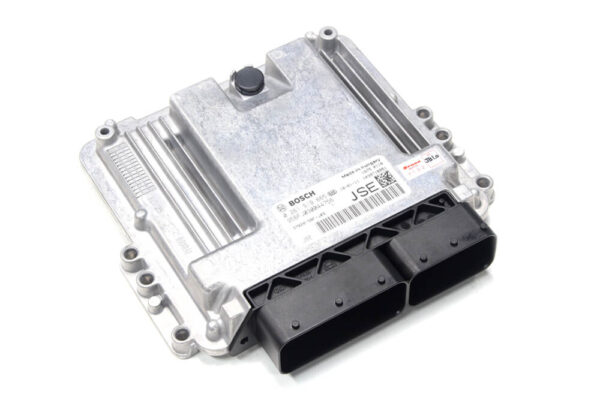
Your BMW's ECU controls far more than peak power. It manages fuel delivery, turbo boost, ignition timing, torque limiters, throttle mapping and, on many models, the way torque is requested through the drivetrain. A Stage 1 calibration adjusts these areas within sensible operating limits for a standard vehicle.
The result is usually felt first in the middle of the rev range. Rather than needing to work the engine hard to make progress, the car pulls more cleanly from lower revs and responds with less delay when you press the accelerator. That matters more in day-to-day driving than a headline figure alone. Joining a dual carriageway, overtaking a slower vehicle or climbing a steep Welsh road should require less effort.
On a turbo diesel BMW, increased torque is often the main attraction. Models such as the 118d, 120d, 320d, 330d, 520d and X3 diesel range can feel considerably stronger through the gears after a suitable remap. Petrol turbo models, including many 20i, 28i, 30i, 35i, 40i and M Performance variants, can also gain sharper response and a broader power band.
Actual gains depend on the exact engine, gearbox, production year, ECU version and current mechanical condition. Two BMWs carrying the same badge can have different software, power outputs and tuning potential. That is why a registration check and vehicle assessment should come before assumptions.
BMW Stage 1 Swansea tuning starts with vehicle condition
A remap is not a substitute for maintenance or diagnostics. If an engine has an active fault, boost leak, worn sensors, injector issue, clutch slip, poor service history or a blocked DPF, adding torque can expose the problem more quickly. The right approach is to identify the cause first, then tune a healthy vehicle.
Before ECU programming, a proper workshop process should include diagnostic checks for stored and pending fault codes, live data where needed, and a review of how the vehicle is performing. This is particularly relevant on BMW diesels with DPF, EGR, boost-control or AdBlue-related warnings. Clearing a warning light without resolving the underlying issue is not a repair.
Swansea Remaps uses genuine, up-to-date tuning hardware, software and diagnostics to read and programme supported BMW ECUs accurately. That workshop-led approach matters because modern BMW engine management is complex. A good file must suit the individual vehicle rather than relying on a generic promise.
The gearbox matters as much as the engine
BMW automatic gearboxes are generally well suited to increased engine torque when the vehicle is in good order, but the transmission remains part of the overall decision. On some applications, gearbox calibration can influence how effectively the vehicle uses the extra torque. Shift timing, torque intervention and kickdown behaviour all affect the way the car feels.
Manual BMWs deserve the same consideration. A clutch that already bites high or slips under heavy acceleration will not improve with more torque. It may be sensible to address wear first, especially on higher-mileage diesel models where Stage 1 torque can be substantial.
The aim is not to chase the biggest possible number. It is to produce a BMW that drives properly, delivers its power cleanly and remains enjoyable every time you use it.
The real-world benefits of Stage 1
A well-calibrated Stage 1 remap tends to improve the parts of driving owners notice most. Throttle response becomes more immediate, acceleration is stronger through the mid-range and the engine can feel less strained during normal progress. Many drivers also find themselves changing down less often because usable torque arrives earlier.
Fuel economy can improve too, particularly on diesel BMWs covering regular motorway or A-road mileage. More low-rev torque means the engine may need less throttle to maintain speed. However, economy is not guaranteed. Use the extra performance frequently and fuel consumption will rise. Driving style, journey length, traffic, tyre pressures and vehicle maintenance all have a greater influence than software alone.
For a 320d owner who covers long distances, the benefit may be easier overtaking and relaxed cruising. For a 330d or 435d owner, it may be a stronger surge of torque that makes the car feel closer to the performance its chassis can handle. For a petrol 340i, the attraction may be faster spool-up and more urgent acceleration without sacrificing normal drivability.
Is Stage 1 right for every BMW?
Not always. A Stage 1 remap is most suitable for owners who want measurable improvements while keeping standard major mechanical components. It is a sensible option when the car is maintained, fault-free and used with realistic expectations.
It may not be the first step if the BMW needs repairs, has warning lights, is consuming excessive oil, has gearbox concerns or has a history of poor servicing. In those cases, spending time on diagnosis and maintenance is the better investment. The same applies where a driver wants extreme output from a platform that needs supporting hardware, cooling upgrades or drivetrain work to handle it properly.
Owners of newer BMWs should also consider manufacturer warranty implications. Any ECU modification may affect warranty cover, and insurers must be informed of vehicle modifications. A remap should be declared accurately. This is straightforward common sense, but it should never be overlooked.
Why generic maps can cause problems
The cheapest or quickest option is not automatically the right one. Generic files can produce a power increase, but they may not account for the exact ECU software, fuel quality, mileage, vehicle condition or intended use. An aggressive torque request may feel impressive initially while placing unnecessary stress on a tired clutch, ageing turbo system or transmission.
A quality Stage 1 file focuses on controlled delivery. Smooth torque is usually more useful than a sudden spike, especially in a rear-wheel-drive BMW where traction can be limited in wet conditions. The car should feel more capable, not awkward or unpredictable.
It is also worth being wary of unrealistic figures. Published gains are indicative, not a guarantee for every car. Environmental conditions, fuel, component health and rolling-road methodology all affect measured output. The driving result and the condition of the vehicle matter more than an inflated claim.
Choosing the right BMW remap in Swansea
If you are considering a Stage 1 remap, arrive with a clear idea of what you want from the vehicle. More overtaking performance, better towing ability, stronger low-end pull or improved motorway economy can all shape the right calibration. A diesel estate used for work has different priorities from a weekend petrol coupe.
Ask whether the workshop checks vehicle health before programming, uses proper diagnostics and works with current genuine equipment. You should also expect clear advice if tuning is not appropriate at that point. A professional service is not just about loading software. It is about understanding the engine, the drivetrain and the way you use the car.
For BMW owners across Swansea, Neath, Bridgend, Llanelli and Carmarthenshire, having that assessment carried out locally makes it easier to deal with the vehicle properly rather than relying on guesswork.
Frequently asked questions
Will a Stage 1 remap damage my BMW?
A sensible Stage 1 calibration on a well-maintained BMW is designed to work within appropriate limits. No modification removes the need for servicing, and existing weaknesses such as clutch wear, boost leaks or DPF faults should be resolved before tuning.
Can a Stage 1 remap improve fuel economy?
It can, especially on diesel models driven steadily over longer distances. The improvement comes from increased usable torque and reduced throttle demand, not from a guarantee of lower consumption. Harder driving will use more fuel.
Can I return the BMW to standard software?
Many supported vehicles can be returned to their original calibration where appropriate. This should be discussed for the specific ECU and vehicle before any work is carried out.
A BMW Stage 1 remap should make the car feel like a better version of itself: stronger when you need it, smoother through the gears and more satisfying on every drive. Start with a proper health check, be realistic about the condition of the vehicle, and choose calibration quality over exaggerated claims.
Results, compatibility and suitable options vary by vehicle, software version, mechanical condition and existing modifications. Always confirm the correct route for your own vehicle before work is carried out.