An AdBlue warning can turn a perfectly usable diesel into a vehicle with a countdown on the dash, reduced power and the risk of a no-start condition. The right answer is not always obvious. AdBlue repair vs software solution comes down to the fault itself, how the vehicle is used and whether it remains on public roads.
For road-going cars, vans and fleet vehicles, repairing the AdBlue system is normally the correct route. It keeps the emissions equipment operating as designed and protects legal road use. A software solution has a different place: it is for off-road-only vehicles where the emissions system is no longer required for road compliance. Treating the two options as interchangeable is where costly mistakes begin.
AdBlue repair vs software solution: the key difference
An AdBlue repair restores the Selective Catalytic Reduction system, often called SCR, to working order. The system injects diesel exhaust fluid into the exhaust stream to reduce harmful nitrogen oxide emissions. Modern Euro 6 diesels rely on it heavily, which is why a relatively small fault can trigger serious warnings.
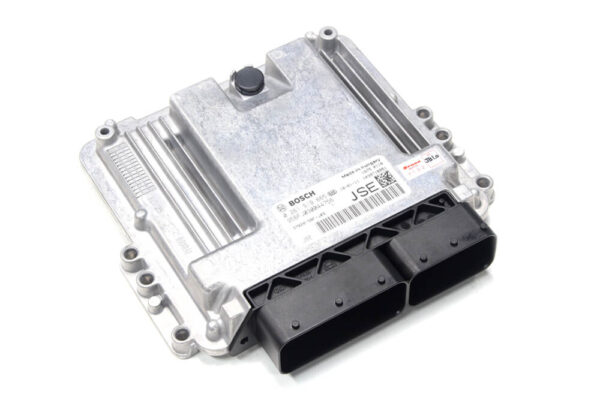
A software solution changes the ECU calibration so it no longer monitors or commands the AdBlue system in the usual way. This may remove related fault handling and start-prevention strategies, but it does not physically fix a defective tank, pump, injector, heater or sensor.
That distinction matters. A repair is a road-use solution designed to retain the vehicle's original emissions operation. Software changes are only suitable for vehicles used exclusively off road, such as certain competition, agricultural or private-land applications. Removing or disabling emissions control equipment on a vehicle used on public roads is not legal and can create MOT, insurance and enforcement issues.
Why AdBlue faults are often misdiagnosed
The dashboard message rarely tells the full story. “AdBlue system fault”, “emissions fault” or “engine will not restart” can be caused by several components, and fitting parts based on a generic code is not a proper diagnosis.
Common causes include a failed NOx sensor, crystallised injector, poor-quality or contaminated fluid, a blocked injector pipe, a tank heater issue, wiring damage, low pressure from the dosing pump or an internal fault in the AdBlue tank assembly. On some vehicles, the level sensor and pump are integrated into the tank, making diagnosis even more important before work begins.
The fault can also be outside the AdBlue system itself. Exhaust leaks, DPF loading, temperature sensor faults and engine-management issues can affect SCR performance and trigger similar warnings. Clearing codes may make the message disappear temporarily, but if live data still shows implausible pressure, temperature, NOx readings or dosing values, the warning will return.
A proper inspection should include manufacturer-level diagnostics, a full fault-code scan, live data checks, wiring assessment and confirmation that the system can prime and dose correctly. The vehicle needs to be assessed as a system, not treated as a single dashboard message.
When repair is the right choice
If your car, van or pickup is driven on UK roads, repair is the sensible and compliant option. This is especially true for working vehicles that need predictable uptime, documented servicing and no surprises at MOT time.
A successful repair addresses the cause rather than just suppressing its symptoms. Replacing a failed sensor, restoring a damaged loom, cleaning a crystallised injector or correcting a dosing fault can return the system to normal operation. Once repaired and correctly reset, the vehicle can continue to meet the emissions standard it was built to achieve.
Repair is also the better route when the fault is isolated and the rest of the system is healthy. A single faulty NOx sensor does not automatically mean the whole AdBlue tank needs attention. Equally, a stored low-quality-fluid code may need more than fresh fluid if crystallisation has already restricted the injector or damaged a component.
For fleet users and tradespeople, the priority is usually dependable operation. A well-diagnosed repair supports that goal. It prevents no-start countdowns, avoids repeated warning lights and keeps the vehicle suitable for its intended daily work.
Do not ignore the restart countdown
Many AdBlue-equipped diesels will display a mileage countdown after a serious SCR fault. Once it reaches zero, the engine may not restart, even if it is otherwise mechanically sound. This catches owners out because the vehicle may still drive normally at first.
Do not wait for the final miles. Early diagnostics give more scope to identify whether the issue is a sensor, injector, pressure fault or tank problem. They also reduce the chance of the vehicle becoming stranded when it is needed for work.
When an off-road software solution may be considered
An AdBlue software solution can be relevant where a vehicle is genuinely and permanently restricted to off-road use. That is not a loophole for a road vehicle that is only occasionally used away from the road. The vehicle must not be driven or used on public roads after emissions-system changes.
Examples may include a dedicated competition vehicle, specialist private-site machinery based on a road-derived engine, or certain export and non-road applications where the owner understands the operating restrictions. The application must be assessed carefully, because vehicle use, registration status and local requirements all matter.
For these cases, the ECU file must be produced correctly and matched to the specific control unit and software version. A poor file can leave warning lights, create drivability issues, cause communication faults or interfere with other engine-management functions. It is not simply a case of deleting a code.
At Swansea Remaps, specialist ECU work is handled with genuine, up-to-date hardware and software, with the vehicle's existing calibration and diagnostic state considered before any off-road-only file solution is applied. That approach is essential where engine management has multiple linked emissions functions.
What software cannot fix
Software does not repair physical damage. A leaking AdBlue injector can still crystallise externally. A damaged wiring loom can still cause electrical issues. A failed tank heater may still affect components around it, and contaminated fluid can still leave residue in pipes and injectors.
This is particularly relevant when a vehicle has several faults. If the ECU has reported AdBlue issues alongside DPF, boost-control or temperature-sensor faults, changing one area of the calibration is not a substitute for getting the vehicle mechanically sound. A good workshop will be direct about this rather than promising a one-file cure for every warning light.
It also cannot turn an unsuitable road vehicle into a compliant one. If public-road use is part of the plan, the AdBlue system should be repaired and kept operational.
Choosing the right route for your vehicle
Start with the use case, then diagnose the fault. If the vehicle operates on the road, pursue an accurate repair. Ask for the underlying fault to be identified, not simply cleared, and make sure any start-prevention counter is dealt with correctly once the repair is complete.
If it is a true off-road-only vehicle, discuss the intended application honestly before considering an ECU solution. Be clear about whether it is registered, insured, transported to site or ever used on a public highway. Those details determine whether an off-road file is appropriate.
The vehicle's age and condition also matter. A newer diesel with one confirmed sensor fault may be straightforward to repair. An older high-mileage workhorse with recurring SCR faults, damaged components and a permanent non-road role may call for a different conversation. There is no sensible one-size-fits-all answer.
A fault code is the start, not the verdict
AdBlue systems are complicated enough without guesswork. The fastest route to a dependable result is to establish what has failed, how the vehicle is used and what outcome you need from it. Repair the system when the vehicle belongs on the road. Consider software only where off-road use is genuine, permanent and fully understood.
That clear distinction protects the vehicle, avoids wasted work and gives you a solution that matches the job it actually has to do.
Results, compatibility and suitable options vary by vehicle, software version, mechanical condition and existing modifications. Always confirm the correct route for your own vehicle before work is carried out.